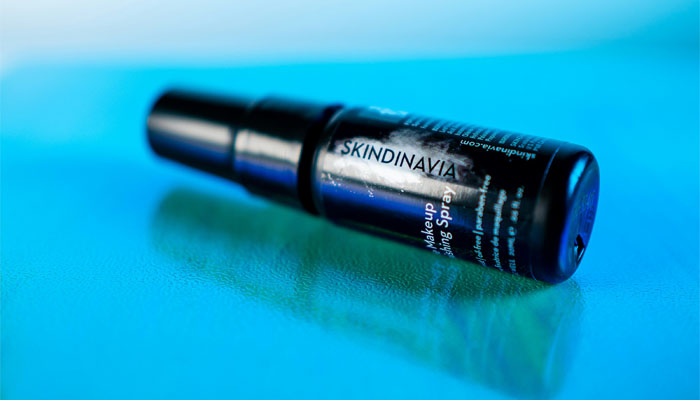
Selecting the right label material for cosmetics is a complex technical decision involving substrate compatibility, environmental resistance, regulatory compliance, and brand presentation. Cosmetic packaging often faces exposure to oils, alcohol, moisture, UV light, and frequent handling, making material selection critical for durability and compliance.
This guide provides a structured, expert-level framework to help you evaluate cosmetic label materials based on performance, risk factors, and application-specific conditions—without relying on trial-and-error.
cosmetic label
Understanding Cosmetic Label Requirements
Cosmetic labels must balance aesthetics with durability while meeting regulatory standards. Unlike industrial labeling, cosmetics require high visual quality alongside resistance to oils, solvents, and repeated handling.
Transparency or “no-label look” for premium packaging
Compatibility with embossing, foiling, and varnishes
Key Material Categories for Cosmetic Labels
Film-Based Materials (Synthetic Substrates)
Film materials such as polypropylene (PP), polyethylene (PE), and polyester (PET) offer high durability and chemical resistance. BOPP (biaxially oriented polypropylene) is widely used due to its balance of clarity, strength, and cost efficiency.
Typical thickness ranges from 1.6–3.0 mil. These materials maintain dimensional stability under temperature fluctuations and resist water and oils effectively.
Paper-Based Materials
Paper labels, including coated and uncoated variants, are often used for dry cosmetic products. While they offer excellent printability and lower cost, they are vulnerable to moisture and chemical exposure unless laminated or varnished.
Specialty Materials
These include textured papers, metallized films, and biodegradable substrates. While visually distinctive, they often require careful compatibility testing with adhesives and inks.
Critical Selection Criteria (Advanced Framework)
1. Chemical Exposure Profile
Evaluate exposure to ingredients such as ethanol, essential oils, glycerin, and surfactants. For example, alcohol concentrations above 60% can degrade standard adhesives and inks, requiring solvent-resistant facestocks and UV-cured inks.
2. Container Surface Energy
Surface energy (measured in dynes/cm) determines adhesion performance. Materials like HDPE and PP containers have low surface energy (~30–34 dynes/cm), requiring specially formulated adhesives.
3. Mechanical Stress and Handling
Products frequently handled—such as lotions or shampoos—require abrasion-resistant coatings and flexible materials to prevent edge lifting or cracking.
4. Environmental Conditions
Consider storage and usage environments:
Bathroom humidity (up to 90% RH)
Temperature range: 32°F to 120°F (0°C to 49°C)
UV exposure for retail display
5. Print Technology Compatibility
Different materials interact differently with printing technologies. For example, UV inkjet adheres well to films, while water-based flexo inks perform better on coated papers.
Adhesive Systems and Surface Compatibility
Permanent Acrylic Adhesives
Common in cosmetics due to their resistance to UV, oxidation, and moderate chemicals. Suitable for glass and high-energy surfaces.
Rubber-Based Adhesives
Offer high initial tack and perform well on low-energy plastics but have lower resistance to heat and UV degradation.
Specialty Adhesives
Includes removable, repositionable, and solvent-resistant adhesives. These are critical for niche applications such as refillable containers.
Environmental and Chemical Resistance Factors
Moisture Resistance
Film materials provide near-zero water absorption, while paper absorbs moisture unless sealed. Laminates (e.g., PET overlaminate) improve resistance.
Chemical Resistance
Testing protocols often include exposure to isopropyl alcohol (IPA), oils, and detergents. Labels should maintain legibility after 24-hour exposure cycles.
UV Stability
UV inhibitors in facestock and inks prevent fading. This is critical for products displayed under retail lighting for extended periods.
Regulatory and Compliance Considerations
Cosmetic labels must comply with multiple regulations depending on market:
FDA 21 CFR Part 701 – Cosmetic labeling requirements (USA)
EU Regulation (EC) No 1223/2009 – EU cosmetics regulation
Labels must remain legible throughout the product lifecycle. Ink and substrate selection directly impacts compliance risk.
Comparison Table: Material Performance Matrix
Material Type
Chemical Resistance
Moisture Resistance
Print Quality
Cost Level
BOPP Film
High
Excellent
High
Medium
PET Film
Very High
Excellent
High
High
Coated Paper
Low
Low
Excellent
Low
PE Film
Medium
Excellent
Moderate
Medium
Common Mistakes and Failure Modes
Using paper labels on oil-based products without lamination
Ignoring container surface energy leading to adhesion failure
Underestimating chemical exposure during product use
Choosing aesthetics over durability for high-contact products
Skipping real-world testing (wipe, abrasion, chemical exposure)
Manufacturers with experience in pressure-sensitive materials, such as Vizlent, often emphasize that most label failures occur due to mismatched adhesive-substrate combinations rather than facestock issues.
Choosing the right label material for cosmetics requires balancing performance, compliance, and aesthetics through a structured evaluation process. Subtle differences in materials and adhesives can significantly impact product quality and brand perception.
Hi, I'm Andy Qiu,General Manager at VIZLENT. With over 15 years of experience in specialty label materials, I've worked with engineers and buyers across automotive, electrical, agriculture, medical, and chemical industries to solve real-world labeling challenges — from high-temperature and chemical-resistant constructions to UV-durable and compliance-driven solutions. If you have questions about material selection or product specifications, feel free to reach out — we're happy to support your next project with a technical consultation or sample request. Let's connect!