
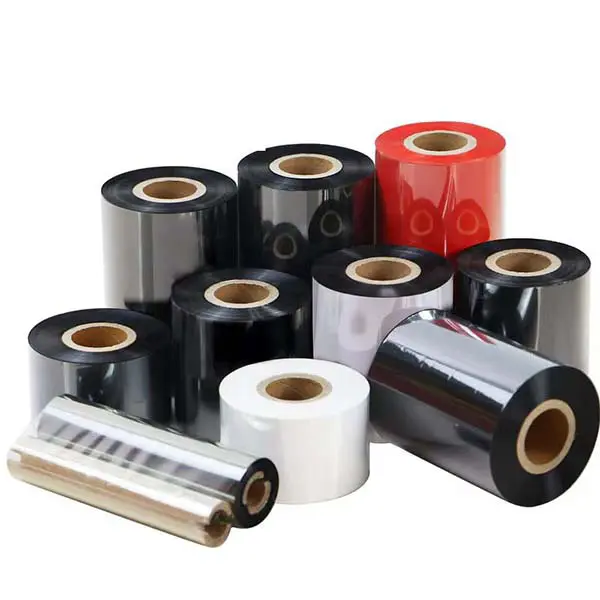
Key Characteristics and Performance Metrics
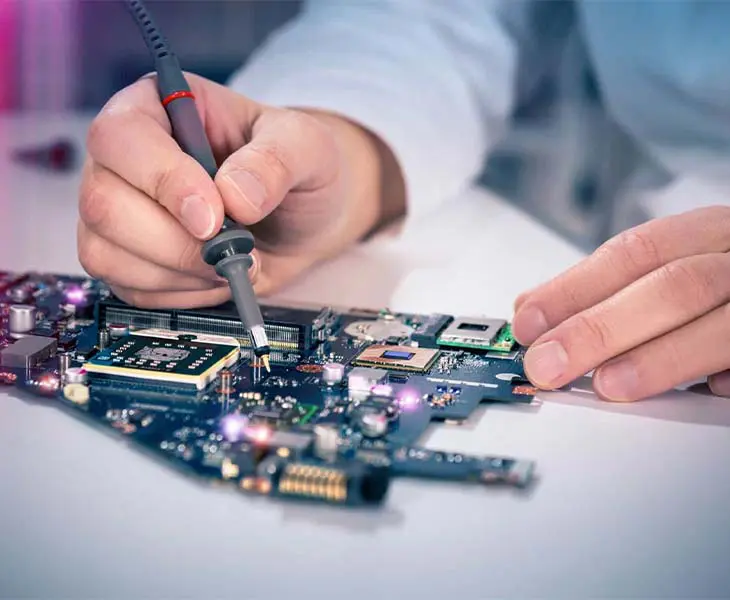
The defining characteristic of an industrial polyimide barcode ribbon is its extreme thermal stability. Applications such as surface mount technology (SMT) processes subject printed circuit boards—and their attached tracking labels—to infrared reflow ovens where ambient temperatures frequently peak at 260°C (500°F) to 300°C (572°F) for several minutes. Our high temperature ribbon formulations are engineered to maintain complete structural integrity under these conditions. The ink will not remelt, smear, or off-gas, ensuring that critical 2D matrix codes retain superior high-density barcode sharpness necessary for automated optical inspection (AOI) scanners.
Furthermore, extreme heat is rarely the sole environmental stressor in electronics manufacturing services. Following the soldering phase, printed circuit boards undergo rigorous cleaning to remove residual solder paste and flux. Therefore, a premium high temperature ribbon must exhibit aggressive flux and chemical wash resistance. The chemically bonded super-resin ink resists highly caustic saponifiers, defluxing solvents, and prolonged ultrasonic cleaning baths. This combination of thermal and chemical-resistant properties guarantees continuous inventory management and component traceability throughout the entire manufacturing lifecycle.
Technical Specifications and Compliance Protocols
Specifying the correct high temperature ribbon demands a rigorous analysis of technical parameters and material compatibility. Utilizing an incorrect formulation or incompatible substrate will inevitably lead to systemic labeling failures during high-heat processing. Below is a comparative technical breakdown of our heat resistant thermal ribbon formulations to assist procurement engineers in selecting the optimal consumable.
| Specification Metric | Standard High-Heat Resin | Polyimide (PCB) Tracking Resin | ESD-Safe Anti-Static Resin |
|---|---|---|---|
| Base Film Thickness | 4.5 μm PET | 5.0 μm – 5.7 μm PET | 4.5 μm PET + Conductive Layer |
| Melting Point | > 90°C | > 110°C | > 100°C |
| Max Heat Resistance | 200°C (392°F) | 300°C (572°F) | 260°C (500°F) |
| Substrate Compatibility | High-Temp PET, PVC | Polyimide (Kapton) | Polyimide, Anti-Static PET |
| Primary Feature | Continuous Heat Exposure | Reflow/Wave Soldering | Electrostatic Discharge Protection |
Material Performance Standards and Testing
Our high temperature ribbon portfolio is subjected to exhaustive laboratory validation to guarantee uncompromising performance in harsh environments. We measure the tensile strength and elongation parameters of the PET base film to ensure it handles the rigorous torque of industrial 600 DPI printers without stretching or tearing. Peel strength and shear resistance testing are conducted post-printing to verify that the permanent polyimide adhesion remains intact even when subjected to extreme mechanical abrasion and thermal cycling.
To validate chemical-resistant properties, printed polyimide samples undergo severe immersion testing. We expose the labels to standard industry defluxers, aggressive saponifiers, IPA (Isopropyl Alcohol), and Kyzen cleaning agents. A premium extreme temperature barcode ribbon must maintain a perfectly scannable image and show zero signs of ink dissolution or smearing after extended ultrasonic cleaning cycles. These strict testing methodologies ensure our ribbons exceed the performance standards required by tier-one electronics manufacturers.
Global Certifications and Regulatory Compliance
In critical industrial sectors, utilizing certified materials is a mandatory legal requirement to avoid severe compliance penalties. VIZLENT’s specialized thermal transfer consumables are engineered to support fully certified safety identification systems. When paired with approved high-temperature substrates, our high temperature ribbon formulations are UL 969 Recognized, certifying their performance and durability for indoor and outdoor labeling systems across North America. We also support strict OSHA and ANSI compliance for hazardous environmental warnings.
Furthermore, our manufacturing operations and chemical formulations adhere strictly to global environmental directives. The ultra-durable specialized super-resin ink is entirely RoHS compliant, REACH certified, and Halogen-free, guaranteeing the absence of restricted heavy metals and hazardous flame retardants. For semiconductor traceability applications, our anti-static thermal ribbon is rigorously tested to meet ESD-safe compliant standards, aligning with IEC compliance protocols for electronic component handling. With 15+ years of manufacturing experience and an ISO 9001:2015 certified facility, VIZLENT provides complete regulatory peace of mind.
How the Specialized Thermal Transfer Process Works
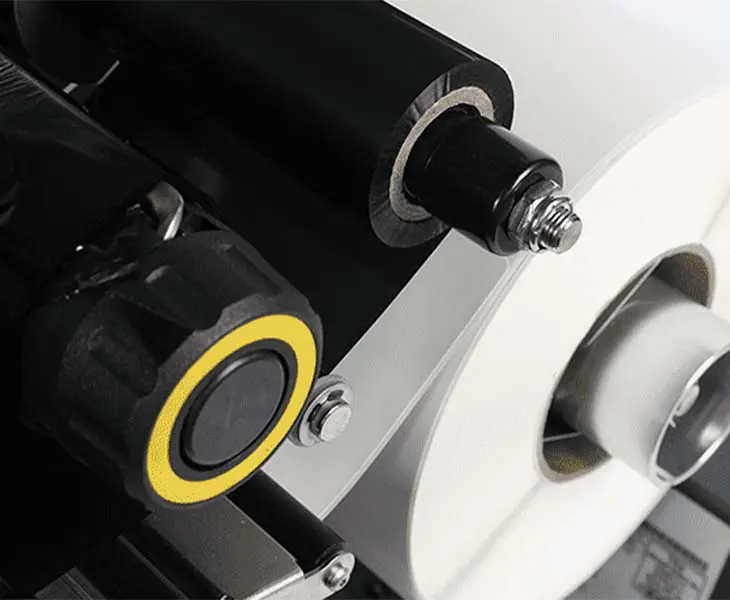
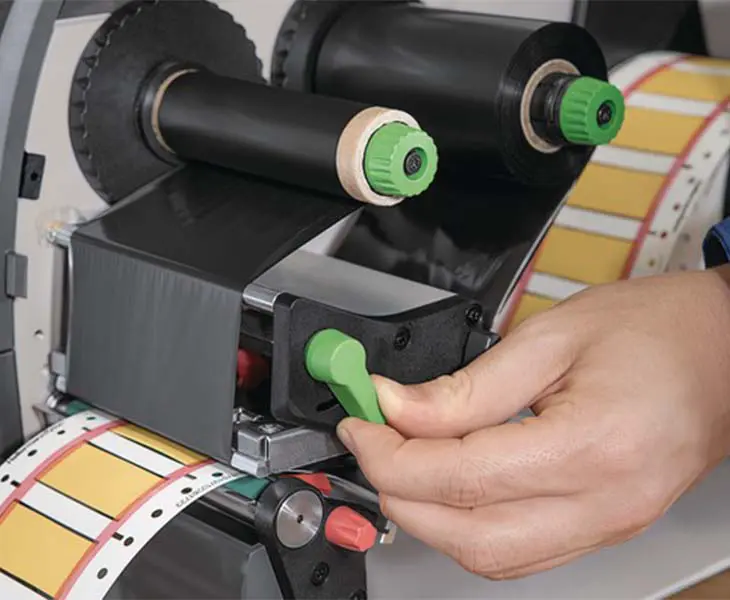
- The operational physics of printing with a high heat resin ribbon requires highly calibrated hardware settings. Because the specialized super-resin ink possesses a >110°C high melting point, the industrial barcode printer must be configured to deliver maximum printhead energy. As the ribbon and the polyimide (Kapton) label substrate pass beneath the thermal printhead, the microscopic heating elements pulse with intense thermal energy, rapidly conducting heat through the PET base film to instantly liquefy the resin polymers.
- Upon reaching its molten state, mechanical pressure from the printer’s platen roller forces the ink into contact with the synthetic substrate. For successful permanent polyimide adhesion, the surface energy of the label’s top-coating must chemically align with the ribbon’s resin formulation. The polymers cross-link instantaneously as they exit the heated print zone, solidifying into an ultra-durable, highly dense image. This molecular bonding process is what gives the extreme temperature barcode ribbon its legendary durability, ensuring precise edge definition and absolute data retention for critical semiconductor traceability applications.
How to Choose the Right High Temperature Ribbon
- Verify Substrate and Adhesive Compatibility: High heat resin ribbon formulations will only bond with specific synthetic materials. Confirm whether your label face stock is high-temperature Polyester (PET) or Polyimide (Kapton). The specialized super-resin ink relies on a chemical reaction with the substrate’s top-coating; utilizing an incorrect material will prevent permanent polyimide adhesion and result in immediate ink flaking.
- Analyze Thermal and Chemical Stressors: Define the absolute maximum temperature the printed label will encounter. If the label must endure wave soldering processes reaching 300°C (572°F), a standard resin ribbon will fail; you must specify an ultra-high temperature PCB tracking ribbon. Additionally, evaluate the post-solder chemical wash process to ensure the chosen ribbon possesses the necessary aggressive flux and chemical wash resistance.
- Evaluate Printhead Capabilities: Industrial ribbons with a >110°C high melting point require maximum printhead energy. Ensure your thermal transfer printer is capable of delivering this extreme heat output without constantly triggering thermal fault codes or prematurely burning out the piezoelectric elements. Verify whether your printer utilizes a flat-head or near-edge printhead, as the ribbon’s release layer chemistry must match the hardware configuration.
Applications and Industries for Heat Resistant Thermal Ribbon
The integration of highly engineered high temperature ribbon technology is non-negotiable within industrial sectors governed by strict traceability mandates and unforgiving operational environments. Any failure in the label’s legibility can result in catastrophic safety failures, severe regulatory fines, or massive product recalls. VIZLENT provides specialized ink formulations customized for the precise regulatory demands of these mission-critical industrial verticals.

Electronics Manufacturing Services (EMS) and PCB Fabrication:
Aerospace, Defense, and Automotive Engineering:
In automotive engineering, modern vehicles incorporate thousands of electronic control units (ECUs) and sensors. Automotive under-hood labeling relies on the extreme temperature barcode ribbon to provide vital diagnostic information, warning labels, and VIN numbers. These labels are subjected to continuous vibration, high-pressure steam cleaning, and the intense heat generated by modern forced-induction engines. A VIZLENT high temperature ribbon guarantees that these safety identification marks remain securely bonded and fully legible, protecting manufacturers from warranty disputes and ensuring mechanics have immediate access to accurate service data.
Frequently Asked Questions
A high temperature ribbon utilizes an ultra-durable specialized super-resin ink with a significantly higher melting point (>110°C) than standard resin. This specialized chemistry allows it to chemically bond with polyimide substrates, enabling it to withstand 300°C reflow soldering and highly aggressive chemical defluxing washes without degrading or smearing.
No, a heat resistant thermal ribbon is exclusively engineered to bond with smooth, non-porous synthetic substrates like high-temperature PET and Polyimide (Kapton). Attempting to print on uncoated or standard coated paper will result in poor ink transfer, immediate flaking, and complete failure of the labeling system.
We also know that predictable supply chains are very important to B2B distributors. Conventional MOQs are based on the type of order, either the standard inventory or die-cut magnetic stock but we always provide competitive tier prices with bulk orders. Standard turnaround time is very efficient- contact our sales team with your order quantity needs to have a precise production plan.
Yes, when properly matched and fused with a compatible polyimide substrate using maximum printhead energy, the printed image forms a permanent molecular bond. This extreme temperature barcode ribbon formulation exhibits aggressive flux and chemical wash resistance, maintaining high-density barcode sharpness even after prolonged exposure to ultrasonic cleaning baths and caustic saponifiers.
To achieve superior high-density barcode sharpness, utilize a 600 DPI industrial printer paired with an ultra-smooth polyimide substrate. Ensure your printhead heat is set to the maximum recommended level for the high heat resin ribbon, and significantly reduce your print speed. This allows the super-resin ink to transfer and cross-link perfectly, eliminating edge bleeding.

