
Key Characteristics
The primary distinguishing characteristic of Low Temperature Labels is their exceptional longevity across severe temperature gradients. Beyond raw cold resistance, these labels exhibit superior tensile strength and peel strength, ensuring they remain securely affixed during mechanical handling in densely packed freezer boxes.
They are formulated to be weatherproof, moisture-resistant, and chemically inert, effectively repelling condensation, laboratory solvents, and sanitation chemicals without compromising vital safety identification data.
Technical Specifications and Compliance
Evaluating and sourcing Low Temperature Labels requires a rigorous technical analysis of their specifications and how those metrics align with international compliance standards. Procurement managers must analyze temperature range capabilities, substrate durability, and adhesive performance to guarantee operational success.
| Substrate Material | Minimum Temperature Resistance | Adhesive Performance | Primary Industrial Application | Print Method Compatibility |
|---|---|---|---|---|
| Polypropylene (PP) Film | -196°C (-320°F) | Aggressive (Adheres to frosted glass/plastic) | Liquid Nitrogen Storage, Biobanking | Resin Thermal Transfer |
| Polyester (PET) Film | -80°C (-112°F) | High (Resists moisture and chemicals) | ULT Freezers, Laboratory Vials | Thermal Transfer, Laser |
| Flexible Vinyl (PVC) | -40°C (-40°F) | Excellent (Conforms to tight radii) | Blood Bags, Plasma Storage | Thermal Transfer |
| Specialty Coated Paper | -20°C (-4°F) | Standard Cold-Temp (Adheres to cardboard) | Cold Chain Logistics, Food Processing | Direct Thermal, Digital Printing |
Performance Standards and Testing
VIZLENT manufactures its Low Temperature Labels utilizing exhaustive laboratory testing methodologies to guarantee unmatched performance. Critical metrics such as tensile strength (ASTM D882) and 180-degree peel strength (ASTM D3330) are measured rigorously before and after extreme thermal aging. Additionally, we conduct simulated freeze-thaw cycle testing to ensure the face stock resists delamination and the adhesive maintains its structural integrity. These procedures ensure our labels deliver an extended service life in the most demanding environments.
Certifications and Regulatory Compliance
Industrial and clinical applications consistently mandate strict adherence to global safety and environmental protocols. VIZLENT’s Low Temperature Labels are meticulously designed to meet or exceed critical industry certifications. Our specialized materials are fully RoHS Compliant and REACH Compliant, guaranteeing they are free from restricted heavy metals and hazardous chemical substances. For clinical and laboratory research settings, our products are GLP (Good Laboratory Practice) compatible. Furthermore, our manufacturing facility operates under strict ISO 9001 quality management systems, ensuring consistent product reliability that supports overarching OSHA, ANSI, CSA, and IEC compliance initiatives.
Types and Variations of Low Temperature Labels
Selecting the optimal labeling solution requires matching the specific substrate and adhesive combination to the exact environmental hazards of the intended application. VIZLENT manufactures a comprehensive portfolio of Low Temperature Labels, each precisely engineered for distinct storage protocols, temperature ranges, and longevity requirements.
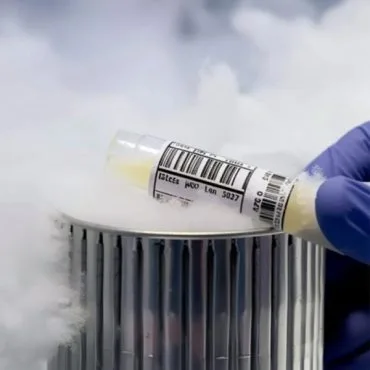
Vizlent ultra low temperature resistant cryogenic labels: -196°C rated, secure cryovial adhesion, smudge-proof print for biobank and lab sample tracking.
Vizlent ultra low temperature durable cryo labels: -196°C rated, tear-resistant face stock, secure adhesion on cryovials for biobank and life science use.
Vizlent ultra low temperature thermal transfer labels for metal surface: -196°C rated, strong steel adhesion, smudge-proof print for cryo racks and canisters.
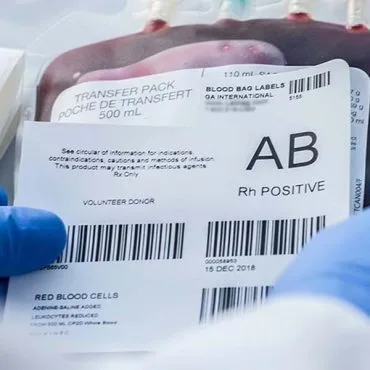
Vizlent waterproof low temperature resistant medical hospital blood bag labels: durable adhesion on PVC, frost-proof print, ISBT 128 ready for blood banks.
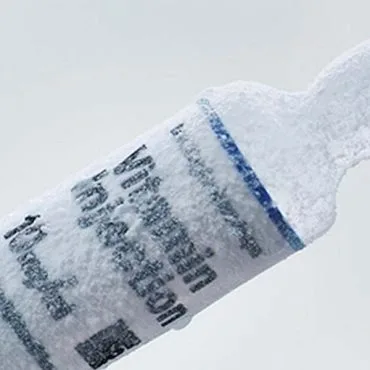
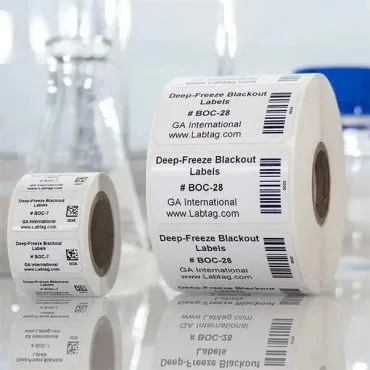
Deep-freeze labels for ultra-low temperature laboratory freezers by Vizlent. Withstand -196°C, strong adhesion, smudge-proof print for ULT and LN2 storage.
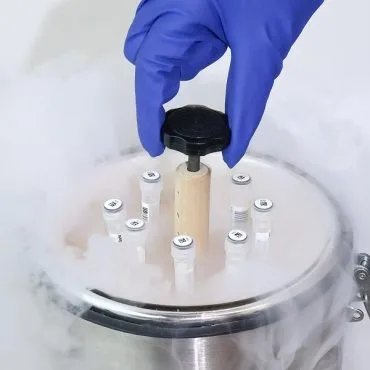
Freeze-refrigerated labels by Vizlent: low temperature resistant laboratory labels with strong adhesion, frost-proof print clarity for vials, tubes, and storage.
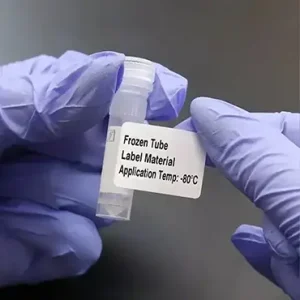
Cryogenic Vial Labels Secure your most critical biological samples with VIZLENT cryogenic vial labels, engineered specifically for ultra-low temperature storage and harsh laboratory environments. Whether subjected to multiple freeze-thaw cycles, boiling water baths, or harsh laboratory chemicals like DMSO and ethanol, our labels ensure your crucial data remains legible and intact. Optimized for high-resolution thermal […]
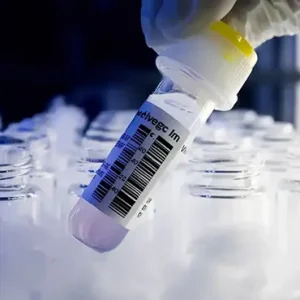
Medical Cryogenic Label Ensure absolute chain of custody for your most critical patient specimens with VIZLENT medical cryogenic labels. Engineered specifically for clinical laboratories, biobanks, and reproductive clinics, these medical-grade labels guarantee that patient identifiers remain permanently attached and flawlessly legible, even in the most extreme conditions. Trust in secure, error-free specimen tracking from initial […]
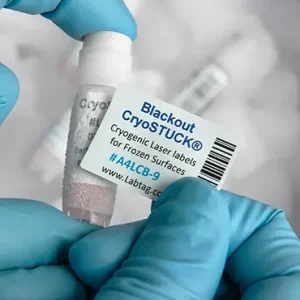
Cryogenic Storage Labels Safeguard your irreplaceable biological samples and ensure flawless traceability with VIZLENT Cryogenic Storage Labels. Engineered specifically for the rigorous demands of biobanking, clinical research, and genomics, these high-performance labels thrive where standard adhesives freeze and shatter. Optimized for thermal transfer printers, VIZLENT guarantees your high-density barcodes and critical patient data remain razor-sharp, […]
Applications and Industries for Low Temperature Labels
Because deep freeze environments vary significantly in their operational demands, Low Temperature Labels must be tailored to solve specific identification challenges across multiple global sectors. By preserving data integrity through harsh thermal transitions, these specialized labels enable seamless asset tracking, efficient inventory management, and strict regulatory adherence.
Low Temperature Labels applied to microcentrifuge tubes, cryovials, and freezer boxes must survive indefinite storage in liquid nitrogen. VIZLENT’s cryogenic tags maintain perfect barcode scannability post-thaw, preventing tracking failures and ensuring full traceability for blood bank and plasma storage, stem cell repositories, and critical pharmaceutical vaccine distribution.

Low Temperature Labels used in this sector must securely adhere to waxed cartons, shrink-wrapped pallets, and damp packaging materials. Furthermore, labels utilized near consumable goods must meet specific regulatory requirements. Our highly engineered substrates and adhesives are FDA Compliant for indirect food contact, ensuring absolute safety while maintaining rigorous inventory control.

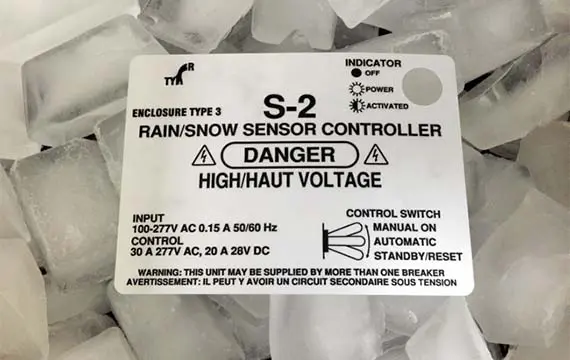
Logistics labels must endure severe weather conditions, fluctuating humidity levels, and repeated freeze-thaw cycles as products transition between shipping containers and cold storage facilities. Specialized freezer tags provide a highly reliable method to track these assets, supporting compliance with strict OSHA and international shipping standards by ensuring warning messages remain visible regardless of thermal stress.
How to Choose the Right Low Temperature Labels
Selecting the optimal cryogenic labeling solution actively prevents costly identification failures and ensures the long-term viability of your asset tracking system. Follow these systematic steps to choose the correct Low Temperature Labels for your facility.
Determine the Minimum Temperature Profile: Identify the absolute lowest temperature your samples will experience. For liquid nitrogen storage (-196°C), specialized cryogenic PP or PET is mandatory. For standard deep freeze environments (-80°C), specialized PVC or high-grade PET will provide a highly dependable solution.
Analyze the Application Surface Conditions: Assess whether the labels will be applied at room temperature prior to freezing, or directly onto already frozen, frosted, or wet surfaces. Applying labels to pre-frozen items requires a significantly more aggressive cryogenic-grade adhesive formulation to ensure immediate tack.
Evaluate the Container Material and Shape: Consider the surface energy and radius of the container. Small, tightly curved microcentrifuge tubes (e.g., 0.5ml or 1.5ml) require highly flexible substrates and specific size options like 0.5″ x 0.5″ or 1″ x 1″ custom die-cut shapes to prevent flagging or peeling at the edges.
Select the Proper Print Technology: Ensure complete compatibility between the label material and your facility’s printing hardware. Maximum durability in sub-zero environments almost exclusively requires resin-based thermal transfer printing or specialized digital printing to ensure smudge-proof and solvent-resistant text.
Frequently Asked Questions
Engineered cryogenic Low Temperature Labels utilizing specialized polypropylene or polyester substrates can continuously withstand extreme environments down to -196°C (-320°F). This exceptional thermal resistance makes them perfectly suited for direct immersion or vapor-phase liquid nitrogen storage in advanced laboratory settings.
Yes, premium Low Temperature Labels are engineered with specialized cryogenic-grade aggressive acrylic adhesives specifically designed to bond securely to frosted, damp, or pre-frozen surfaces. This allows technicians to label deep freeze inventory without risking sample degradation by thawing the container first.
To guarantee smudge-proof printing that survives extreme cold, condensation, and chemical exposure, you must utilize a full-resin thermal transfer ribbon. Wax or wax-resin ribbons lack the necessary durability and will rapidly scratch, smudge, or dissolve when exposed to laboratory solvents and freeze-thaw cycles.
Many of our specialized cold storage labels are manufactured utilizing adhesives and substrates that are fully FDA Compliant for indirect food contact. This ensures they can be safely utilized in commercial blast freezers, food and beverage processing plants, and cold chain logistics tracking applications.
When properly applied to a clean surface and printed with appropriate resin thermal transfer ribbons, highly engineered Low Temperature Labels possess a virtually indefinite service life. They are designed to outlast the biological samples they identify, remaining securely attached and fully legible for decades.

