

Why Automotive Labels Require Specialized Materials
The automotive environment presents labeling challenges that are distinct from virtually any other industry. Under-hood temperatures on engine components and exhaust-adjacent parts can sustain temperatures above 150°C (302°F), with short-duration spikes significantly higher. Simultaneously, those same labels must survive cold-soak conditions down to -40°C during winter storage and shipping. Standard acrylic adhesives lose cohesive strength and peel away under this thermal cycling; even many “industrial” adhesives fail within a defined number of ASTM thermal shock cycles.
Beyond temperature, automotive labels encounter a broad chemical matrix: motor oil, transmission fluid, brake fluid (DOT 3/4), coolant, diesel exhaust fluid (DEF), fuel, and cleaning solvents used in assembly plants and service bays. Many of these fluids are designed to penetrate seals and strip coatings—a label adhesive that is not chemically resistant to these exposures will swell, blister, or lose bond strength.
Surface diversity adds another layer of complexity. OEM assembly lines apply labels to e-coated steel, aluminum castings, painted exterior panels, unpainted plastics (PP, ABS, TPO), and rubber seals—each with very different surface energy profiles. Low-surface-energy (LSE) substrates like polypropylene require specially formulated adhesives to achieve adequate initial tack and long-term peel values. A single label construction rarely performs acceptably across this range without careful material specification.
Finally, automotive labels often carry mandatory information—VIN plates, emission certification labels, tire placard data, and safety warnings—that must remain legible for the legally defined service life of the vehicle, which in many markets is ten years or more.
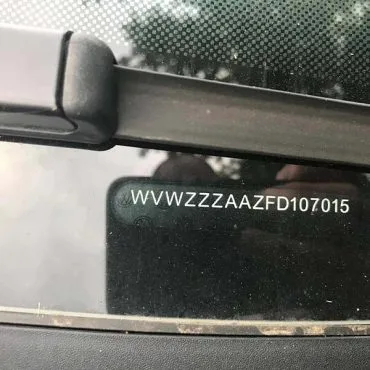
Vizlent VIN Number Code Stickers Labels Plates offer tamper-evident, weatherproof vehicle identification with laser-engraved or printed VIN data for automakers.
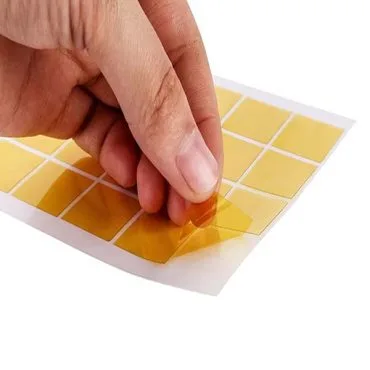
Vizlent ESD Polyimide Kapton High Temperature Resistant Labels survive reflow soldering, dissipate static, and stay legible to 300°C for PCB identification.
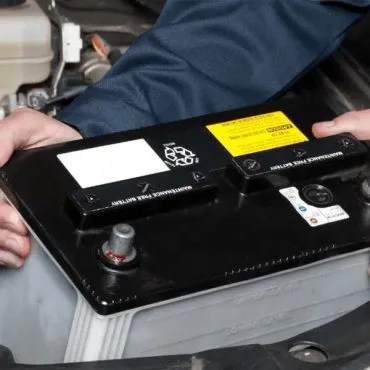
Vizlent Car Battery Labels resist acid, oil and heat with strong adhesion to PP cases. Durable identification and warning labels for automotive battery manufacturers.
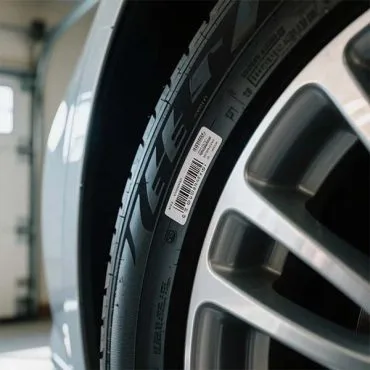
Vizlent Strong Adhesive Car Tyre Vulcanization Barcode Label survives 200°C curing, bonds to rubber, and stays scannable through the full tire production process.
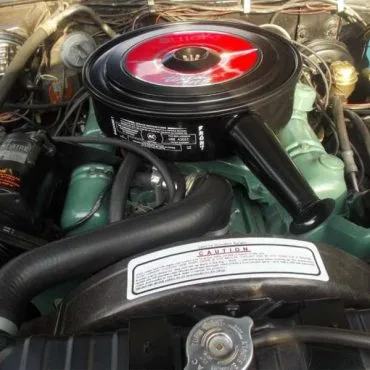
Vizlent Automotive Engine Compartment Labels resist heat, oil, UV and vibration. Harsh environment durable labels engineered for long-term engine bay identification.
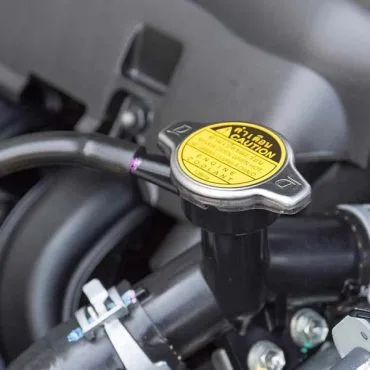
Vizlent Automotive Underhood Solvent Resistant Labels withstand fuel, oil and brake fluid, with high-temp adhesive for durable engine bay identification.
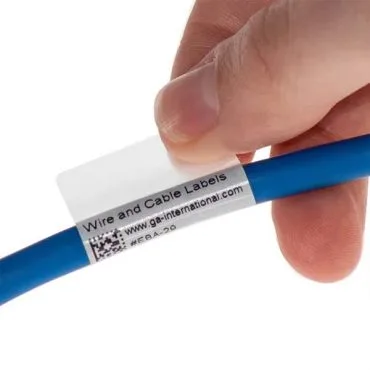
Vizlent Automotive Flame Retardant Wiring Harness Label offers UL 94 V-0 rated, oil and heat resistant identification for automotive cable harness assembly lines.
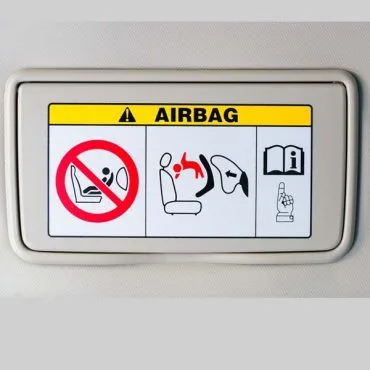
Airbag Warning and Caution Labels for Car by Vizlent. Durable, UV and chemical resistant labels with strong adhesion for automotive safety compliance worldwide.
Key Material Properties for Automotive Labels

Temperature resistance refers to the label construction’s ability—facestock, adhesive, and ink system together—to maintain dimensional stability, adhesion, and print legibility under continuous or cyclic elevated temperatures. In automotive contexts, this is not merely a facestock property; the adhesive must maintain cohesive strength without flowing or losing bond, and the topcoat must not crack or allow ink to migrate.
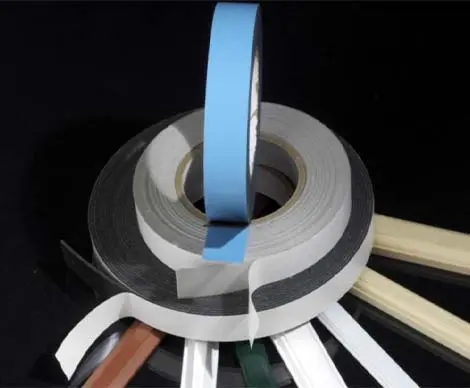
A significant portion of modern automotive exterior and interior components are molded from LSE thermoplastics—polypropylene, TPO, and polyethylene blends—with surface energies often below 35 dynes/cm. Standard permanent acrylic adhesives are engineered for higher-energy surfaces and will produce inadequate peel strength on LSE plastics, particularly after aging.

Chemical resistance in a pressure-sensitive label means the facestock and adhesive system do not swell, delaminate, blister, or allow ink bleed when exposed to automotive fluids. Polyester (PET) and polyimide facestocks offer substantially better chemical resistance than paper or most polypropylene films. Adhesive chemistry is equally important: acrylic adhesives generally outperform rubber-based adhesives for fluid resistance, though specific formulations vary widely.
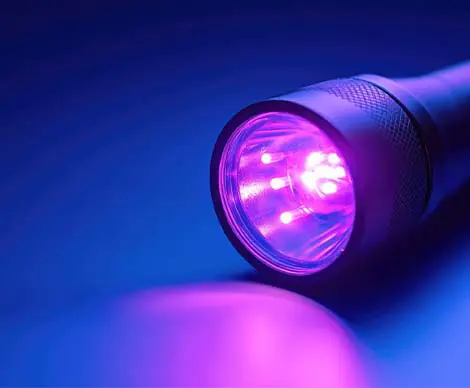
Exterior automotive labels—tire labels, underbody compliance tags, and roof or window markings—must resist UV-driven degradation of both facestock and colorants over years of outdoor exposure. Photopolymer degradation manifests as chalking, embrittlement, color shift, and adhesive failure at the label perimeter. UV-stabilized polyester and BOPP (biaxially oriented polypropylene) facestocks with UV-resistant topcoats are the common solution for exterior labels.
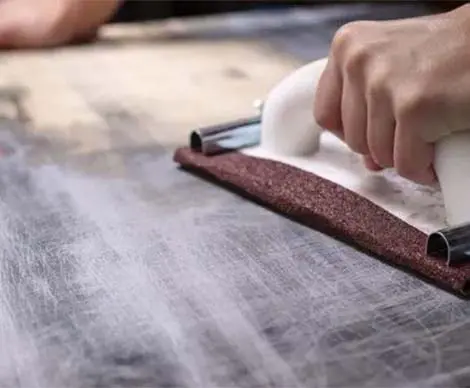
Labels in vehicle assembly plants are handled repeatedly during production—palletized, conveyed, kitted, and installed—before the vehicle even reaches the end of the line. Under-hood labels then face additional mechanical stress from vibration and maintenance contact over the vehicle’s service life. Facestocks with hard-coat topcoats, or materials like aluminum foil laminates and thick polyester films, typically offer better abrasion resistance than soft films or papers.
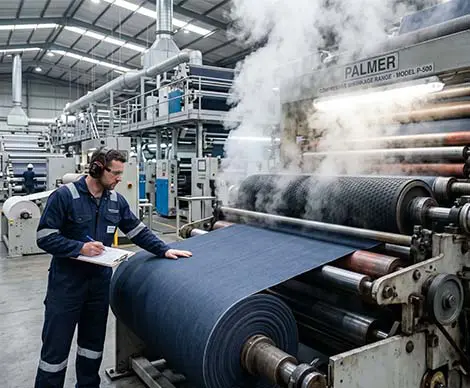
Labels used as engineering documentation—VIN plates, certification labels, and traceability barcodes—must hold their dimensions precisely through the converting process, die-cutting, and application. Films with high tensile strength and low elongation at break (typically polyester or aluminum foil) perform better than extensible films or papers in high-precision applications. Dimensional stability also matters when labels are applied by automated dispensing equipment; a facestock that changes size with humidity variations can cause application errors and barcode readability failures.
Common Automotive Label Applications
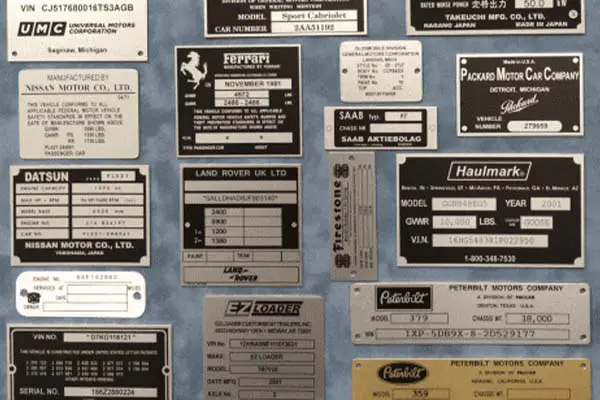
VIN plates are regulatory-mandated identification labels affixed to the driver’s side door jamb, dashboard, and in some markets additional locations. They must remain legible and tamper-evident for the full legal service life of the vehicle—typically a minimum of ten years under FMVSS 115 in the United States.
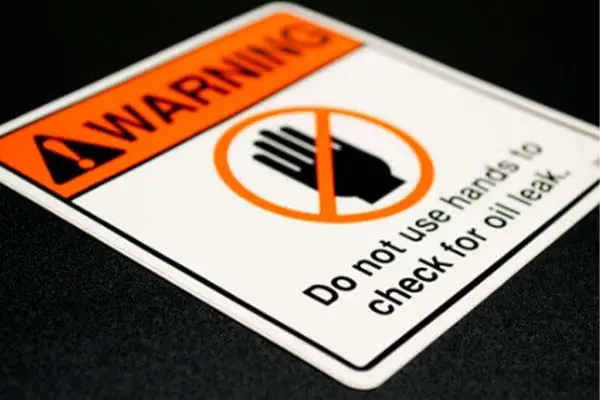
EPA emission control labels, California Air Resources Board (CARB) compliance labels, and federally mandated tire and rim safety labels must remain firmly affixed and legible under the hood and on door jambs for the life of the vehicle. These labels typically use a matte-white or silver polyester facestock with a permanent acrylic adhesive, printed by thermal transfer or laser printing.

Coolant reservoirs, battery housings, brake fluid reservoirs, and belt routing guides carry GHS-compliant hazard labels and operating instruction labels that must survive sustained under-hood temperatures, fluid splash, and cleaning solvent contact over years of service. These labels typically use a matte or gloss polyester or polyimide facestock with a high-temperature acrylic or silicone adhesive.

Window sticker labels (Monroney labels), tire information placards, and exterior trim identification labels occupy a unique position: they must adhere firmly to painted panels, glass, or TPO trim during vehicle transport and storage, yet in some cases must be removable by the dealer or end customer without leaving adhesive residue. This drives a removable or repositionable adhesive formulation rather than a permanent one, typically a rubber-based or specialty acrylic removable adhesive.

Component traceability throughout the supply chain—from Tier 1 suppliers through OEM assembly—relies on barcode labels that must survive the full production environment: conveyor belts, parts washing, paint exposure, and welding spatter proximity. These labels are applied to metal stampings, plastic subassemblies, and shipping containers.

Tire sidewall and rim labels serve identification, traceability, and point-of-sale functions. They must adhere to curved rubber and painted alloy wheel surfaces under conditions that include mounting lubricant contact, water, and significant mechanical deformation of the tire sidewall during installation. Pressure-sensitive tire labels typically use a conformable polypropylene or polyethylene facestock paired with a rubber-based aggressive adhesive that wets out quickly on low-energy rubber surfaces.
How to Select the Right Automotive Label Material
Specifying a pressure-sensitive label material for an automotive application requires working through a structured set of decision criteria rather than defaulting to a generic “automotive grade” material.

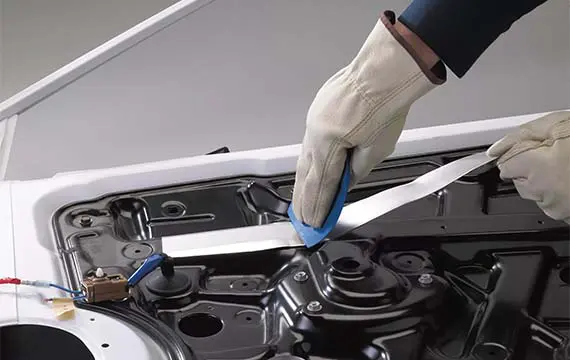
Define the application surface and its surface energy. Is the label going on painted steel, e-coated aluminum, unpainted polypropylene, glass, or rubber? LSE plastics and rubber require specially formulated adhesives; standard permanent acrylics will not achieve adequate long-term peel strength on these substrates. Request peel adhesion data measured on the actual target material, not on a stainless steel reference.
Map the thermal exposure profile. Identify both the continuous service temperature and any short-duration peak temperatures (paint oven cure, proximity to exhaust). A label that survives 120°C continuous service may fail at a 180°C oven spike. Obtain the full construction’s rated temperature range, not just the facestock film specification.
Identify specific fluid and chemical exposures. Request immersion or wipe-test data for the exact fluids the label will contact—do not assume that a “chemical resistant” label is resistant to every automotive fluid. DEF, brake fluid, and fuel each present distinct chemical challenges for adhesive and facestock chemistry.
Align print method with durability requirements. If thermal transfer printing is used, specify a resin-grade ribbon for applications requiring chemical, abrasion, or temperature resistance. Wax and wax-resin ribbons are cost-effective for short-life or indoor applications but will not meet performance requirements for most under-hood or exterior automotive labels. For direct thermal printing, verify that the label will not be exposed to temperatures or chemicals that activate or degrade the thermal coating prematurely.
Confirm regulatory requirements before finalizing the construction. If the label will carry FMVSS, EPA, GHS, or UL-required content, verify that the proposed construction has been tested—or can be tested—against the applicable standard. Material changes made after regulatory qualification (switching adhesive lots, changing facestock suppliers) may require re-qualification testing.
Frequently Asked Questions
Polyimide film (commonly known by the trade name Kapton) with a silicone-based adhesive is the standard construction for continuous service above 150°C, typically rated to 200°C or higher continuous and higher for short durations. Aluminum foil laminates with high-temperature acrylic adhesives are also used where temperatures stay in the 150–175°C range and metallic appearance or printability is required.
In most cases, no—adhesive formulations are optimized for either high-energy or low-energy surfaces, and a compromise construction will typically underperform on one or both substrates. When labeling across mixed substrates in a single part number, manufacturers often test aggressive rubber-based adhesive constructions that perform adequately on both, or specify two separate label constructions for each surface type.
Thermal transfer printing with a full-resin ribbon on a polyester facestock is the standard specification for labels exposed to oil and solvent degreaser contact; the resin ink layer cures into the facestock topcoat to produce a surface-resistant, smear-resistant image that wax and wax-resin ribbons cannot match in these conditions.
FMVSS 115 does not specify a numeric year requirement directly, but EPA emission label requirements under 40 CFR Part 85 mandate legibility for the vehicle’s useful life—defined as 10 years or 100,000–150,000 miles—which serves as the practical benchmark for VIN plate material qualification in the domestic market.
Most U.S. automotive OEMs require supplier shipping labels to conform to AIAG standard B-10 (Shipping/Parts Identification Label) using Code 128 or PDF417 barcodes, with print quality at a minimum ANSI/ISO grade of B or better; however, specific OEM customer requirements should always be confirmed directly, as individual OEMs and their Tier 1 customers may have additional formatting or quality mandates beyond the base AIAG standard.

