
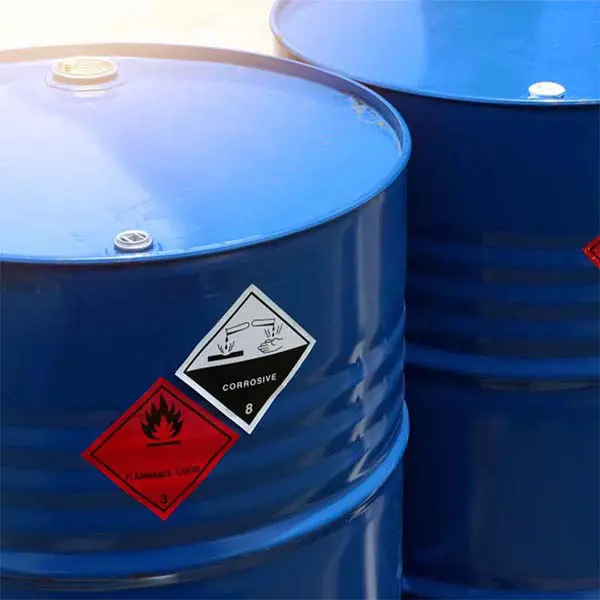
Why Petrochemical and Drum Labels Require Specialized Materials
Hydrocarbon and solvent contact: Drums containing petroleum distillates, aromatic solvents (toluene, xylene, benzene), chlorinated solvents, and lubricant base stocks routinely contaminate their exterior surfaces through filling splatter, drum sweating, or minor leakage at the bung. Standard acrylic adhesives swell, soften, and lose bond strength when plasticized by hydrocarbon contact. Facestock inks smear and facestocks delaminate. Only adhesive chemistries and facestock constructions specifically validated for hydrocarbon and solvent immersion are appropriate for primary chemical drum labeling.
Low-surface-energy container materials: The dominant drum material globally is high-density polyethylene (HDPE), typically blow-molded with a smooth or slightly textured surface. HDPE has a surface energy of approximately 31–35 mN/m — well below the threshold at which standard permanent acrylic adhesives achieve adequate peel strength. Drums may also be manufactured from polypropylene, UN-rated composite materials, or reconditioned steel — each presenting different surface energy, texture, and contamination challenges.
Outdoor and prolonged UV exposure: Drums stored in outdoor tank farms, loading yards, and rail sidings are exposed to direct UV radiation for months or years. Standard paper facestocks yellow, embrittle, and lose tensile strength. Pigmented inks fade to illegibility. White or pigmented vinyl and polyester facestocks with UV-stabilized topcoats are the baseline for any drum label expected to remain legible through extended outdoor storage.
Temperature extremes from filling and storage: Drums filled with hot process streams — certain petroleum waxes, bitumen products, or heated fuel oil — may arrive at the label application station with surface temperatures well above ambient. Cold-climate storage and heated product applications create a wide thermal range that adhesives must accommodate without cold-temperature embrittlement or hot-temperature adhesive flow (cold flow or ooze from the adhesive layer).
Key Material Properties for Petrochemical and Drum Labels
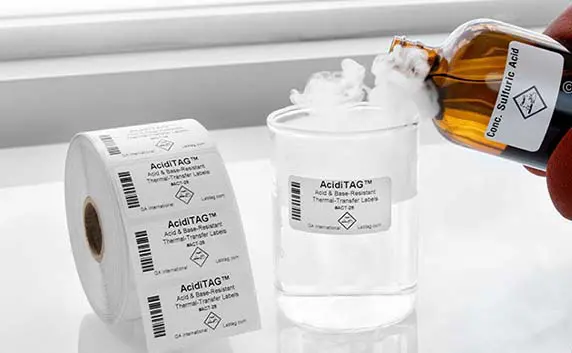
Chemical resistance in a label construction encompasses the facestock, ink or toner system, adhesive, and any topcoat or laminate — each component must resist the specific chemicals present in the application environment.

Adhesion to HDPE and polypropylene drum surfaces requires adhesive systems formulated and tested specifically for low-surface-energy (LSE) substrates. Standard permanent acrylic adhesives typically achieve 180-degree peel values of only 8–14 oz/in on untreated HDPE — well below the minimum for a label expected to survive outdoor exposure and chemical contact.
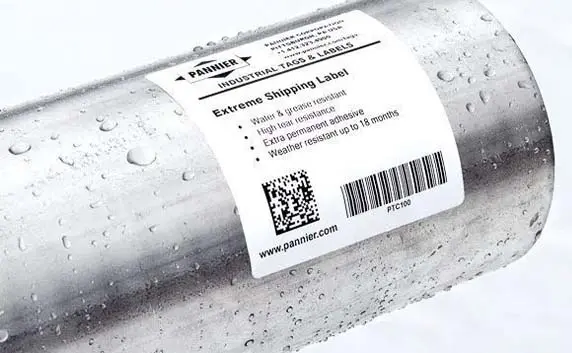
For outdoor drum storage — which may extend from months to several years in tank farms and outdoor chemical warehouses — facestock and ink resistance to UV radiation and weathering is a primary durability requirement.
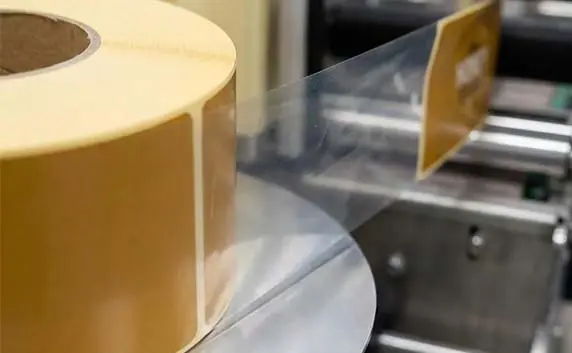
Drums in distribution and storage environments experience significant mechanical handling: forklift tine contact, drum rollers, pallet stacking, and strapping. The facestock surface and printed image must resist scuffing without loss of legibility on GHS hazard pictograms, signal words, and barcode elements.
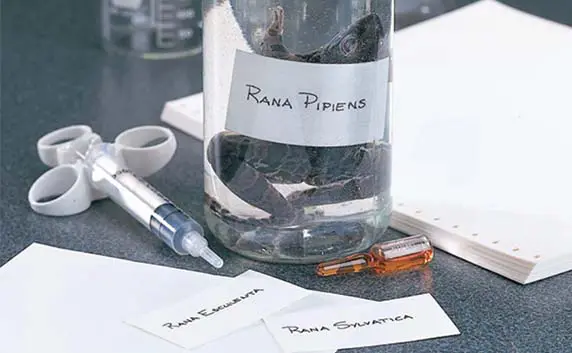
Drum curvature — particularly on the drum body, head, and chime area — requires a facestock and adhesive system that conforms without flagging, wrinkling, or bridging. Large-format GHS labels (typically 100mm × 100mm or larger) applied to the cylindrical drum body must conform in both the machine direction and cross direction without lifting at corners or edges.
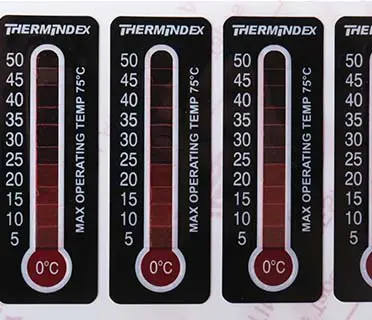
The adhesive’s minimum application temperature and full-service temperature range are critical specifications for drum labeling, where drums may be filled with heated products or stored in extreme cold.
Common Petrochemical and Drum Label Applications
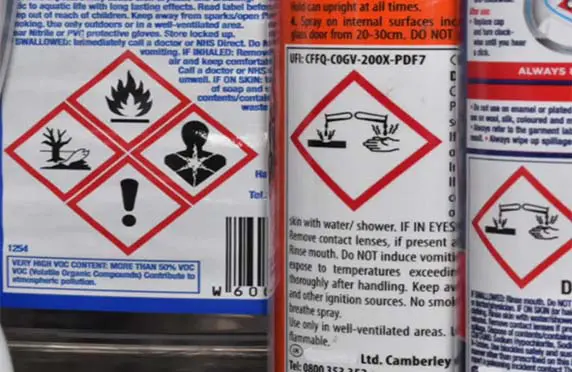
The primary GHS/HazCom label is the most regulated and most scrutinized label on any chemical drum. It must display the GHS hazard pictograms, signal word, hazard statements, precautionary statements, product identifier, supplier information, and supplemental hazard information as required by OSHA 29 CFR 1910.1200 (domestic) or the applicable national GHS regulation.
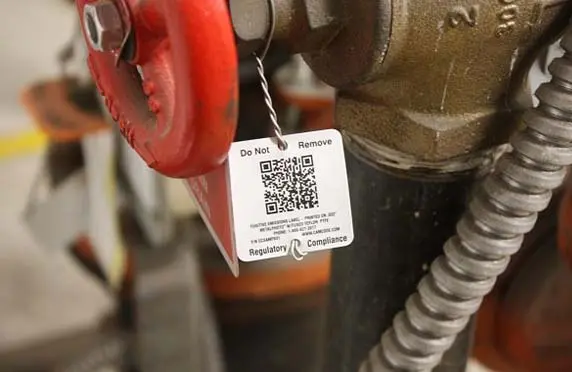
Within petrochemical refineries and processing plants, pipe markers and valve tags identify the contents, flow direction, and hazard status of process piping per ASME A13.1 and facility-specific standards. These labels are applied to steel, stainless steel, and insulated pipe surfaces in environments that may include hydrocarbon vapors, steam, extreme heat from adjacent process equipment, and outdoor weathering.
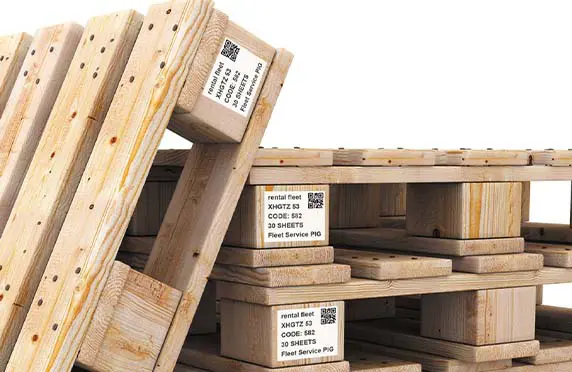
Secondary identification labels on drum heads and palletized loads carry lot numbers, batch codes, product grades, and supply chain barcodes used in inventory management. These labels are typically applied in the warehouse or at the end of the filling line, and must survive outdoor storage, stacking pressure, and fork truck handling.
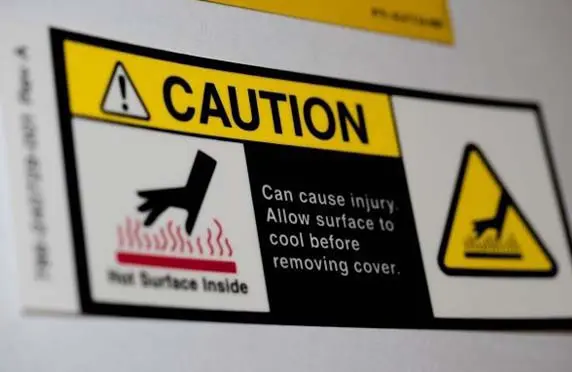
Large-format placard holders and adhesive-backed warning labels on petrochemical tanker trucks and railcars require materials that withstand continuous outdoor weathering, highway speeds (generating wind shear stress on label edges), diesel exhaust particulate, and cleaning with pressure washers and alkaline detergents. These are among the longest-service-life label applications in the industry — a placard label on a tanker may be expected to remain legible and adhered for 3–7 years.
How to Select the Right Label Material for Petrochemical and Drum Applications
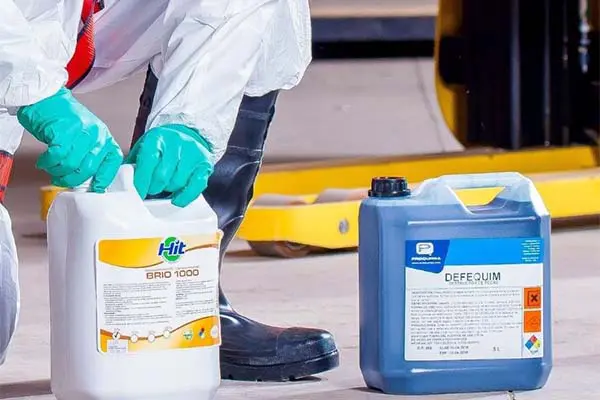
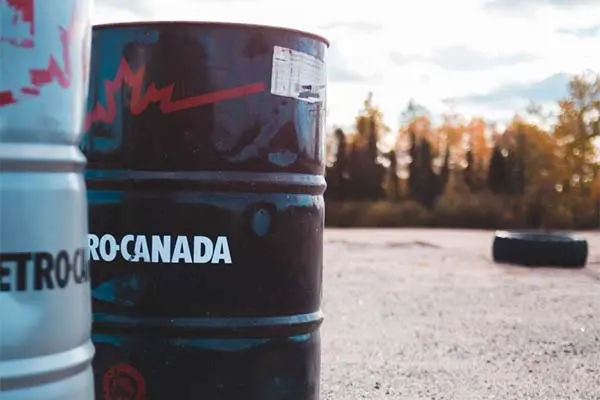
Identify the exact drum substrate and surface condition at the point of label application. New HDPE drums, reconditioned HDPE drums, new steel drums, enamel-coated steel drums, UN-rated composite drums, and IBC totes each present different surface energy, texture, and contamination levels. Specify the adhesive based on peel data generated on your actual drum surface — including any surface contamination from filling lubricants, dust, or condensation — rather than on idealized HDPE or steel test panels. For reconditioned drums, request adhesion data on reconditioned stock, not new drum equivalents.
Map every chemical the label surface may contact, including splatter, vapor, and cleaning agents. Chemical resistance evaluation must account not just for the drum’s primary contents, but for any aromatic or aliphatic hydrocarbons, acids, alkalis, or solvents present in the filling or storage environment. Cleaning compounds — pressure-wash detergents, solvent wipe-downs — are frequently overlooked and can be aggressive toward both adhesives and inks. Submit a complete chemical exposure list to your label material supplier and request immersion or contact test data for each relevant substance.
Establish the required service life and outdoor exposure duration before specifying facestock. A drum label expected to remain compliant for 6 months of indoor warehouse storage has a very different material requirement than one expected to remain legible for 3 years of outdoor tank farm exposure. Quantify the expected UV exposure hours, temperature cycle range, and mechanical handling events across the full service life, and match facestock UV resistance and weathering performance data — expressed in ASTM G154 or G155 hours — to those requirements.
Confirm regulatory requirements before finalizing print method and facestock surface finish. GHS labels require specific minimum element sizes and color accuracy for pictograms — a matte facestock may not support sufficient color gamut for GHS red diamond pictogram backgrounds in some digital print processes. DOT hazmat labels require color accuracy within defined tolerances. If labels will carry machine-readable barcodes for warehouse management, confirm that the facestock surface and print process combination achieves acceptable scan grades under post-exposure conditions, not only at time of printing.
Frequently Asked Questions
Standard permanent acrylic adhesives are not formulated for low-surface-energy substrates like HDPE, which has a surface energy of approximately 31–35 mN/m — too low for conventional adhesives to wet out and achieve adequate bond strength. The solution is to specify an LSE-rated adhesive construction and confirm adhesion with 180-degree peel testing on your specific HDPE drum stock, including any surface contamination from mold releases, filling lubricants, or condensation present at the application point.
Polyester (PET) facestock with a solvent-resistant topcoat and an aggressive-service adhesive system provides the broadest aromatic hydrocarbon resistance among common drum label constructions, outperforming vinyl and paper in direct contact with xylene, toluene, and benzene-containing products. Request immersion test data from the supplier on the specific facestock-adhesive construction using the actual solvent or solvent blend in your application, as resistance performance varies significantly across product chemistries and contact durations.
A properly specified calendered vinyl label with UV-stable pigmented inks and no topcoat will typically maintain acceptable legibility for 1–2 years of outdoor exposure in moderate climates; cast vinyl constructions with UV-resistant inks and a clear overlaminate can extend that performance to 3–5 years or more under similar conditions. Outdoor service life is highly site-dependent — UV intensity, temperature cycling, and chemical vapor exposure all accelerate degradation — so accelerated weathering data per ASTM G154 or G155 from the material supplier should be used as a comparative tool, not an absolute service life guarantee.
UN certification markings on drums must remain legible for the entire service life of the packaging, which for reconditioned drums can span many years and multiple fill cycles — a more demanding durability standard than a single-use GHS label on a one-trip container. UN markings on HDPE drums are frequently achieved through direct substrate printing or hot stamping rather than pressure-sensitive labels, precisely because adhesive-based markings can fail during reconditioning; when pressure-sensitive labels are used, they must be qualified through simulated reconditioning cycles including pressure washing and chemical exposure representative of the drum reconditioner’s process.
In environments classified as hazardous locations under NEC Article 500 or ATEX/IECEx — where flammable vapors or gases may be present — electrostatic discharge from label surfaces is a legitimate ignition risk consideration, particularly when labels are applied or removed in the presence of flammable concentrations. Some synthetic label facestocks, particularly certain films, can generate static charge during dispensing or peeling; facilities with classified area designations should review their label materials against the facility’s static control specification and, where required, specify antistatic-treated facestocks or consult their process safety function before finalizing material selection.

