
Why Logistics and E-Commerce Labels Require Specialized Materials
Surface diversity: Labels must adhere to corrugated kraft board, recycled-content corrugate (which has irregular surface energy), low-density polyethylene (LDPE) polybags, rigid HDPE totes, kraft paper mailers, and occasionally glass or foil-laminated boxes. A single adhesive chemistry rarely performs optimally across all of these.
High-speed automated application: Print-and-apply systems in fulfillment centers typically operate at line speeds of 60 to 150+ packages per minute. Labels must release cleanly from the liner, tack immediately to the substrate, and resist flagging without air entrapment.
Thermal printing dominance: The vast majority of logistics labels are printed via direct thermal (DT) or thermal transfer (TT) processes. Facestock must be optimized for image density, edge sharpness, and scan-grade barcode contrast — typically a minimum ANSI/ISO print quality grade of B or better.
Environmental exposure during transit: Parcels move through refrigerated sortation hubs, outdoor loading docks in summer heat, and humid last-mile delivery vehicles. Labels must maintain adhesion and readability across a temperature range typically spanning −20°F to 140°F (−29°C to 60°C) and relative humidity up to 95%, non-condensing.
Recycled and lightweight substrates: Sustainability mandates are pushing many shippers toward recycled corrugate and thinner-wall boxes with lower surface energy and higher porosity — surfaces that are notoriously difficult for standard adhesives.
Key Material Properties for Logistics and E-Commerce Labels

For corrugated and recycled-content applications, a high-tack, permanent acrylic adhesive is typically specified, with 180-degree peel values of 40 oz/in or greater on kraft paper. For polybag surfaces (LDPE), a low-surface-energy (LSE) adhesive is required — standard permanent acrylics will fail.

Caliper — the physical thickness of the facestock — affects how the label feeds through print-and-apply heads; typically 3.0 to 4.5 mil for paper stocks, 2.0 to 3.5 mil for synthetic. Thinner synthetic facestocks can improve applicator performance at high speeds but require tighter liner stiffness control.

Release force — the energy required to peel the label from the liner — should be consistent roll-to-roll; excessive variation causes misfeed, double-dispense, or jam events in automated applicators. Ask suppliers for release force data across temperature ranges relevant to your production environment.

For shipments transiting hot vehicles or outdoor staging areas, thermal transfer printing onto paper or synthetic stock provides superior image permanence. Per GS1 General Specifications, shipping label barcodes (GS1-128, ITF-14, QR Code) must meet a minimum ISO/IEC 15416 or 15415 print quality grade of 1.5 (equivalent to ANSI Grade C) for sortation system compatibility, though most carriers prefer Grade B (2.5) or better.
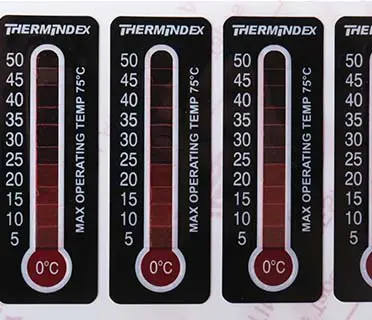
Labels entering cold-chain or refrigerated hub environments require adhesives formulated for low-temperature application and service. Standard permanent acrylic adhesives begin to lose tack below approximately 40°F (4°C). Cold-temperature adhesives — typically rubber-based or modified acrylic — are rated for application and service as low as −20°F (−29°C).

Moisture-resistant paper facestocks with a top-coated or film-laminated surface offer improved performance, while fully synthetic facestocks (polypropylene, polyester) are inherently waterproof and are the preferred choice for any application with direct moisture exposure. For outdoor or extended transit applications, a face-laminated construction — typically a thin clear film applied over a printed paper facestock — offers a cost-effective hybrid solution.
Common Logistics and E-Commerce Label Applications
-
 Outbound Shipping and Carrier Compliance Labels
The primary shipping label is the most critical label on any parcel. It carries the GS1-128 or QR barcode used by carrier sortation systems, the human-readable delivery address, and service-level routing indicators. These labels are almost universally printed via direct thermal on 4″ × 6″ format stock, applied via print-and-apply or desktop thermal printer.
-
 Cold-Chain and Perishable Shipment Labels
Grocery delivery, pharmaceutical e-commerce, and meal kit fulfillment require labels applied to refrigerated or frozen packaging — often LDPE film bags, foil-lined insulated liners, or pre-chilled corrugate.
-
 Warehouse Barcode and SKU Labels
We manufacture 1mm polycarbonate panels that are guaranteed unbreakable. These products are widely used for different applications. It comes in a wide range of colors and shades.
-
 Return Merchandise Labels
Pre-printed or print-on-demand return labels are included in outbound shipments or sent digitally for consumer printing. The challenge is unpredictability: the return label may be applied to the original box (over existing corrugate, tape, or even a previous label), to a repurposed box of unknown surface quality, or to a polybag.
-
 Packing List and Order Contents Labels
Applied to the interior or exterior of boxes, packing list labels identify order contents for fulfillment verification and customer-facing documentation. These labels typically do not require the extreme durability of outbound shipping labels, but must adhere reliably to corrugated interiors, tissue paper, and folded paperboard.
-
 Hazardous Materials and Dangerous Goods Labels
E-commerce shippers handling lithium batteries, flammable liquids, aerosols, or other regulated substances must apply DOT/IATA/IMDG-compliant hazmat labels in addition to standard shipping labels.
How to Select the Right Label Material for Logistics and E-Commerce


Define the application surface or surfaces. Is the label going on corrugated kraft, recycled corrugate, LDPE polybag, HDPE rigid tote, or multiple surface types? Surface energy and porosity determine the adhesive chemistry required before any other variable is considered. If the label must perform on LDPE polybags, a standard permanent acrylic adhesive is not sufficient — specify an LSE-rated construction and request peel data on your specific polybag film.
Establish the full temperature range. Identify the coldest application temperature (the temperature of the surface at the moment of label application) and the hottest ambient service temperature the label will experience in use. These two data points narrow the adhesive selection significantly. Confirm that the supplier’s temperature ratings reflect both application and service conditions — these are different specifications.
Determine the print method and image permanence requirement. Direct thermal is lower cost and simpler operationally, but the image is vulnerable to heat and UV. Thermal transfer provides a more durable image but requires ribbon management. If labels will be exposed to outdoor conditions, enclosed vehicle heat, or prolonged UV, specify TT or consider a UV-resistant topcoat on DT stock. If scan grade is a contractual carrier requirement, validate image quality in the actual print-and-apply system under production conditions.
Confirm automated application compatibility. If using print-and-apply equipment, consult with your applicator OEM on liner caliper, liner type (kraft vs. PET film), roll diameter, and release force range that the system is calibrated for. A label construction that performs well in a lab may cause persistent misfeed in a specific applicator model due to liner stiffness or release force mismatch.
Frequently Asked Questions
Generally, no. Standard permanent acrylic adhesives perform well on corrugated but will fail to achieve adequate bond strength on low-surface-energy LDPE polybag film. A single construction with an LSE-rated adhesive can work on both surfaces, but peel performance on corrugated may be slightly reduced compared to a corrugated-optimized adhesive — request comparative peel data on both substrates before specifying a universal construction.
Direct thermal labels in standard transit conditions — away from prolonged heat, direct UV, and chemical exposure — typically maintain scan-grade image quality for the duration of a domestic parcel shipment (typically 1–10 days). For shipments requiring longer archival legibility (e.g., return labels stored by the consumer for weeks), thermal transfer on paper or a top-coated DT facestock with UV inhibitors offers meaningfully better image permanence.
Edge lifting and full delamination in transit are most commonly caused by adhesive-substrate mismatch (particularly on LSE surfaces), application at surface temperatures below the adhesive’s minimum application temperature, or contamination (dust, moisture, mold release agents) on the application surface. Prevention starts with specifying the correct adhesive chemistry for the actual substrate and verifying that application conditions — surface cleanliness and temperature — are within the adhesive’s rated range.
Paper facestock with the appropriate adhesive is adequate for most standard ambient-temperature parcel shipments when printed via thermal transfer or with a moisture-resistant topcoat. Synthetic facestocks (BOPP, polyester) are warranted when the label will experience direct moisture exposure, extreme temperatures, requires tear resistance for tamper-evidence, or must meet regulatory durability requirements such as those for hazardous materials or freezer-grade cold-chain applications.
USPS currently requires a minimum 4″ × 6″ label format for most Priority Mail and Ground Advantage shipments when using Intelligent Mail Package Barcode (IMpb) labels. The IMpb barcode and human-readable data elements must meet USPS Publication 91 print quality standards. Always verify current USPS label specifications directly with USPS or your shipping software provider, as format and data requirements are subject to periodic revision.