

Why Cable Labels Require Specialized Materials
Cable identification systems must remain readable throughout the service life of the wire or harness. Unlike flat packaging surfaces, cables present a curved, low-surface-energy, and often flexible substrate that challenges both adhesive bonding and print durability.
Many cable installations are also exposed to environmental stresses such as:
- Continuous operating temperatures typically ranging from -40°C to 125°C
- Outdoor UV exposure on telecom, solar, and utility installations
- Chemical contact from oils, fuels, hydraulic fluids, or cleaning solvents
- Abrasion from cable routing, vibration, and maintenance access
- Moisture and humidity in marine, HVAC, and industrial environments
In electrical and industrial applications, failed identification can slow troubleshooting, create safety risks, or complicate compliance audits. For this reason, cable labels are commonly engineered with high-tack acrylic adhesives, conformable film facestocks, thermal transfer print compatibility, and UL-recognized constructions.
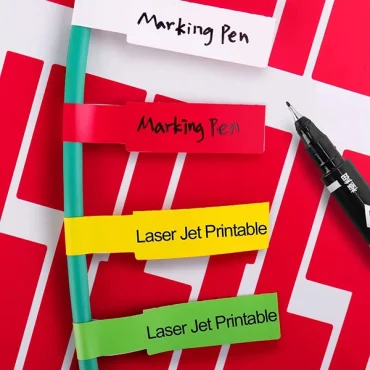
Electrical and UTP Wire Labels for Laser Printers Engineered for reliable feed and sharp toner adhesion through A4 laser printers Polyester face material withstands laser fuser heat without warping or label lifting Suitable for both electrical control wiring and UTP network cable identification Self-adhesive wrap-around format for cables from 2 mm to 12 mm diameter […]
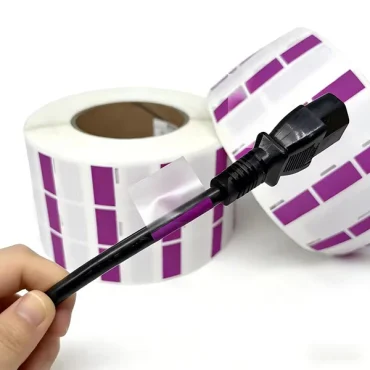
Electrical Cable Label Self Laminating Labels Integrated clear overlaminate tail encapsulates printed zone on application Protects circuit codes and barcodes from abrasion, oils, and cleaning agents Suitable for electrical panel wiring, industrial cables, and field service conduit runs Available in roll format for thermal-transfer and inkjet cable label printers Compatible with cable diameters from 3 […]
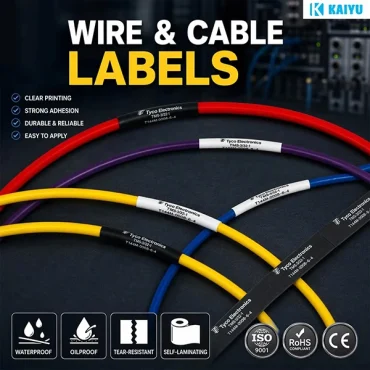
30PCS/Sheet Network Electrical Cable Labels 30 labels per A4 sheet for high-yield in-house laser printer cable labelling Self-adhesive wrap-around format bonds to round cable jacket surfaces Compatible with standard A4 mono and colour laser printers White polyester or polypropylene face for sharp, durable print output Suitable for network patch cables, electrical control cables, and data […]
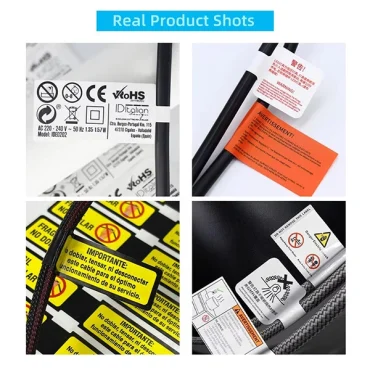
T-Flag Wire Labels for Electrical Cables T-flag fold creates dual-sided readable panel on each cable Wraps and adheres firmly around cable jacket without connector interference Compatible with cable diameters from 2 mm to 20 mm Plasticiser-resistant adhesive maintains bond on PVC wire insulation Printable via thermal transfer, laser, or permanent marker Send Your Inquiry Now […]
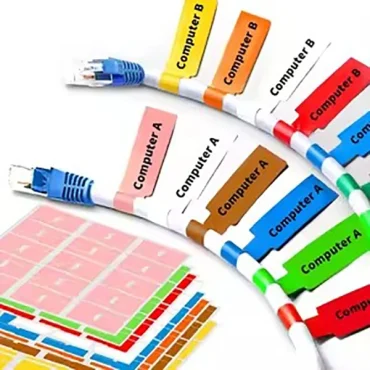
UTP Cat6 Labels Electrical Wire Self Laminating Labels Self-laminating clear overlaminate wraps over printed zone for abrasion and moisture protection Compatible with UTP Cat5e, Cat6, Cat6A, and standard round patch cord diameters Write-on zone accepts permanent markers, ballpoint pens, and thermal-transfer print Clear wrap section bonds to cable jacket for a secure, professional finish Available […]
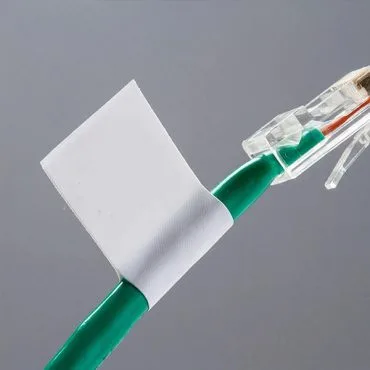
Electrical Cable and Wire Flag Labels by Vizlent provide reliable, high-visibility identification for cables and wires in panels, conduits, and industrial wiring systems.
Key Material Properties for Cable Labels
Common Cable Label Applications
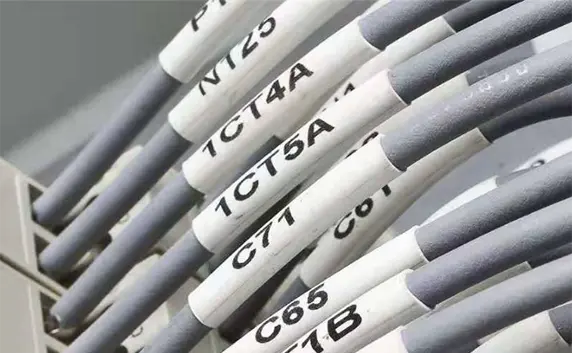
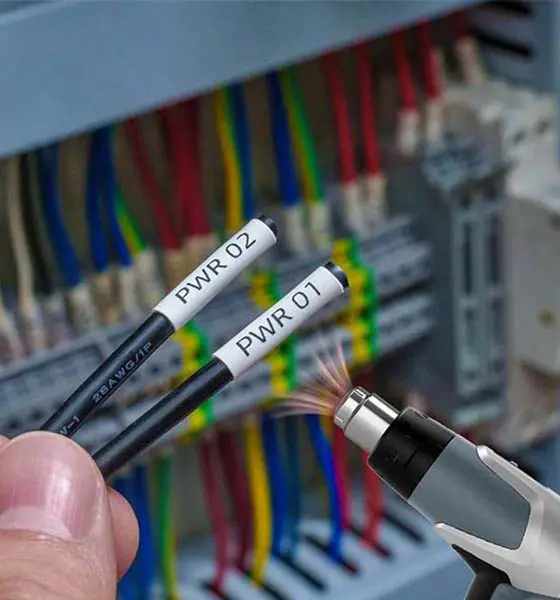
Typical constructions use thermal-transfer printable polyester or vinyl films with permanent acrylic adhesive systems designed for small-diameter cables.

These labels must resist handling damage while remaining lightweight enough not to strain delicate cable assemblies.
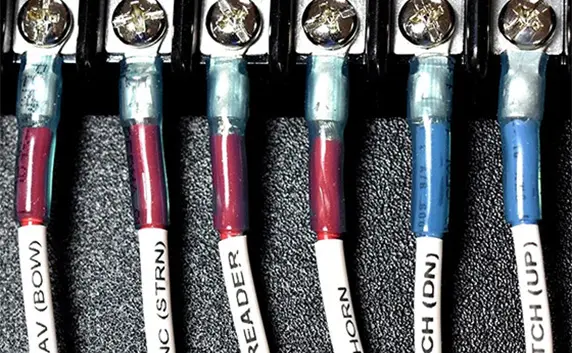
Materials typically require flame resistance, high-temperature stability, and excellent print permanence under harsh operating conditions.
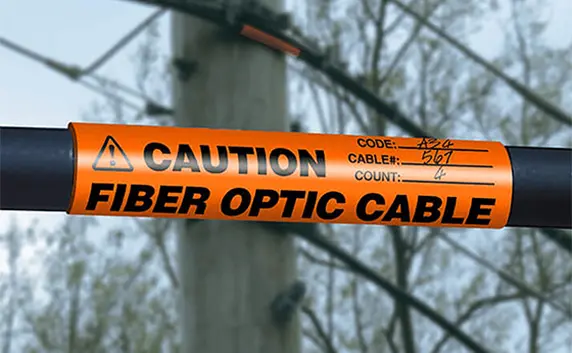
UV-resistant synthetic films combined with aggressive outdoor adhesives are typically used to maintain readability and adhesion throughout the service life of the installation.
Regulatory & Compliance Considerations
Cable label materials may need to comply with industry-specific standards depending on the installation environment and end-use market.
UL 969 — Covers marking and labeling systems used for permanent product identification and durability evaluation.
RoHS — Restricts hazardous substances such as lead, mercury, and cadmium in electrical and electronic applications.
REACH — Addresses chemical substance compliance for materials supplied into many global markets.
CSA Standards — May apply for electrical equipment and labeling used in Canadian installations.
ASTM G154 — Commonly referenced for accelerated UV weathering and outdoor durability testing.
MIL-STD and SAE specifications — Frequently relevant for aerospace, defense, and transportation cable identification systems.
ISO 9001 manufacturing controls — Often requested to support traceability and process consistency in industrial supply chains.
Compliance requirements vary by industry, geography, and application environment. Material qualification should be verified against actual operating conditions and end-product certification requirements.
Frequently Asked Questions
Polyester is commonly used because it provides a balance of thermal stability, print durability, chemical resistance, and long-term adhesion on wire and cable surfaces.
Yes, outdoor-rated cable labels typically use UV-stable synthetic films and weather-resistant acrylic adhesives designed for prolonged sunlight and moisture exposure.
Thermal transfer printing with resin ribbons is widely preferred for industrial cable labeling because it provides strong resistance to abrasion, heat, and solvents.
Heat shrink labels permanently contract around the wire after heating, while wrap-around labels rely on pressure-sensitive adhesive attachment and often include a protective overlaminate section.
Common causes include using adhesives incompatible with cable jackets, insufficient temperature resistance, poor surface preparation, or selecting materials not rated for chemical or UV exposure.

