
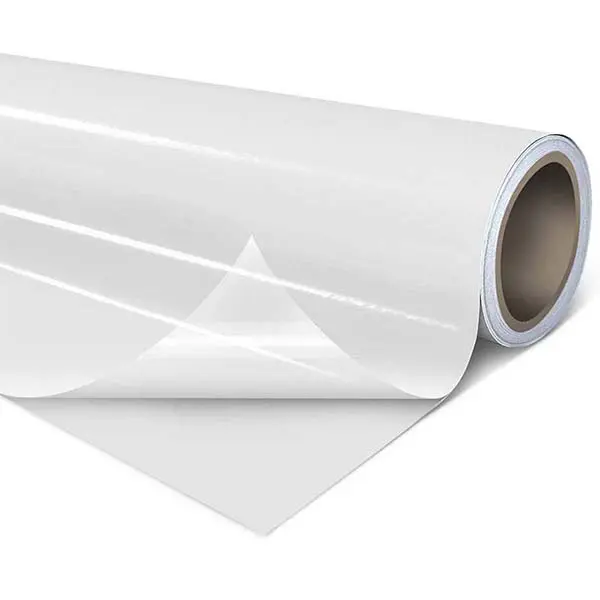
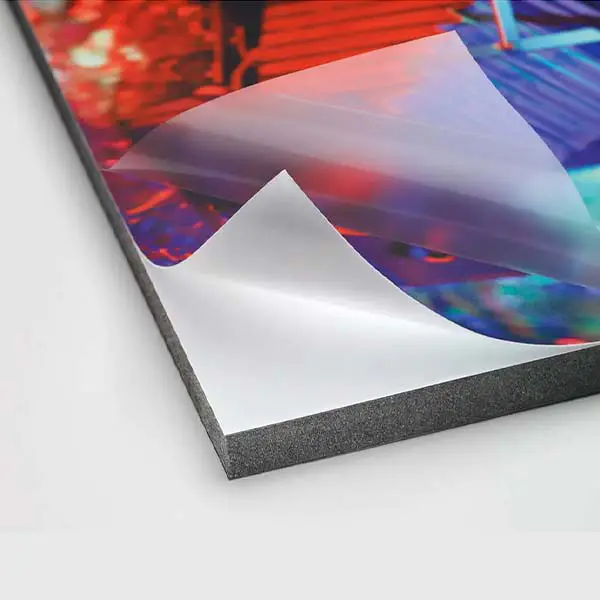
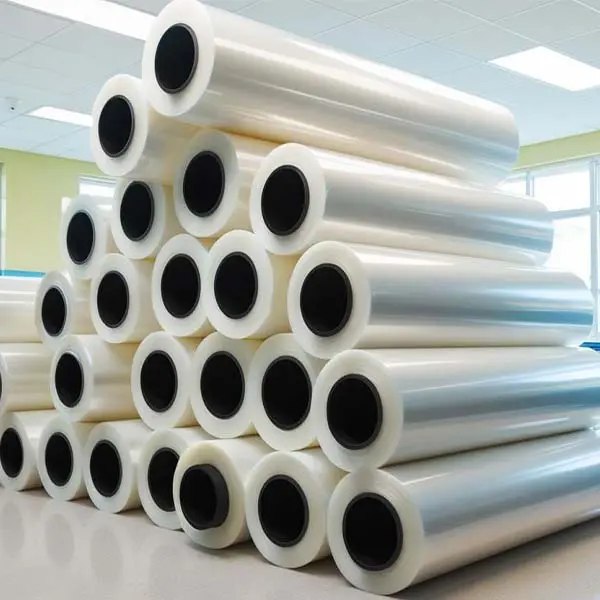
What Are Cold Lamination Film Products?
- The primary characteristics that define premium industrial cold laminate include exceptional UV resistance, robust chemical and solvent defense, and high optical clarity. UV resistance prevents both the laminate and the underlying substrate from yellowing, degrading, or becoming brittle when exposed to direct sunlight over extended periods. Chemical defense is engineered to repel aggressive solvents, hydraulic fluids, and industrial cleaners frequently found in chemical processing and manufacturing environments. Optical clarity ensures that critical information, such as asset tracking barcodes and safety warnings, remains perfectly legible and scannable by optical readers throughout the label’s service life.
- Furthermore, mechanical abrasion protection is a critical characteristic for labels placed in high-traffic areas. Heavy-duty overlaminates must absorb physical impacts, scrapes, and abrasions without tearing or delaminating from the base material. The integration of a high-tack pressure-sensitive adhesive ensures a permanent bond, achieving optimal peel strength quickly after application. This combination of structural toughness and aggressive adhesion allows the clear protective laminate to function flawlessly even when subjected to the extreme temperature fluctuations common in industrial and outdoor settings.
Technical Specifications and Compliance
Understanding the precise technical parameters of cold lamination film is essential for procurement managers and engineers aiming to specify the correct material. VIZLENT engineers our clear protective laminate to exact specifications, ensuring consistent performance across all batches. Below is a comparative breakdown of our primary industrial overlaminate materials and their respective technical capabilities.| VOLTAGE | 120 – 230 V |
| FREQUENCY | 50/60 Hz |
| POWER | 50/60 Hz |
| TEMPERATURE | 50/60 Hz |
| SPEED | 1800 – 3450 W |
| LENGTH | 100 – 620 °C |
Performance Standards and Testing
Our heavy-duty overlaminates undergo rigorous laboratory testing to validate their technical specifications. Tensile strength and elongation are measured to ensure the film will not snap under structural stress. Peel strength testing is conducted using specialized dynamometers to verify the high-tack pressure-sensitive adhesive creates a permanent bond with various substrates, including low surface energy (LSE) plastics and powder-coated metals. We also subject our UV resistant laminate to accelerated weathering chambers, simulating years of harsh UV exposure to guarantee optical clarity and prevent material yellowing over its service life. Chemical resistance is verified through continuous immersion testing and rub-tests utilizing aggressive industrial solvents like MEK (Methyl Ethyl Ketone), toluene, and sulfuric acid. This ensures our cold lamination film maintains its structural integrity and protective qualities in the most hostile chemical processing environments. By adhering to these strict internal testing methodologies, VIZLENT guarantees that every roll of industrial cold laminate meets the exact specifications required by our global client base.Industry Certifications and Compliance
Regulatory compliance is a non-negotiable aspect of industrial identification. VIZLENT’s cold lamination film products are engineered to support compliance with primary global safety standards. When paired with appropriate base substrates and printing inks, our overlaminates are designed to meet UL 969 standards for marking and labeling systems, ensuring they will not peel or degrade over the equipment’s lifespan. We also maintain strict compliance with ANSI Z535.4 and OSHA 1910.144 regulations for safety color codes and hazard warnings. Furthermore, our manufacturing processes and materials adhere to global environmental and safety directives. Our pressure sensitive overlaminate portfolio is fully RoHS and REACH compliant, guaranteeing the absence of hazardous substances in our chemical formulations. For international markets, our materials support ISO 3864 compliance for graphical symbols and safety colors. Partnering with a manufacturer that possesses 15+ years of expertise ensures your clear protective laminate not only performs flawlessly but completely insulates your organization from regulatory liabilities.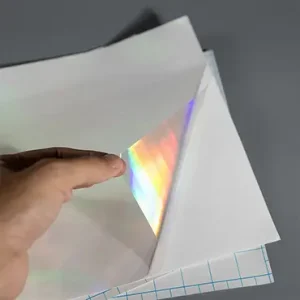
Pressure-sensitive BOPP/PVC overlay cast with prismatic light-diffracting patterns. Provides tamper-evident security and moisture resistance. Used in brand authentication and promotional packaging.

Anti-glare PVC overlaminate with permanent acrylic adhesive. Reduces reflection and resists fingerprints or chemical wipes. Essential for exhibition graphics, trade show panels, and CAD plots.
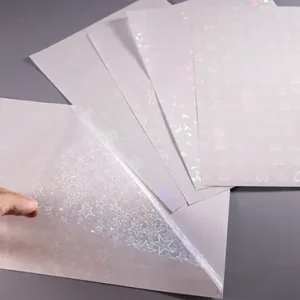
Premium pH-neutral PVC laminating film with UV-absorbing adhesive. Prevents photo degradation, yellowing, and moisture damage without thermal stress. Designed for fine art and studio portraiture.
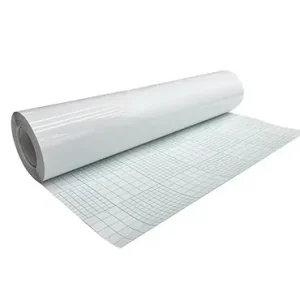
High-tack adhesive vinyl overlaminate requires zero thermal activation. Offers robust dimensional stability and shields against abrasion. Suitable for temperature-sensitive inks and synthetic papers.
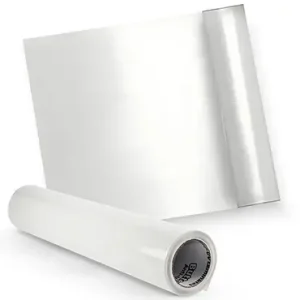
Peel-and-stick clear PVC film backing with solvent acrylic adhesive. Delivers instant waterproof sealing and tear resistance. Perfect for office document protection, maps, and industrial labels.

Heavy-duty calendered PVC overlaminate with permanent adhesive. Withstands significant mechanical wear, UV radiation, and plasticizer migration. Designed for vehicle wraps and floor graphics.
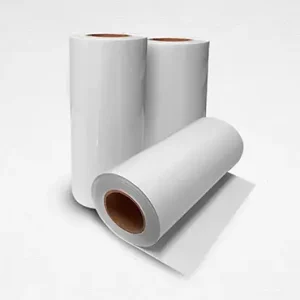
Pressure-sensitive PVC film with acrylic adhesive requires no heat. Provides UV-blocking, waterproofing, and anti-scratch protection. Used for wide-format graphics and architectural blueprints.
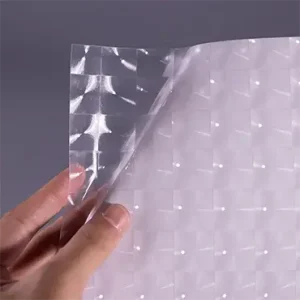
Heat-free transparent PVC overlay featuring micro-embossed holographic textures and UV-resistant acrylic adhesive. Secures and elevates security badges, event passes, and promotional displays.
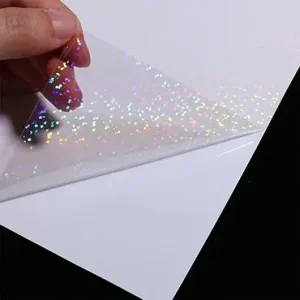
Self-adhesive, heat-free PVC laminating film embedded with reflective micro-particles. Offers water and abrasion resistance. Designed for decorative labels, retail signage, and high-end craft media.
Applications and Industries for Industrial Cold Laminate
Heavy Manufacturing and Chemical Processing:
Safety and hazard warning labels in these sectors are heavily regulated. Utilizing a compliant cold lamination film ensures that crucial warning symbols and instructions do not fade, peel, or become illegible over time. This mitigates workplace accidents and protects organizations from compliance violations. Heavy-duty overlaminates provide the necessary barrier against the daily physical impacts from forklifts, tools, and raw materials, maintaining the integrity of the facility’s visual safety communication system.
Warehouse Logistics and Electrical Utilities:
In the electrical utilities sector, cold lamination film protects critical warning labels on transformers, switchgear, and utility poles. These applications demand exceptional dielectric strength and long-term weatherproof performance. A pressure sensitive overlaminate applied to these assets must endure decades of severe weather, UV radiation, and temperature extremes while resisting delamination. Specialized PET and Polycarbonate materials are specifically engineered to provide this extended service life, ensuring public safety and maintaining critical infrastructure identification.
How to Choose the Right Cold Lamination Film
Analyze the Operating Environment: Determine the maximum and minimum service temperatures the label will endure. If temperatures exceed 200°F, a PET cold lamination film is mandatory. Assess chemical exposure—will the label face aggressive solvents, oils, or basic cleaning agents? Evaluate UV exposure for outdoor applications, necessitating a specialized UV resistant laminate.
Evaluate the Substrate and Surface: Assess the geometry of the application surface. For flat, rigid surfaces, rigid PET provides optimal protection. For tight curves, wire wraps, or uneven surfaces, a highly conformable PVC pressure sensitive overlaminate is required to prevent edge lifting. Consider the surface energy of the mounting area to ensure the adhesive formulation matches properly.
Determine the Necessary Thickness: Select the film thickness based on expected mechanical abrasion. Standard asset tracking labels typically require 1.0 to 2.0 mil thickness. High-traffic industrial floor signs or membrane switches subjected to heavy impacts require Polycarbonate overlaminates ranging from 5.0 to 15.0 mil.
Verify Print Compatibility: Ensure the cold lamination film adhesive is compatible with your specific printing technology. The high-tack pressure-sensitive adhesive must effectively wet out over thermal transfer resins, screen printing inks, or UV digital inks without causing chemical reactions or visual silvering that could obstruct barcode scanners.

