

Why Autoclave Sterilization Indicator Labels Require Specialized Materials
Autoclave sterilization environments combine heat, moisture, and pressure in ways that quickly degrade conventional pressure-sensitive labels. Typical steam sterilization cycles operate at approximately 121°C to 135°C under saturated steam conditions, often with exposure times ranging from several minutes to over an hour depending on the sterilization protocol and load configuration.
During sterilization, labels may be applied to stainless steel trays, wrapped surgical packs, sterilization pouches, glass containers, polymer instruments, or laboratory equipment. Each surface presents different adhesion challenges due to texture, energy level, condensation exposure, and thermal expansion.
Indicator functionality introduces another layer of complexity. These labels often incorporate chemical indicator inks designed to change color after exposure to validated sterilization conditions. The substrate and topcoat must protect the indicator chemistry without interfering with its response characteristics.
Healthcare facilities and laboratories also require labels to remain legible after sterilization for inventory control, traceability, lot tracking, and procedural documentation. In many applications, barcodes and human-readable information must remain scannable even after repeated sterilization cycles and handling with gloves or disinfectants.
Supporting SEO keywords naturally associated with this industry include steam sterilization labels, autoclave indicator tape labels, sterilization process indicator labels, high temperature sterilization labels, medical sterilization labels, and steam autoclave labels.
Key Material Properties for Autoclave Sterilization Indicator Labels
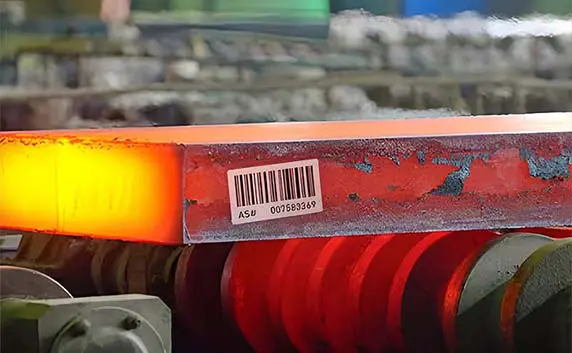
The label substrate and adhesive must tolerate repeated exposure to elevated sterilization temperatures without shrinking, discoloring, or delaminating. In steam autoclave environments, materials are typically expected to withstand temperatures between 121°C and 135°C for defined cycle durations.
Polyester films, medical-grade crepe papers, and specialty sterilization papers are commonly used because they maintain dimensional stability during thermal cycling. Buyers should evaluate both short-term exposure ratings and repeated-cycle durability where reusable trays or containers are involved.

Saturated steam exposure is one of the primary failure points for conventional label constructions. Moisture intrusion can weaken adhesives, distort paper facestocks, and blur printed information.
Autoclave labels typically use aggressive acrylic adhesive systems or specialty rubber-based formulations designed for humid sterilization environments. Materials should resist edge lifting and maintain adhesion after condensation and cooling phases.

Hospitals and laboratories frequently print lot numbers, expiration dates, cycle information, and barcodes directly onto sterilization labels. Thermal transfer printing is commonly used because it provides durable imaging under heat and moisture exposure.
Topcoated substrates designed for thermal transfer ribbons typically provide better smear resistance and barcode scan reliability after sterilization. Print durability should be evaluated after both sterilization and post-cycle handling.
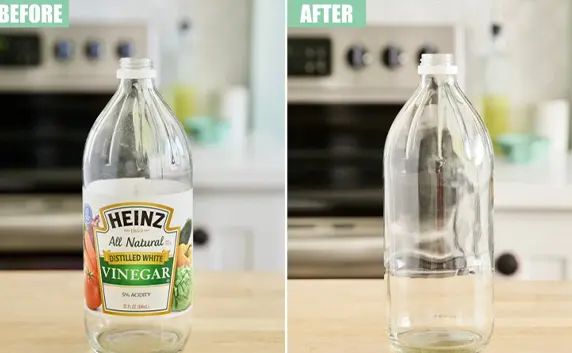
In reusable sterilization systems, labels may need to remove cleanly without adhesive residue remaining on trays or instrument containers. Residue buildup can interfere with cleaning validation and reprocessing workflows.
Removable autoclave adhesive systems are typically engineered to maintain bond strength during sterilization while still allowing controlled removal after cooling.
Common Autoclave Sterilization Indicator Label Applications
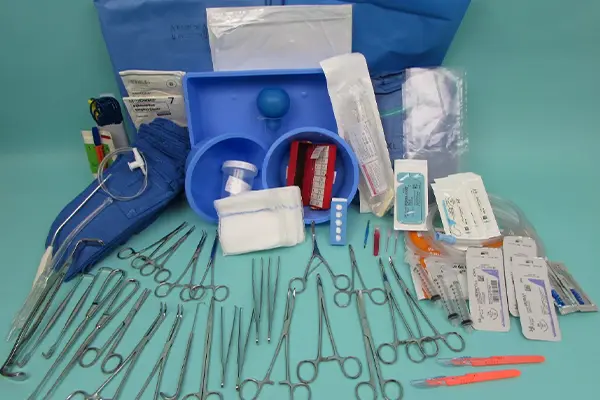
These labels are commonly applied to stainless steel instrument trays and rigid sterilization containers. They must withstand repeated steam sterilization cycles, cleaning chemicals, abrasion during transport, and frequent handling in central sterile processing departments.
Typical constructions include polyester film facestocks with high-temperature acrylic adhesives and thermal-transfer printable topcoats.

Medical facilities often apply indicator labels to sterilization pouches containing packaged instruments or consumables. The labels provide visual confirmation that the pouch passed through a sterilization cycle.
These applications commonly use paper-based indicator labels engineered for compatibility with porous packaging materials and steam penetration requirements.

Research and diagnostic laboratories frequently sterilize glassware, media containers, and reusable instruments in autoclaves. Labels must remain legible after sterilization to preserve sample traceability and procedural documentation.
Synthetic film materials are typically selected where moisture resistance and chemical durability are priorities.

Indicator tape labels are widely used for package sealing and process verification. These constructions incorporate indicator stripes or printed chemical indicators that change appearance after exposure to validated sterilization conditions.
Crepe paper facestocks are commonly used because they conform well to wrapped sterilization packs while tolerating steam exposure.
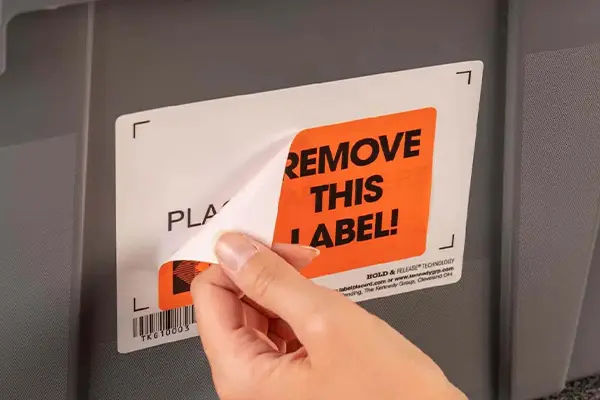
Healthcare systems increasingly use reusable sterilization containers that require repeated barcode tracking throughout sterilization and distribution workflows.
These labels often require high-durability polyester constructions capable of surviving multiple autoclave cycles, cleaning agents, and repeated scanning.
Regulatory & Compliance Considerations
Frequently Asked Questions
Most standard thermal labels fail under steam sterilization conditions due to adhesive breakdown, substrate distortion, or image degradation. Autoclave-specific constructions are typically required.
Many autoclave label materials are designed for steam sterilization cycles between 121°C and 135°C, although exact limits depend on substrate, adhesive, and exposure duration.
Polyester labels generally provide better moisture resistance and repeated-cycle durability, while specialty sterilization papers are often preferred for disposable packaging and indicator tape applications.
Not always. Indicator chemistry and material construction are usually designed for a specific sterilization process, so labels intended for steam sterilization may not perform correctly in dry heat systems.
Thermal transfer printing is widely used because it provides durable barcode and text imaging that can remain legible after steam sterilization and handling.