
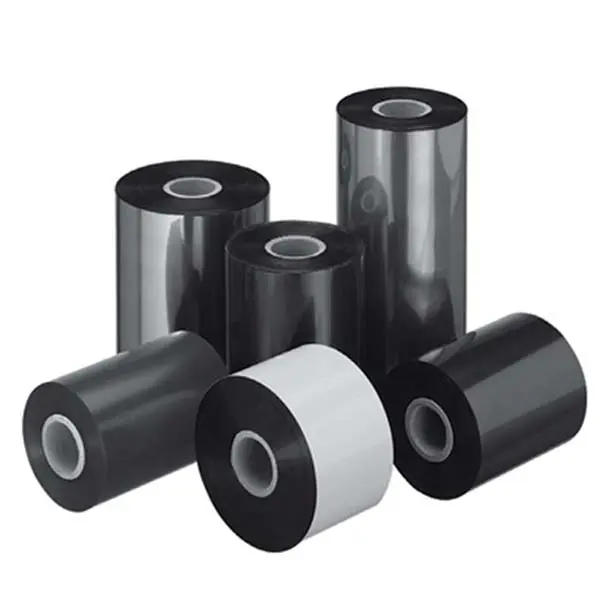
Key Characteristics of the Resin Ribbon
The defining characteristic of an industrial resin barcode ribbon is its extreme chemical and solvent resistance. Once printed onto an appropriate synthetic substrate, the resin image will withstand prolonged exposure to aggressive chemicals including brake fluid, methyl ethyl ketone (MEK), xylene, sulfuric acid, and harsh industrial degreasers. This renders the thermal transfer resin ribbon absolutely essential for environments like chemical processing facilities, automotive manufacturing plants, and heavy industrial settings where chemical washdowns are standard operating procedure.
Furthermore, an ultra-durable resin ribbon provides unmatched mechanical abrasion durability. Labels placed on shipping drums, automotive under-hood components, or heavy machinery face constant physical friction throughout their service life. The high-density polymer structure of the printed resin prevents the barcode from scratching, smudging, or flaking off the substrate. In addition, these specialized ribbons offer long-term outdoor weatherability, featuring inherent UV resistance that prevents the printed information from chalking or fading even after years of direct sunlight and extreme temperature fluctuations.
Technical Specifications and Compliance Protocols
Understanding the precise technical parameters of a thermal transfer resin ribbon is critical for procurement managers aiming to engineer a compliant and fail-safe labeling system. Utilizing an incompatible ribbon or substrate combination will result in immediate print failure or long-term data loss. Below is a comparative technical breakdown to assist in the precise specification of your harsh environment printer ribbon.
| Specification Metric | Premium Resin Ribbon | Chemical Resistant Resin | High-Heat Resin (PCB) |
|---|---|---|---|
| Base Film Material | 4.5 μm PET | 4.5 μm – 5.0 μm PET | 5.0 μm – 5.7 μm PET |
| Melting Point | > 100°C | > 110°C | > 120°C |
| Printhead Energy Req. | High | Very High | Maximum |
| Substrate Compatibility | Gloss / Matte PET, PVC | Top-Coated PET, Vinyl | Polyimide (Kapton) |
| Primary Resistance | Mechanical Abrasion, UV | Aggressive Solvents (MEK) | Extreme Heat (>260°C) |
Performance Standards and Testing Methodology
Certifications and Regulatory Compliance
Furthermore, our manufacturing facility operates under strict ISO 9001:2015 quality management systems, ensuring total batch-to-batch consistency. Environmental responsibility and product safety are guaranteed, as our entire pure resin-based ink formulation lineup is fully RoHS compliant, REACH certified, and completely Halogen-free. Partnering with a manufacturer possessing 15+ years of dedicated expertise ensures your labeling consumables not only perform flawlessly in extreme conditions but completely insulate your organization from complex global regulatory liabilities.
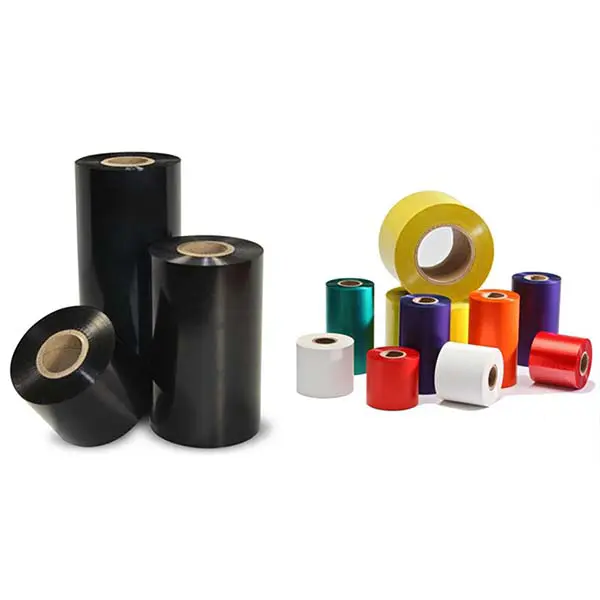
How the Thermal Transfer Process Works with Resin
The operational dynamics of printing with a premium resin ribbon differ significantly from standard wax formulations. As the ribbon and the synthetic label substrate pass beneath the thermal printhead, the piezoelectric heating elements must pulse with maximum thermal energy. This intense, localized heat conducts rapidly through the PET base film, effectively liquefying the >100°C high melting point resin polymers precisely at the point of contact.
Upon melting, the mechanical pressure from the printer’s platen roller forces the liquefied resin into the microscopic surface structure of the synthetic substrate. Unlike paper, synthetic materials like polyester (PET), polyvinyl chloride (PVC), and polyimide lack porosity. Therefore, the resin must chemically cross-link with the surface energy of the plastic film itself. As the materials exit the print zone, the pure resin-based ink formulation solidifies instantaneously, creating a highly resilient, permanent image that delivers superior image sharpness for high-density barcodes and intricate 2D matrix codes.
Applications and Target Industries
Chemical Processing and Heavy Industrial Manufacturing:
Electronics, Automotive, and Aerospace Defense:
How to Choose the Right Resin Ribbon
Selecting the optimal thermal transfer resin ribbon demands a highly systematic evaluation of your printer hardware, synthetic substrate, and the extreme environmental challenges the label will encounter. Utilizing an incorrect formulation will lead to complete system failure. Follow this comprehensive, step-by-step selection guide to determine the exact harsh environment printer ribbon required for your application.
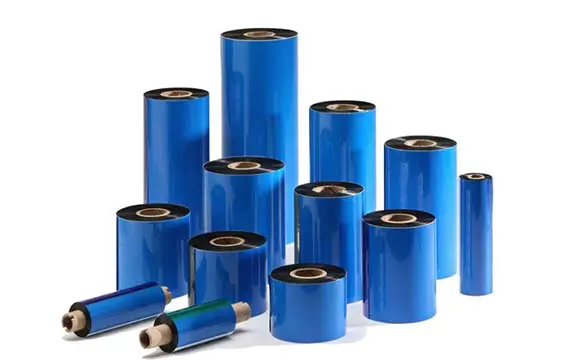
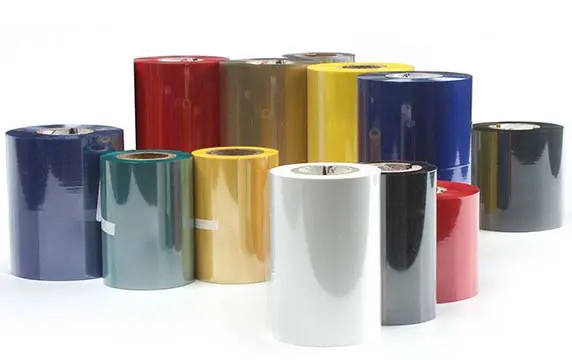
Analyze Substrate Compatibility: Resin formulations will not bond to standard paper. You must verify that your label face stock is a compatible synthetic material such as Polyester (PET), Polyvinyl Chloride (PVC), or Polyimide. The surface energy and top-coating of the synthetic film must chemically align with the specific pure resin-based ink formulation to ensure a permanent, scratch-proof bond.
Evaluate Environmental Stressors: Define the maximum operational extremes the label will face. If the application involves GHS chemical drum labeling, you must specify a chemical resistant resin ribbon tested against MEK and xylene. For printed circuit board (PCB) tracking undergoing wave soldering, only a specialized high-heat resin formulation will survive. For outdoor applications, prioritize long-term outdoor weatherability and UV resistance.
Assess Printer Hardware Constraints: Verify your printer’s exact specifications. A premium resin ribbon requires high printhead energy to achieve its >100°C high melting point. Ensure your industrial printer is capable of delivering this heat output without constantly triggering thermal fault codes. Additionally, confirm whether your printer utilizes a flat-head or a near-edge printhead, as the ribbon’s release layer chemistry must match the hardware’s architecture perfectly.
Determine Regulatory Compliance Needs: Cross-reference your industry’s specific legal mandates. If you are manufacturing medical devices, your medical device UDI labeling must adhere to strict FDA standards requiring permanent legibility. If exporting electronics to the European Union, the ribbon must be strictly RoHS compliant and Halogen-free. Ensure the ribbon holds the necessary UL 969 Recognized status when paired with your chosen substrate.
Specify Accurate Roll Dimensions: Choose the correct physical dimensions to maximize printer efficiency. Industrial cabinet printers typically require 1-inch core sizes with lengths of 110mm x 300m or 110mm x 450m. Desktop models generally use 1/2-inch cores. Always select a custom slit width that is slightly wider than your label backing liner; this prevents the abrasive edge of the synthetic substrate from grinding directly against the expensive printhead elements, effectively providing crucial anti-static printhead protection.
Frequently Asked Questions
A wax ribbon is designed for low-heat printing on porous paper for short-term indoor logistics. A resin ribbon utilizes pure synthetic polymers requiring high printhead energy to bond permanently with non-porous synthetic substrates. Resin provides extreme chemical and solvent resistance and unmatched mechanical abrasion durability, whereas wax offers virtually none.
Resin formulations require smooth, non-porous surfaces to establish a chemical bond. They perform exceptionally well on synthetic films including Polyester (PET), Polyvinyl Chloride (PVC), Polypropylene (PP), and high-temperature Polyimide (Kapton). Attempting to use a premium resin ribbon on standard uncoated paper will result in poor ink transfer and immediate flaking.
Yes, an industrial resin barcode ribbon is explicitly engineered for long-term outdoor weatherability. The pure resin-based ink formulation is inherently UV-stable and highly waterproof. When printed onto a durable PET or PVC substrate, the resulting label can withstand years of direct sunlight, freezing rain, and extreme temperature fluctuations without fading or deteriorating.
When stored in optimal conditions—typically between 41°F and 95°F (5°C to 35°C) with a relative humidity of 20% to 80%—an ultra-durable resin ribbon has a shelf life of up to 24 months. Keep the rolls in their original packaging, away from direct sunlight, chemical vapors, and high-heat sources to prevent material degradation.
Poor ink transfer with a harsh environment printer ribbon is almost always caused by insufficient heat or substrate incompatibility. Because resin has a >100°C high melting point, you must significantly increase your printer’s darkness/heat settings. If the heat is adequate, verify that you are printing on a compatible synthetic substrate, not paper.

