
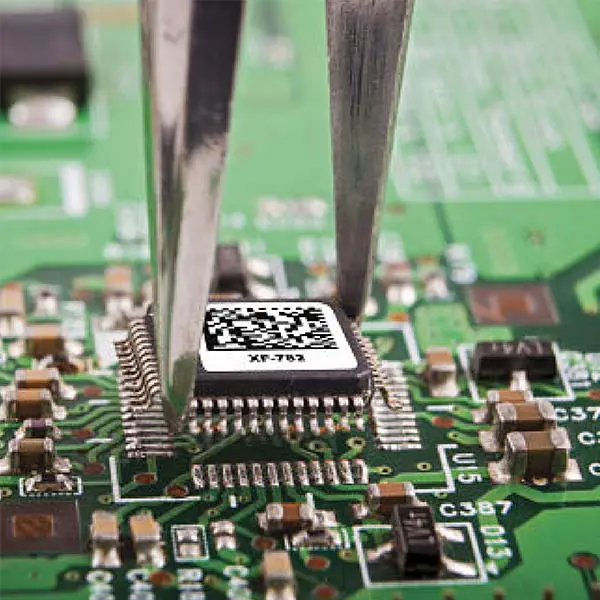
Why PCB Labels Require Specialized Materials
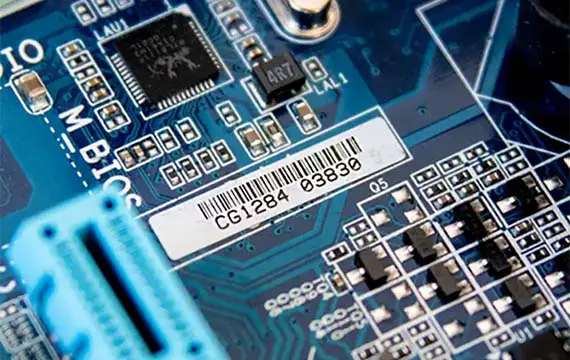
Printed circuit board manufacturing environments expose labels to conditions that exceed the limits of conventional pressure-sensitive materials. PCB labels may encounter solder reflow temperatures exceeding 250°C for short durations, aggressive cleaning solvents, abrasion during assembly, and long-term exposure to humidity or elevated operating temperatures.
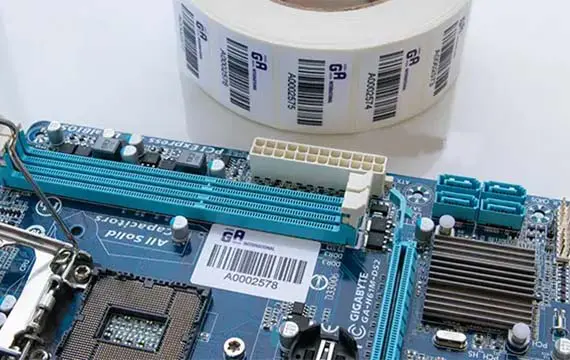
Electronics manufacturers also rely heavily on barcode and serialization systems for traceability. A damaged or unreadable label can interrupt inventory tracking, field servicing, warranty management, or regulatory documentation. In high-density PCB assemblies, labels must remain dimensionally stable and printable at very small sizes while maintaining barcode readability.
PCB surfaces themselves create additional challenges. Labels are often applied to solder mask coatings, metal heat sinks, powder-coated enclosures, anti-static packaging, or uneven electronic assemblies. Adhesives must maintain bond strength without lifting, edge curl, or adhesive bleed.
In many electronics applications, material selection is also influenced by compliance requirements such as UL recognition, RoHS restrictions, halogen considerations, and flame resistance standards. These requirements frequently determine which facestocks, adhesives, and ribbon systems can be used in production.
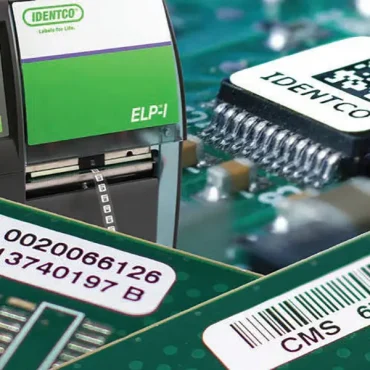
Circuit Board Label & PCB Labels Comprehensive range covering pre-reflow, post-reflow, and standard-service PCB labelling Face material options: polyimide (PI), white-coated PI, high-temp PET, standard PET Adhesive options matched to process temperature: silicone, high-temp acrylic, or standard acrylic Compatible with FR-4, ceramic, aluminium PCB, flex circuit, and component body surfaces Supports thermal-transfer, laser, and pre-printed […]
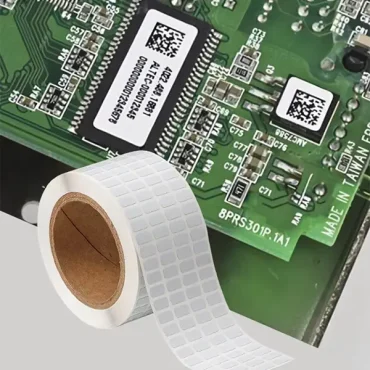
Automatic PCB Labelling Heat Resistant Labels Precision die-cut labels on accurately wound rolls for automated label applicators Consistent label gap and registration enables reliable tamp-blow and wipe-on application Polyimide face rated for lead-free SMT reflow up to 260 °C High-temperature silicone adhesive — stable, non-flowing, no outgassing at reflow White-coated polyimide face option for high-contrast […]
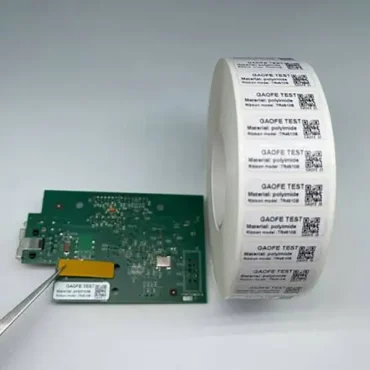
300 Degree Polyimide Labels for Semiconductor and Printed Circuit Board Manufacturing Processes Polyimide film rated for short-duration exposure up to 300 °C Survives semiconductor backend packaging processes and high-temperature cure ovens High-temperature silicone adhesive stable at continuous 260 °C and short-peak 300 °C No thermal decomposition, discolouration, or dimensional change at rated temperatures Send Your […]
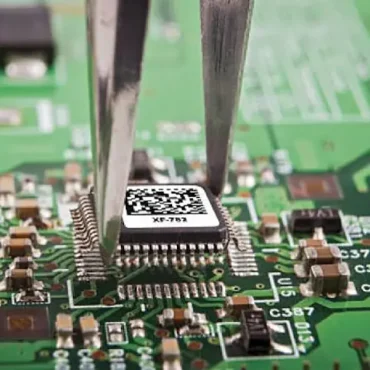
Data Matrix Polyimide Labels for PCB identification Data Matrix ECC200 code encodes high data density in a compact square symbol Polyimide base film rated for continuous and peak service to 260 °C Survives lead-free SMT reflow without code degradation or delamination White-coated polyimide face provides high print contrast for reliable 2D scan rates Supports very […]
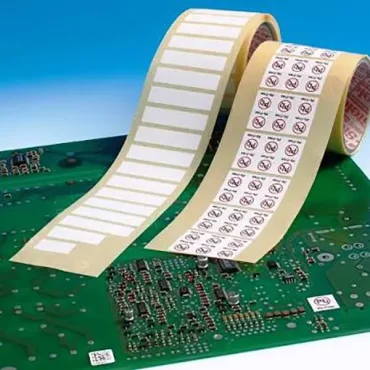
PCB Labels for Printed Circuit Board and Electronics Broad substrate compatibility: FR-4, ceramic, aluminium, and flex PCBs Heat-resistant polyimide or high-temperature polyester face material Stable adhesion through reflow, wave soldering, and cleaning processes Supports thermal-transfer, laser, and pre-printed barcode and QR code formats Available with sequential serial numbers, Data Matrix, Code 128, or QR codes […]
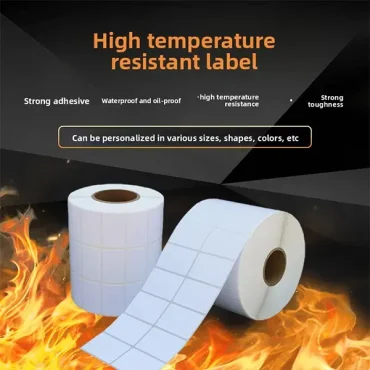
PCBs Labels Heat Resistant Labels Withstands SMT reflow soldering peak temperatures up to 260 °C Polyimide or high-temperature polyester face material options High-temperature silicone or acrylic adhesive — no bleed, no char Dimensionally stable through thermal cycling — no curl or shrinkage Compatible with thermal-transfer (resin ribbon) printing for permanent legends Send Your Inquiry Now […]
Key Material Properties for PCB Labels
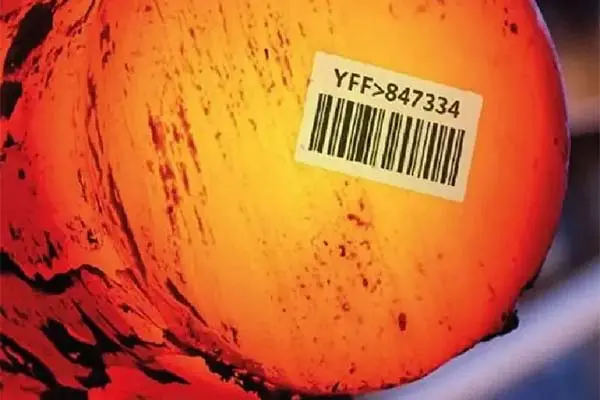
PCB labels commonly pass through lead-free solder reflow processes where temperatures may briefly reach 260°C. Materials must resist shrinking, discoloration, adhesive failure, and barcode distortion during these cycles.
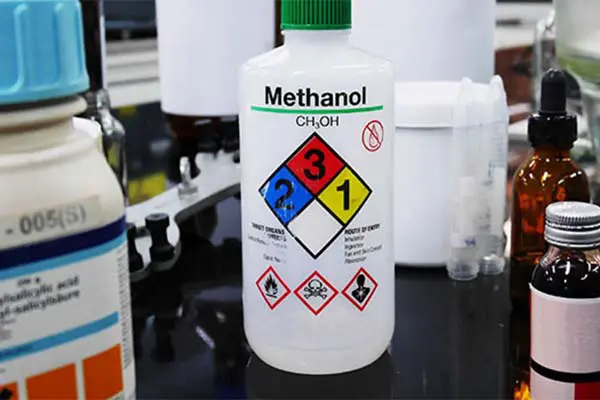
PCB labels generally require topcoated film constructions compatible with thermal transfer printing and resin ribbons. ASTM solvent resistance testing or internal chemical exposure validation is commonly reviewed during qualification.
Film materials with low thermal expansion characteristics are typically preferred for electronics traceability applications. Stable liner release performance is also important during automated dispensing.

Acrylic permanent adhesives are commonly selected because they offer balanced heat resistance, aging performance, and chemical durability. Engineers often review peel adhesion values, shear resistance, and operating temperature ranges during evaluation.
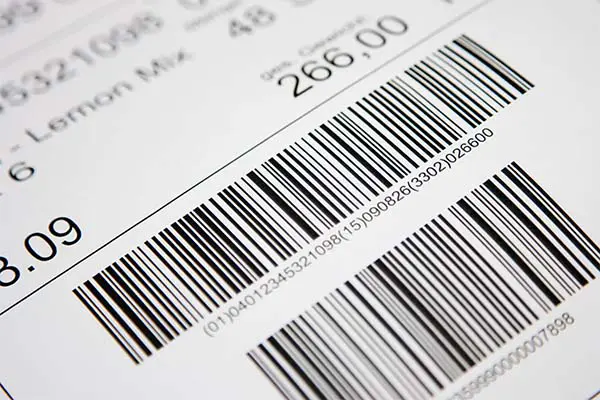
Thermal transfer printable topcoats paired with resin ribbons are widely used for PCB labels because they provide durable image performance against solvents and abrasion. UL-recognized print systems are frequently specified for compliance-sensitive products.
Low-outgassing materials and clean-removal liner systems are commonly preferred in precision electronics production areas, especially in automated assembly operations.
Common PCB Label Applications
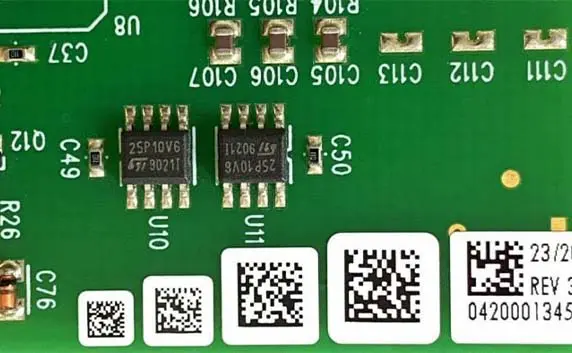
These labels are typically applied directly onto bare boards or assembled PCBs to support serialization and manufacturing traceability. They must survive solder reflow, wave soldering, cleaning operations, and long-term field use.Typical constructions include polyimide film with high-temperature acrylic adhesive and thermal transfer printable topcoats designed for resin ribbons.
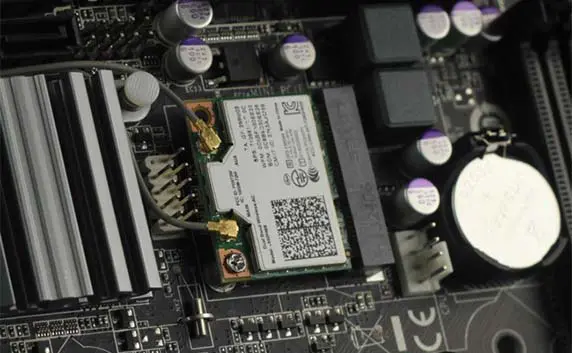
Small-format labels are often used on electronic components, trays, reels, and anti-static packaging. These labels must maintain readability despite dense information layouts and automated handling systems.Polyester film materials are commonly used where extreme reflow exposure is not required but dimensional stability and barcode clarity remain important.
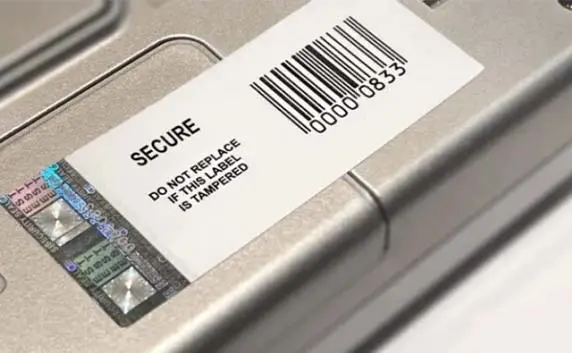
Warranty protection and anti-counterfeit programs may require labels that visibly indicate removal attempts. These labels are used on electronic housings, access panels, and calibration-protected components.Destructible vinyl or tamper-evident polyester materials are commonly selected for applications requiring visible evidence of unauthorized access.
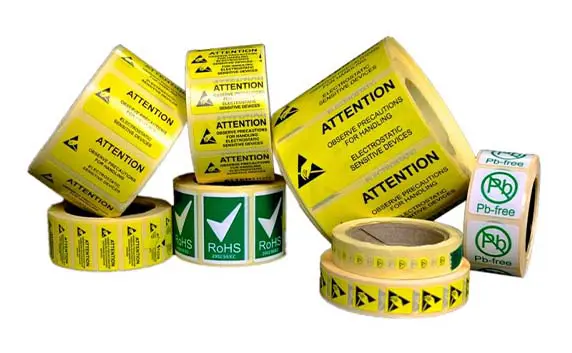
Electrostatic discharge warnings, handling instructions, and hazard communication labels are commonly used throughout electronics manufacturing and packaging operations.These labels generally require clear print quality, chemical resistance, and compatibility with anti-static packaging systems.
Regulatory & Compliance Considerations
UL 969: Covers marking and labeling systems used on electronic products. Materials may require UL recognition for adhesion, legibility, and permanence under defined environmental conditions.
RoHS: Restricts certain hazardous substances in electrical and electronic equipment. Label constructions used in electronics manufacturing are often evaluated for RoHS compliance requirements.
REACH: European chemical regulation affecting substances used in label materials, adhesives, and coatings. Buyers may request supplier declarations for compliance documentation.
IPC Standards: Electronics manufacturers commonly follow IPC handling and traceability practices that influence barcode quality, label placement, and durability requirements.
CSA and CE Marking Requirements: Product identification labels for global electronics markets may need to support regional certification markings and durability expectations.
Frequently Asked Questions
Most general-purpose polyester labels cannot withstand lead-free reflow temperatures without distortion or adhesive failure. Polyimide label constructions are typically used for direct PCB reflow exposure.
High-performance acrylic adhesives are commonly selected because they provide balanced heat resistance, chemical durability, and long-term adhesion on electronic surfaces.
Resin ribbons provide higher resistance to solvents, abrasion, and elevated temperatures compared with wax or wax-resin formulations commonly used in less demanding environments.
Many electronic products require UL-recognized labeling systems for compliance and product safety documentation, especially for rating plates and permanent product identification labels.
Service life depends on environmental exposure and material construction, but electronics traceability labels are commonly designed to remain legible for the operational life of the device.

