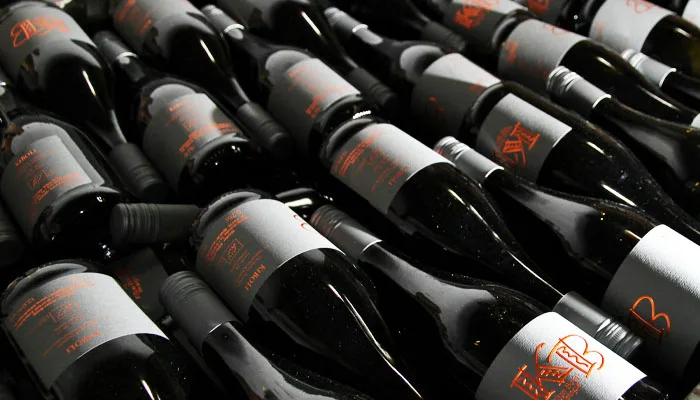
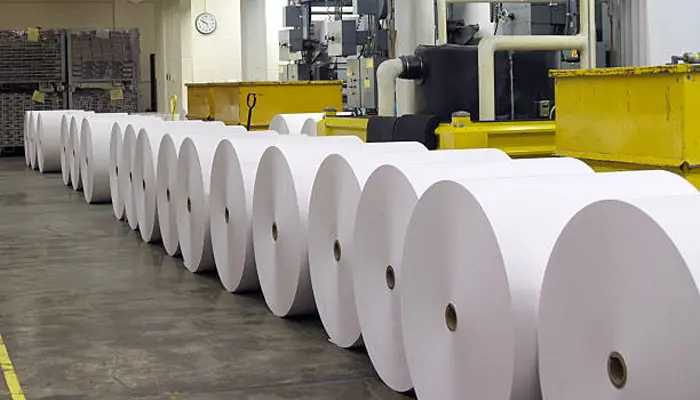
BOPP stands for Biaxially Oriented Polypropylene, and to put it simply, it is the absolute gold standard when you need a label that just wont quit. Essentially, it is a plastic film that has been stretched in two different directions–both the machine direction and the transverse direction–during the manufacturing process. This biaxial orientation is what gives the material its superpowers. Honestly, I find the chemistry behind it fascinating because that stretching process realigns the polymer chains, making the film incredibly clear, stiff, and resistant to oil and water. It’s not just regular plastic; it is engineered for performance. Whenever I look at a high-end cosmetic bottle or a beverage container, I can almost guarantee it is using BOPP because of that crystal clarity and tensile stength. It is rigid yet flexible enough for automatic dispensing, which makes it a dream for manufacturers. So, if you are looking for a material that fights off moisture and looks pristine on the shelf, BOPP is exactly what you are after. I get genuinely excited talking about it because it solves so many packaging headaches simply by being tougher than standard polypropylene.
What does bopp label mean?
When we ask what a BOPP label actually means, we are really diving into the specific mechanical history of the material itself. The acronym stands for Biaxially Oriented Polypropylene, which sounds like quite a mouthful, doesn’t it? But the definition is hidden right there in the name. ” Biaxially oriented ” means that during the manufacturing process, the polypropylene film is stretched in two perpindicular directions: the machine direction and the transverse direction. I find this process absolutly fascinating because it aligns the polymer chains in a way that regular cast polypropylene just can’t match. It is not just a piece of plastic; it is a material that has been engineered for clarity, stiffness, and incredible tensile strength. Honestly, whenever I see a label that resists tearing and looks perfectly clear on a container, I know that biaxial orientation is doing the heavy lifting. It essentially means you are choosing a film that has been physically forced to be tougher and more resistent to chemicals and moisture than its peers. It is the reliable workhorse of the label world!
What is the difference between shrink label and Bopp label?
The main distiction here really boils down to application method and container geometry. I get asked this constantly, and it is crucial to understand that BOPP labels are typicall applied using a hot melt adhesive on a roll-fed machine, essentially wrapping around a cylindrical container like a soda bottle. They don’t shrink much. On the other hand, shrink labels–often made of PVC or PETG–are slipped over the container as a sleeve and then sent through a heat tunnel to conform tightly to every curve and contour. It is fascinating to watch! While BOPP is fantastic for straight-walled containers and high-speed efficiency, it simply cannot hug a hourglass shape the way a shrink sleeve can. I honestly prefer BOPP for cost-effectiveness, but if you have a complex bottle design, shrink is the only way to go. You are trading off the ease of a simple wrap for the 360-degree contouring capabilty of heat shrink.
Are Bopp labels waterproof?
Absoluteley, yes! To be specific, BOPP is inherentley hydrophobic, meaning it naturally repels water rather than absorbing it like a sponge. I have seen people confuse water-resistant with waterproof, and it drives me bonkers because there is a distinct difference. The polymer structure is impervious to moisture, so the face stock itself will never turn to mush in an ice bucket or a shower. However, and this is a big however — the adhesive is the real variable here. If you pair a waterproof film with a water-soluble glue, you are asking for trouble. I feel confident saying that for most shampoo bottles or beverage containers, BOPP is the undisputed king of wet environments because it maintains its structural integrity. It just won’t disintergrate.
What is the difference between vinyl and Bopp?
Comparing Vinyl and BOPP is like compairing a tank to a racecar; they are built for completely different arenas. Vinyl is thick, soft, and surprizingly pliable thanks to added plasticizers. I love it for bumper stickers because it survives harsh sunlight and rain without cracking. However, it is decidedly overkill for most packaging! BOPP is significantly thinner and stiffer, which makes it ideal for high-speed automatic dispensers that would just jam up with soft vinyl. It bothers me when people confuse the two because BOPP is generally food-safe and cheaper, while vinyl is a chemically heavy material best left for industrial or outdoor use. The cost difference alone should make you pause.
Is bopp the same as vinyl?
Absolutely not, and honestly, it makes my skin crawl a little when I hear them used interchangably! They are distinctly different beasts in the chemical zoo. Vinyl is essentially Polyvinyl Chloride–PVC–which is loaded with plasticizers to make it flexable and soft. It feels heavy and substantial in your hand, almost rubbery. BOPP, on the flip side, is Polypropylene that has been stretched to be stiff, thin, and crinkly. Useing vinyl for a high-speed machine applicator is a disaster waiting to happen because it is just too floppy and soft. I love vinyl for outdoor stickers that need to last for years on a car bumper, but for high-volume product labels? It is overkill and frankly, a bit messy regarding the enviroment. BOPP is the efficient, recycable choice for packaging. They simply aren’t the same creature at all.