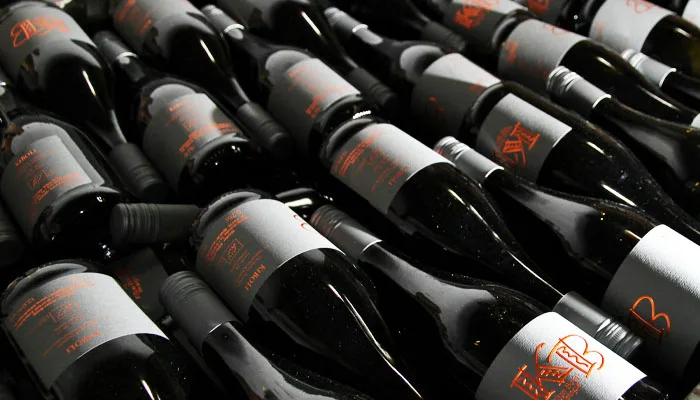
Label stock–or pressure-sensitive material, if you want to be precise–is the multi-layered construction used to create adhesive labels. I often find myself marveling at the sheer engineering tucked into such a thin profile. It isn’t just “paper with glue”; it’s a sophisticated triplex of a facestock, a pressure-sensitive adhesive, and a silicone-coated release liner.
When you touch a high-quality synthetic stock, there’s this tactile satisfaction that just feels… right. The facestock is what you actually see and print on–think bopp, vinyl, or thermal paper–while the adhesive is the unsung hero doing the heavy lifting. Choosing the wrong combination is a nightmare I’ve seen too many times, leading to “flagging” or total adhesion failure. It’s quite fascinating how these layers work in tandem to survive humidity or extreme cold.
Seriously, the chemistry involved in making sure the label stays put but the liner peels away cleanly is nothing short of wizardry. Sometimes, I think people overlook the complexity of the liner–that bottom layer–but without its precise silicone coating, the whole thing would be a sticky, unusable mess. It’s the foundational element for the entire labeling industry, period.
What is label stock paper?
When I dive into the world of label stock paper, I’m essentially talking about the most ubiquitous substrate in the entire labeling universe. It’s a specific breed of paper engineered to carry an adhesive back while maintaining a pristine front surface for ink absorption. I often feel a sense of nostalgia when handling high-grade semi-gloss paper because it’s the workhorse that built the industry!
Unlike standard office paper, this material must possess high internal strength to resist tearing during the high-speed die-cutting process. If the fibers are too weak, you’re looking at a catastrophic failure on the production line–a real headache for any manufacturer. The variety is staggering, ranging from matte litho to cast-coated high gloss, each with its own distinct tactile personality and “ink-thirst.” I’ve noticed that people frequently underestimate the technical sophistication required to make a paper that won’t curl when exposed to moisture. It’s a delicate equilibrium between cellulose fibers and chemical coatings.
Frankly, it’s quite impressive how these paper stocks manage to look so elegant while enduring the friction of mechanical rollers. Ensuring the opacity is just right–so the substrate underneath doesn’t show through–is another layer of this complex puzzle. Choosing a paper stock isn’t just a budget decision; it’s about choosing the “skin” of your product’s identity. Getting it wrong is a recipe for disaster, but getting it right is pure alchemy.
What is the purpose of labeling stock?
The fundamental purpose of labeling stock–at least from my perspective in the trenches of material science–is to act as a bridge between a physical product and the vital data it must carry. I feel a genuine rush of excitement when I see a perfectly applied label, knowing it’s performing a dozen tasks at once! Primarily, it’s about identification and traceability; without a robust stock, logistics would crumble into absolute chaos.
Moreover, it serves a critical protective role, shielding the message from grease, sunlight, orabrasion. It’s not just about looking pretty–though shelf appeal is a massive driver–it’s about ensuring that safety warnings and barcodes remain legible throughout the entire lifecycle. If the stock fails, the communication chain breaks, which is quite frankly terrifying in industries like pharmaceuticals or chemical shipping.
I’ve always believed that the choice of stock communicates a brand’s integrity; a flimsy, peeling label screams neglect, while a durable material suggests quality and reliability. Ultimately, we’re talking about a vehicle for information that must survive harsh environments while remaining aesthetically pleasing. It’s the “silent salesman” and the “data vault” all rolled into one thin, sophisticated laminate. Getting the material right isn’t just a technicality–it’s the backbone of global commerce.
What is a stock material?
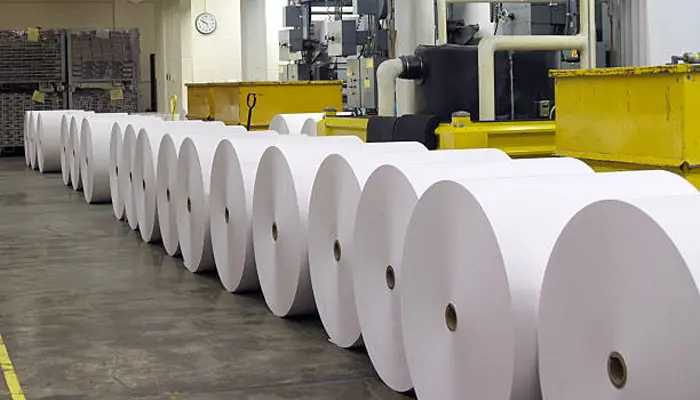
In my line of work, a stock material is the “base” or “parent” roll of media that we use to manufacture everything else. It’s essentially the bulk form of a product before it undergoes customization or specific finshing. I often think of it as the raw canvas of the industrial world. When I’m looking at a massive jumbo roll of material, I’m seeing the culmination of chemical and mechanical engineering ready for the press. It’s the raw substance–whether it’s film, paper, or even some exotic mettalized foil–that serves as the foundation for the finished label. It’s not just a blank sheet; it’s a carefully engineered substrate with specific properties like tensile strength and surface energy.
To be honest, there’s something quite poetic about a material that is designed to be universal yet adaptable enough for a thousand different uses. It’s the “blank slate” that eventually becomes the face of a product. If you choose a subpar stock material, the final result will always be lackluster, no matter how good the printing is. Essentially, it’s the core ingredients before the chef starts cooking! I’ve spent years analyzing the microscopic topography of these stocks, and I can tell you, the difference between a premium stock and a bargain-bin version is night and day.
What are the 4 types of labels?
Pressure-sensitive labels
In the labeling universe, we generally categorize things into four distinct buckets based on how they actually stick to a surface. First, you’ve got pressure-sensitive labels (PSLs). These are the absolute kings of the industry because they’re basically high-tech stickers. You apply light pressure–hence the name–and the adhesive bonds to the substrate. No heat, no water, no solvent required. It’s a tri-layer sandwich: the facestock, the adhesive, and the release liner that you peel away and toss. Honestly, the sheer variety of PSLs is mind-boggling, ranging from paper to synthetic films like BOPP or PET. It’s truly fascinating how a simple squeeze creates a permanent bond!
Shrink sleeve labels
Then there are shrink sleeve labels, which are basically the cool, modern cousins of the group. You print on a plastic film–usually PVC or PETG–shape it into a tube, and slide it over a container. Once you hit it with heat, it shrinks to fit the exact contours of the bottle. It provides 360-degree coverage, which is a total game-changer for branding. It feels almost magical watching a loose sleeve tighten around a curvy bottle in a heat tunnel. Most people don’t realize how much engineering goes into getting that shrink ratio just right so the graphics don’t look all wonky and distorted.
Glue-applied (wet-glue) labels
Third on the list is glue-applied (wet-glue) labels. These are the old-school legends you see on beer bottles or canned soup. They don’t have adhesive on them when they’re printed. Instead, a machine slathers liquid glue onto the back of the paper right before it hits the container. It’s incredibly cost-effective for massive production runs, though it can be a bit messy if the equipment isn’t dialed in. I’ve always found the mechanical precision of a high-speed wet-glue labeler to be hypnotic, even if it feels a bit antiquated compared to modern film technologies.
In-mold labels
Finally, we have in-mold labels (IML). This process is fundamentally different because the label actually becomes part of the container itself. You place a pre-printed film into a plastic mold before the resin is injected. When the plastic cools, the label is fused into the wall of the packaging. It’s seamless–literally. You can’t peel it off, and it’s incredibly durable against moisture and scuffing. While the initial setup is pricey, the result is a premium, integrated look that feels very sophisticated. It’s the ultimate choice for high-durability items like laundry detergent jugs or margarine tubs.