
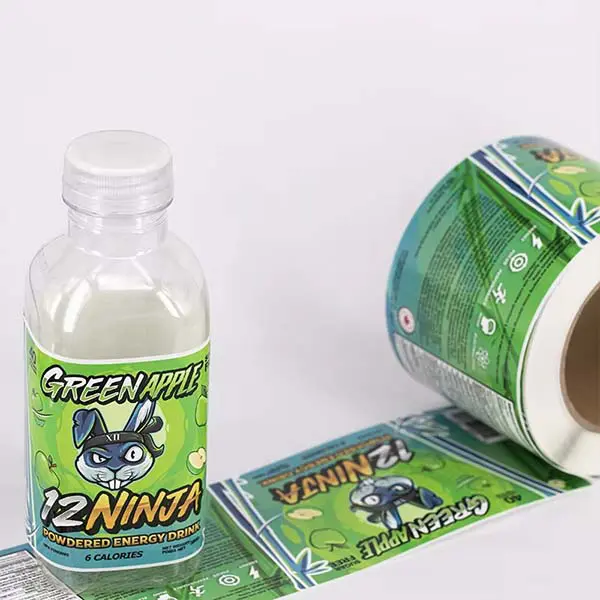
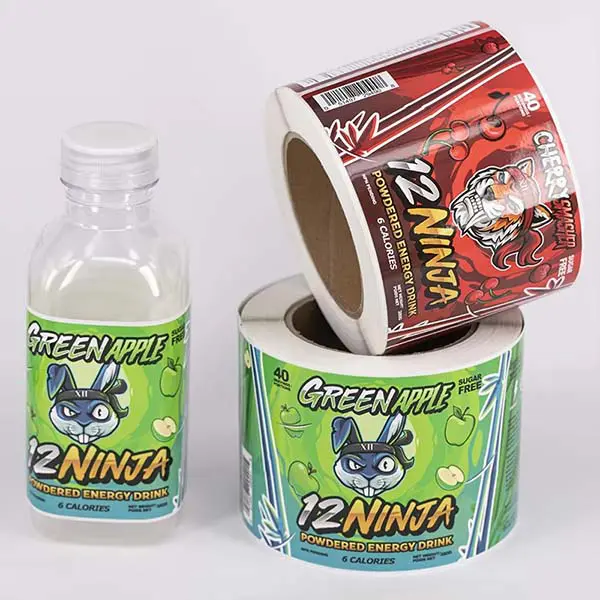
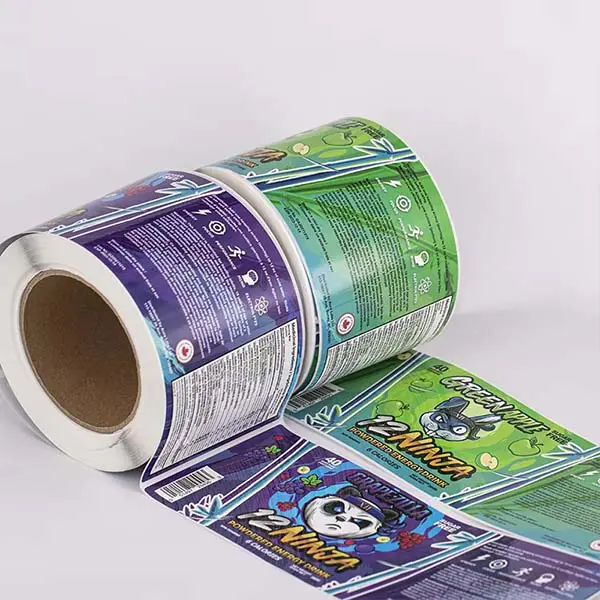
Digital Printing Labels For Food And Beverage Packing
- High-resolution digital print (up to 1200 dpi) for photographic image quality
- No plate costs — economical from very short runs to medium volumes
- Variable data printing: unique barcodes, batch codes, QR codes per label
- Fast turnaround — typically 5–10 business days from artwork approval
- Food-safe inks and substrates compliant with FDA 21 CFR guidelines
Digital Printing Labels For Food And Beverage Packing Features
Digital Printing Labels For Food And Beverage Packing represent the most flexible label production technology available to food and beverage brands today. Unlike traditional flexographic or offset processes that require physical printing plates and minimum impression quantities to justify setup costs, digital print—using UV inkjet or electrophotographic (toner-based) systems—transfers artwork directly from a digital file to the label substrate.
This eliminates plate-making lead time and cost entirely, enabling Vizlent to offer economically viable production from quantities as low as 100 labels per SKU, making new-product launches, seasonal variants, and regional packaging editions commercially feasible for brands of all sizes.
The digital process also enables true variable data printing on every label in a run, allowing each unit to carry a unique barcode, lot number, best-before date, or QR code with no reduction in press speed.
Ink systems used by VIZLENT are cured to resist moisture, abrasion, and the typical supply-chain handling conditions of food and beverage distribution. All substrates and inks available in our digital production program comply with FDA 21 CFR requirements for indirect food contact, and we can confirm EU food-contact compliance for export-market orders on request.
Specifications
| Item | Digital Printing Labels For Food And Beverage Packing |
|---|---|
| Brand | Vizlent |
| Print Technology | UV inkjet digital; electrophotographic (toner) digital |
| Print Resolution | Up to 1,200 dpi (inkjet); 800–1,200 dpi (electrophotographic) |
| Substrate Options | White BOPP, clear BOPP, white PET, white paper, kraft paper |
| Adhesive Type | Permanent acrylic (standard); removable; freezer-grade; ultra-high-tack |
| Color Capability | Full color CMYK; extended gamut (CMYK + OGV); white ink base coat |
| Finish | Gloss laminate, matte laminate, soft-touch, aqueous overcoat |
| Variable Data | Barcodes (1D/2D), QR codes, lot numbers, dates, sequential numbering |
| Temperature Range | –40 °C to +70 °C (freezer to ambient; adhesive dependent) |
| Regulatory Compliance | FDA 21 CFR indirect food contact; EU 1935/2004 on request |
| Delivery Format | Roll (core 25/38/76 mm), sheet, fanfold; label pitch customizable |
| MOQ | 100 labels per design (digital short run); no plate fees |
| Sample | Digital proof standard; physical pre-production sample available |
| Payment Term | T/T or PayPal; full payment for small orders; deposit for bulk |
| Production Time | 5–10 business days after artwork approval |
Applications:
Craft food and beverage brand labels; limited-edition and seasonal product runs; new-product test-market labels; multi-SKU variety pack labeling; retailer private-label short runs; nutritional supplement and health food product labels; allergen and ingredient revision label updates; export market regulatory versioning.
You May Also Need
-
Digital Printing Labels for Food and Beverage Packing from Vizlent deliver sharp color, short-run flexibility, and food-safe materials for every brand size.
-
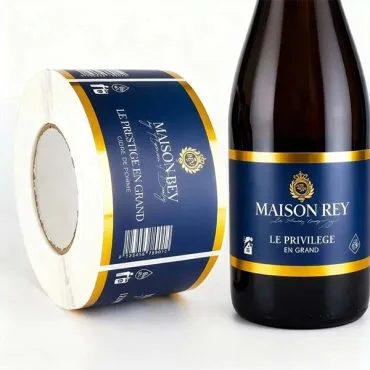
Custom Adhesive Wine Bottle Labels for Wedding from Vizlent: personalized designs, premium finishes, and reliable adhesion for memorable event branding.
-
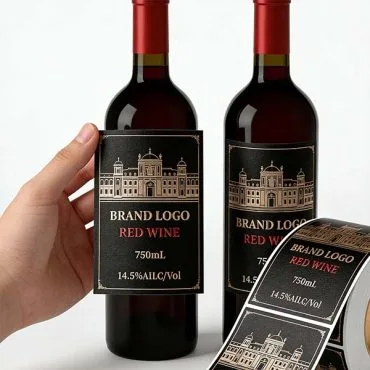
Customized Wine Bottle Labels from Vizlent feature waterproof materials, premium print finishes, and strong adhesive for wineries and private-label wine brands.
-
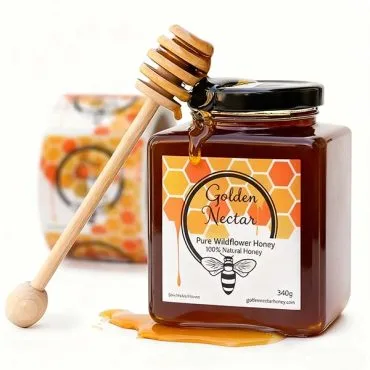
Customized Printed Personalised Glass Jar Labels by Vizlent: vibrant, moisture-resistant designs that adhere firmly to glass for food and cosmetic products.
-
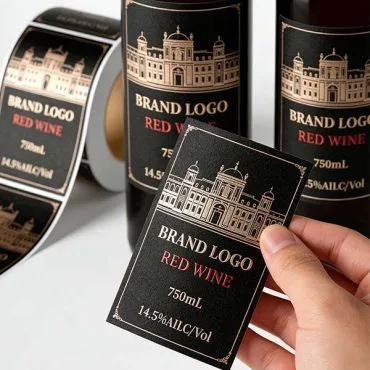
Customized Luxury Hot Stamping Foil Wine Labels from Vizlent deliver elegant metallic finishes, sharp detail, and strong adhesion for premium wine bottles.
-
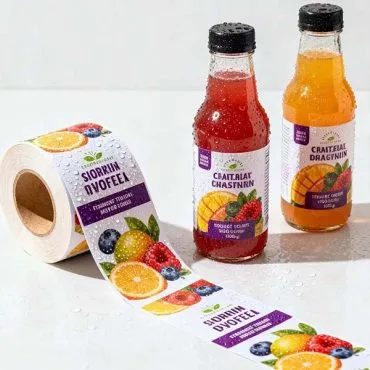
Custom Labels for Food & Beverage Industry by Vizlent: FDA-compliant, moisture-resistant, and fully customizable for bottles, cans, and packaging.
-
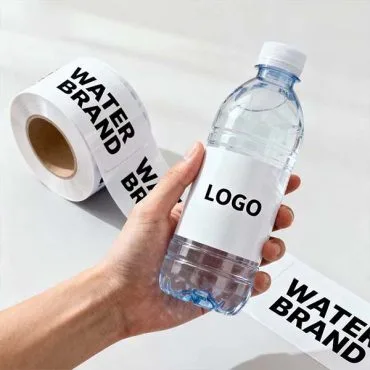
Vizlent Beverage Labels offer durable, waterproof adhesion and vibrant print clarity for bottles, cans, and cartons across food and drink industries.
Frequently Asked Questions
Digital printing supports full customization with no plate cost, meaning you can produce multiple label versions—different flavors, languages, SKU designations, or regulatory text—in a single production run without reprinting plates. Each version can also include unique variable data fields such as lot numbers, best-before dates, barcodes, and QR codes. VIZLENT’s pre-press team will confirm color accuracy against your brand standards using a digital proof before any labels are printed.
Modern UV inkjet and electrophotographic digital printing produces output at 800–1,200 dpi, delivering photographic-quality images, sharp fine text, and smooth tonal gradients that are visually equivalent to or better than standard flexographic printing for most food and beverage label applications. The primary difference is in metallic and specialty ink availability: foil effects and certain PMS spot colors are more economically achieved through offline finishing or a hybrid digital-foil process, which we also offer.
Our digital label production accepts orders from just 100 labels per design, with no plate fees or make-ready surcharges, making it the most cost-effective solution for small batches, new product launches, and SKU variations. Standard lead time is 5–10 business days from confirmed artwork approval. For recurring programs, we can establish a standing order or Kanban schedule that keeps your label inventory current without requiring large upfront stock commitments.
Yes. All substrates, adhesives, and cured UV inks used in VIZLENT’s digital food and beverage label production are selected to comply with FDA 21 CFR requirements for indirect food contact. For products sold in the European Union, we can supply materials meeting EC Regulation 1935/2004 and provide material declarations upon request. We recommend that customers consult their own regulatory compliance team with the material safety data sheets we provide to confirm suitability for their specific product and market.
VIZLENT digital labels are produced on rolls wound to your labeling machine specifications—core diameter, maximum roll diameter, label pitch, and wind direction—ensuring direct compatibility with high-speed rotary, linear, and wrap-around labeling equipment used in food and beverage manufacturing. For thermal-transfer print-and-apply systems, we also supply fanfold formats on demand. Consistent liner release values across each roll batch minimize downtime caused by inconsistent peel force on automated dispensing systems.

