
What Are Vulcanized Label Systems?
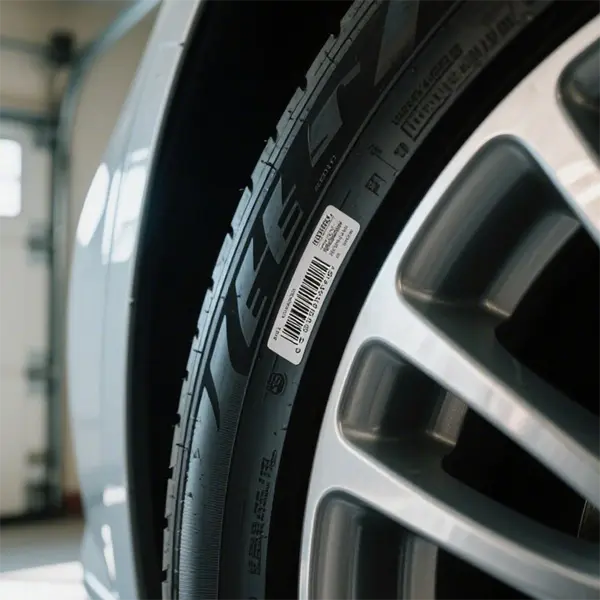
A vulcanized label is a specialized identification label embedded into rubber during the vulcanization process, creating a permanent bond that cannot be peeled or removed without damaging the substrate.
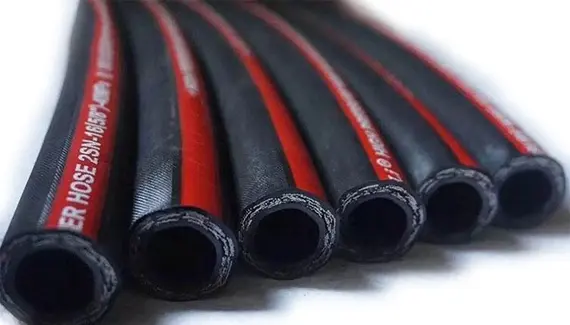
Unlike pressure-sensitive labels that rely on adhesive, vulcanized labels chemically bond with rubber substrates during curing. This integration ensures long-term durability, making them essential for applications such as vulcanized tire labels, industrial hoses, and rubber gaskets. These labels are typically constructed with engineered films, coatings, and compatible substrates designed to withstand high temperatures and pressures during vulcanization.
Furthermore, vulcanized label systems support multiple printing processes including thermal transfer, screen printing, and digital printing. This enables high-resolution data such as barcodes, serial numbers, and compliance markings to remain intact throughout the product lifecycle. As a result, industries requiring asset tracking, inventory management, and regulatory compliance increasingly rely on vulcanized label technologies.
Vulcanized labels are defined by their high tensile strength, chemical-resistant coatings, and exceptional service life. Their laminate structure ensures zero migration of inks or adhesives, preserving legibility in harsh environments. These labels are also engineered with precise thickness and flexibility to match rubber expansion during curing.
During the vulcanization process, heat and pressure activate cross-linking within rubber compounds. Vulcanized labels are placed into molds or applied to green rubber before curing. The label substrate integrates into the rubber matrix, forming a unified structure that eliminates peel strength concerns and ensures long-term durability.
Technical Specifications and Compliance for Vulcanized Label
| Bonding Method | Chemical integration |
| Temperature Range | -40°C to 200°C |
| Chemical Resistance | High |
| Durability | Permanent |
Performance Standards
Vulcanized label products are engineered to meet industry standards such as UL 969, ANSI Z535, OSHA 1910.144, and ISO 3864. These standards ensure label durability, safety compliance, and readability under extreme conditions.
Certifications
VIZLENT vulcanized label solutions are manufactured using ISO-certified processes and tested for compliance with international regulations. Certification ensures compatibility with global markets including the US, EU, and Southeast Asia.
Types and Variations of Vulcanized Label
Vulcanized label products are available in multiple configurations to meet different industrial requirements. Selection depends on application conditions, rubber type, and compliance requirements.
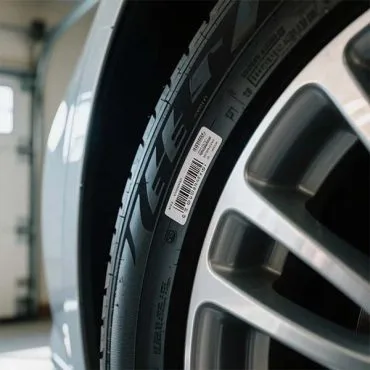
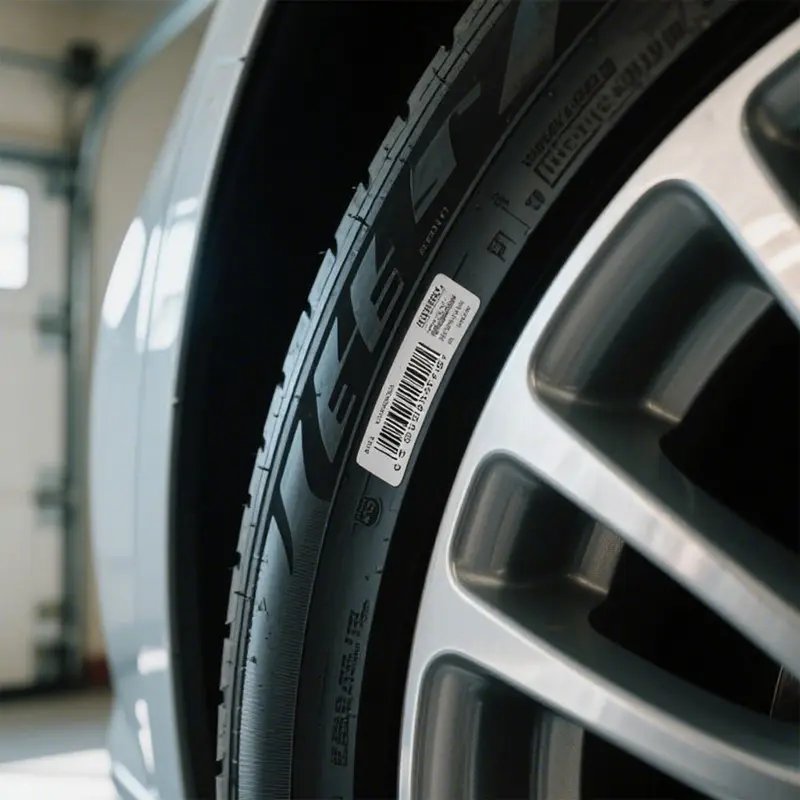
Vizlent Strong Adhesive Car Tyre Vulcanization Barcode Label survives 200°C curing, bonds to rubber, and stays scannable through the full tire production process.

Engineered specifically for tire manufacturing and industrial rubber processing, these specialized labels are designed to survive the extreme heat, pressure, and chemical reactions of the curing mold.
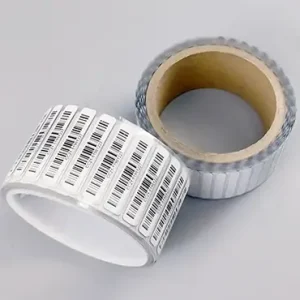
Designed specifically for green tire identification, these labels withstand high curing temperatures and maintain barcode readability. They are widely used in tire manufacturing and retreading processes where traceability is critical.
Vulcanized Label Applications and Industries
How to Choose the Right Vulcanized Label
- Identify rubber type and curing temperature requirements
- Determine required resistance (chemical, abrasion, weatherproof)
- Select appropriate substrate and coating materials
- Evaluate printing method compatibility (thermal transfer, screen)
- Confirm compliance with industry standards (UL, ISO, OSHA)
- Assess supplier capabilities and customization options
Choosing the correct vulcanized label requires balancing performance specifications with operational requirements. VIZLENT provides consultation services to help B2B buyers optimize label selection for their specific applications.
You May Also Need
-
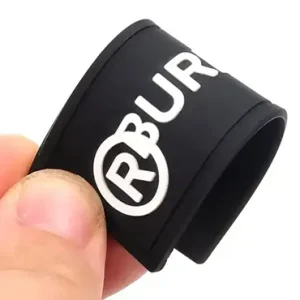
Molded silicone or rubber construction with raised 3D text or logo; withstands UV, abrasion, and moisture. Used for brand badges on apparel, footwear, luggage, and outdoor equipment.
-
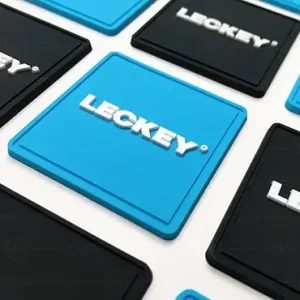
Flexible PVC construction with tactile or embossed finish; resistant to UV, abrasion, and moisture. Used for brand decoration on bags, footwear, and outdoor apparel in retail markets.
-
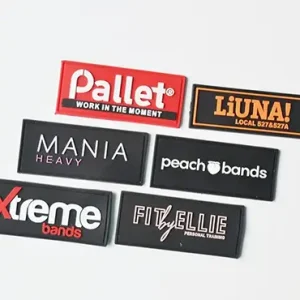
Flexible silicone or rubber facestock adheres to fabric and textured surfaces; resists repeated washing. Suited for garment identification, school uniforms, and institutional clothing management.
-
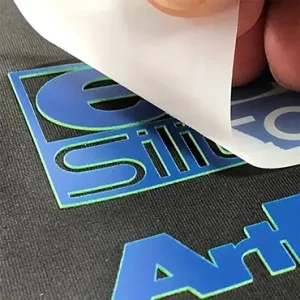
Heat-applied flexible rubber transfers bond directly to fabric without a carrier. Used for seamless branding on sportswear, hosiery, and performance apparel requiring soft-hand finishes.
-
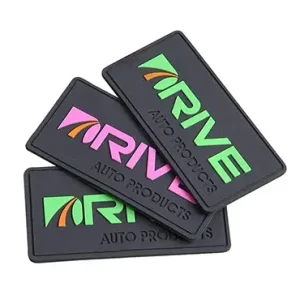
Injection-molded silicone or PVC with multilevel raised relief; UV- and abrasion-resistant. Applied to apparel, footwear, and hard goods as a premium decorative brand identifier.
-
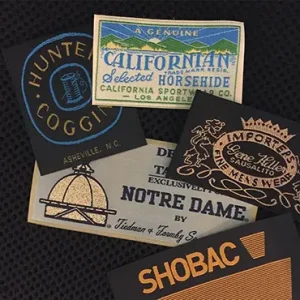
Soft, flexible silicone or TPU construction provides comfort against skin in direct-contact garment applications. Used for brand identification and care instructions in sportswear and premium apparel.
Frequently Asked Questions
Vulcanized labels are used for permanent identification in rubber products such as tires, hoses, and gaskets. They are embedded during curing, ensuring long-term durability and resistance to harsh conditions.
Unlike adhesive labels, vulcanized labels integrate into rubber through chemical bonding. This eliminates peeling and provides superior durability in high-temperature and chemical environments.
Common industries include tire manufacturing, automotive components, industrial rubber production, and logistics. These sectors require reliable identification for tracking and compliance.
Yes, high-quality vulcanized labels meet standards such as UL 969, ANSI Z535, and ISO certifications, ensuring global regulatory compliance.
Evaluate suppliers based on manufacturing experience, customization capability, certification compliance, and global delivery capacity. Direct manufacturers like VIZLENT offer better control over quality and cost.

