
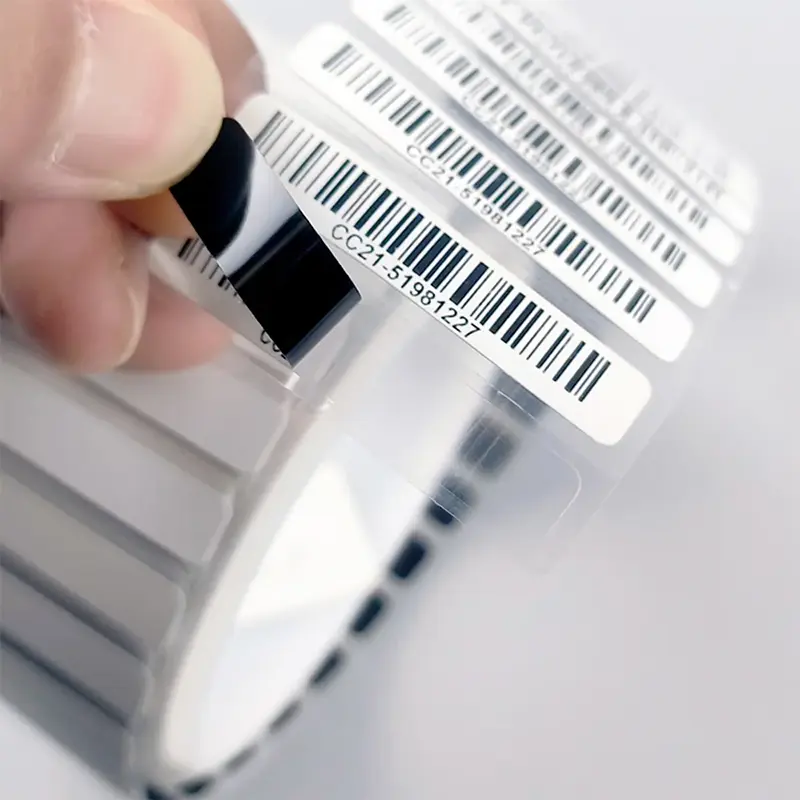
Vulcanization Resistant Labels
- Ensure seamless, cradle-to-grave traceability for your rubber products with VIZLENT vulcanization resistant labels.
- Engineered specifically for tire manufacturing and industrial rubber processing, these specialized labels are designed to survive the extreme heat, pressure, and chemical reactions of the curing mold.
- Fully optimized for thermal transfer printing, VIZLENT labels guarantee high-contrast, scannable barcodes and pristine variable data post-cure, delivering flawless compliance and inventory tracking for your most demanding manufacturing workflows.
Advanced Co-Vulcanization Technology
Standard adhesives fail under extreme manufacturing conditions.
VIZLENT labels are engineered to be applied to “green” (uncured) rubber before entering the press.
During the curing process, the label chemically cross-links with the rubber substrate.
This co-vulcanization creates a permanent, indestructible bond, ensuring your tracking barcodes will never peel, flake, or detach during the product’s entire lifecycle.
Extreme Heat and Pressure Resistance
The rubber vulcanization process is incredibly brutal, subjecting materials to temperatures exceeding 200°C (400°F) and massive hydraulic pressure.
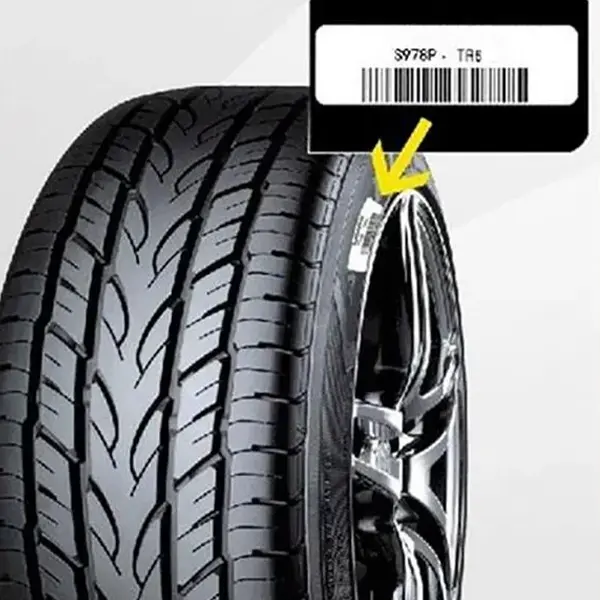
Our heavy-duty tire barcode labels are constructed from specialized high-temperature polymers that will not melt, shrink, or discolor in the mold, maintaining flawless structural integrity from the factory floor to the final customer.
Smudge-Proof Post-Cure Readability
Maintaining strict supply chain traceability is critical for tire and automotive parts manufacturers.
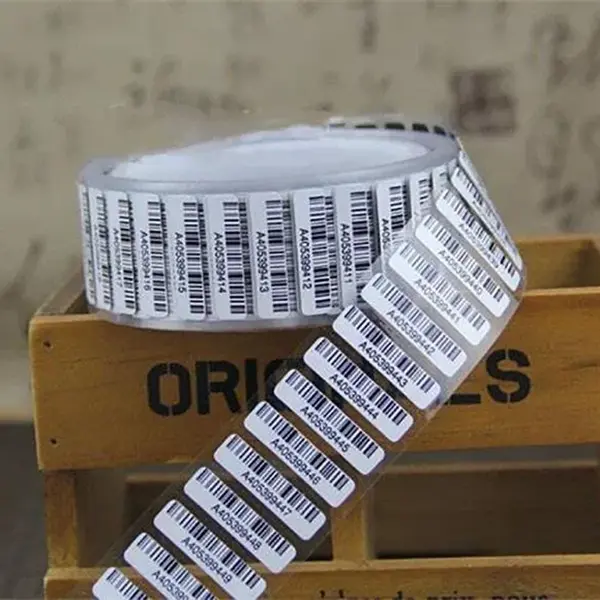
Optimized for high-performance thermal transfer printing with resin ribbons, our labels ensure that serialized variable data, 2D barcodes, and QR codes remain crystal clear and highly scannable, even after enduring the harsh friction and heat of the vulcanization press.
Versatile Industrial Rubber Applications
From passenger tire bead labeling to heavy-duty conveyor belts, air springs, and automotive coolant hoses, our versatile labels adapt to your specific production needs.
The highly flexible facestock conforms easily to tightly curved or textured green rubber surfaces prior to curing, providing a seamless, flush finish on a wide variety of molded and extruded rubber goods.
You May Also Need
-
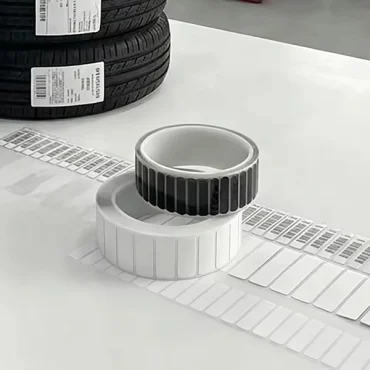
Tire Curing Labels for Tire Identification and Traceability Survives full vulcanization cycle Permanent bond to green and cured rubber Barcode and data remain readable post-cure Thermal-transfer printable for unique IDs Supports complete manufacturing traceability Send Your Inquiry Now End-to-End Tracking from Green Tire to Finished Tire Curing Labels for Tire Identification and Traceability are applied […]
-
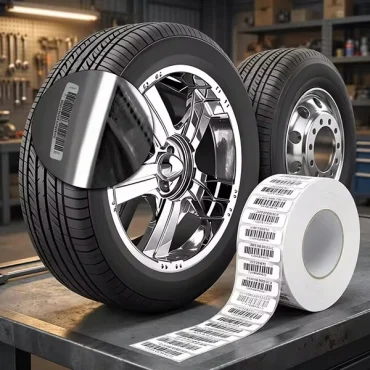
Strong Adhesive Car Tyre Vulcanization Barcode Label Extra-strong adhesive for reliable rubber bond Survives passenger-tire vulcanization cycles Barcode remains readable after curing Thermal-transfer printable surface Designed for car and light-truck tires Send Your Inquiry Now High-Bond Identification for Passenger Tire Lines Strong Adhesive Car Tyre Vulcanization Barcode Label is formulated with an enhanced adhesive system […]
-
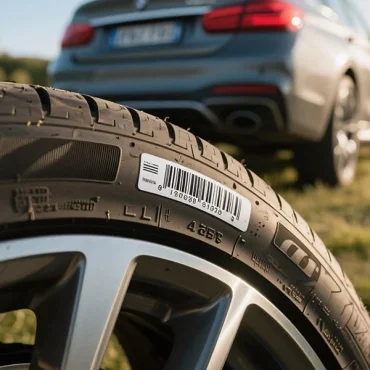
Tire Bead Barcode Labels Optimized for tire bead placement Withstands vulcanization heat and pressure Permanent bond to green rubber at the bead Barcode remains scannable after cure Thermal-transfer printable surface Send Your Inquiry Now Bead-Mounted Identification That Survives Curing Tire Bead Barcode Labels are sized and formulated for application in the bead region of the […]
-
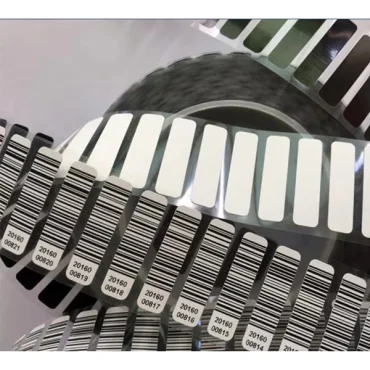
BC Labels for Green Tire Curing/Vulcanization Applied to green tires before curing Forms permanent bond during vulcanization Survives typical curing temperatures Barcode or alphanumeric identification Thermal-transfer printable Send Your Inquiry Now Identification That Travels from Green to Finished BC Labels for Green Tire Curing/Vulcanization are specifically intended for application on uncured (green) tires so that […]
-
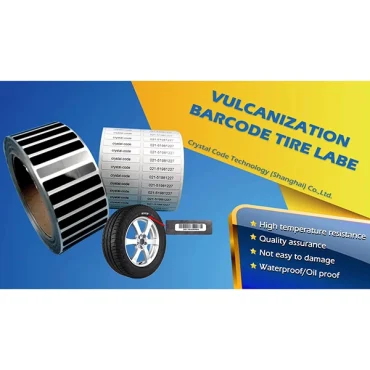
Barcode Vulcanization Label for Tires Manufacturing High-temperature survival during vulcanization Permanent bond to green tire rubber Barcode remains readable after curing Thermal-transfer printable surface Resists curing pressure and heat Send Your Inquiry Now Scannable Identification Through the Curing Cycle Barcode Vulcanization Label for Tires Manufacturing is applied to the green tire prior to curing so […]
-
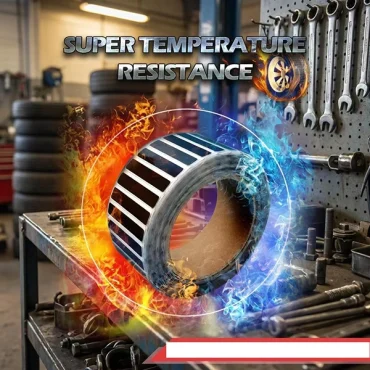
Adhesive Tire Labels High Temperature Vulcanization Type Label Withstands vulcanization temperatures Strong bond to green (uncured) rubber Remains adhered after curing cycle Barcode stays scannable post-process Specialized high-temperature adhesive Send Your Inquiry Now Heat-Resistant Bonding Through Tire Curing Adhesive Tire Labels High Temperature Vulcanization Type Label are engineered to be applied to green tires before […]
-
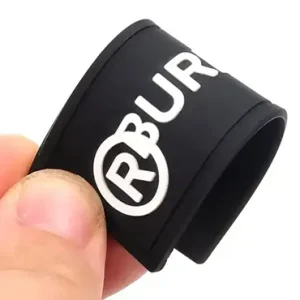
Molded silicone or rubber construction with raised 3D text or logo; withstands UV, abrasion, and moisture. Used for brand badges on apparel, footwear, luggage, and outdoor equipment.
-
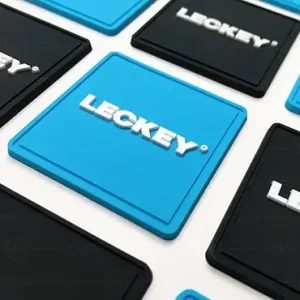
Flexible PVC construction with tactile or embossed finish; resistant to UV, abrasion, and moisture. Used for brand decoration on bags, footwear, and outdoor apparel in retail markets.
-
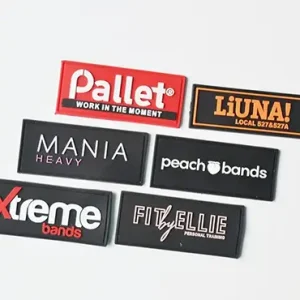
Flexible silicone or rubber facestock adheres to fabric and textured surfaces; resists repeated washing. Suited for garment identification, school uniforms, and institutional clothing management.
Frequently Asked Questions
VIZLENT vulcanization resistant labels are designed to be applied directly to “green” (uncured) rubber prior to the curing process. As the rubber enters the heated mold or autoclave, the label co-cures with the product, chemically bonding to the surface so it becomes a permanent part of the finished good.
No. These labels are manufactured from specialized high-temperature polymers capable of withstanding the extreme heat (often up to 200°C/400°F) and pressure of the vulcanization mold. When printed with the correct resin ribbon, the barcode remains crisp and fully scannable post-cure.
No, and that is exactly the point of the technology. Because the label undergoes co-vulcanization and chemically cross-links with the rubber substrate, it cannot be peeled off, scraped away, or washed off. It provides permanent, tamper-proof lifetime traceability.
To ensure the printed data survives the curing process, you must use a standard industrial thermal transfer printer equipped with a specialized high-durability resin ribbon. Standard inkjet or direct thermal printing will not survive the heat and chemicals of vulcanization.
While they are the industry standard for tire bead and tread barcode labeling, they are equally essential for any vulcanized rubber manufacturing. This includes automotive coolant hoses, industrial conveyor belts, rubber air springs, and heavy-duty seals that require permanent traceability.

