
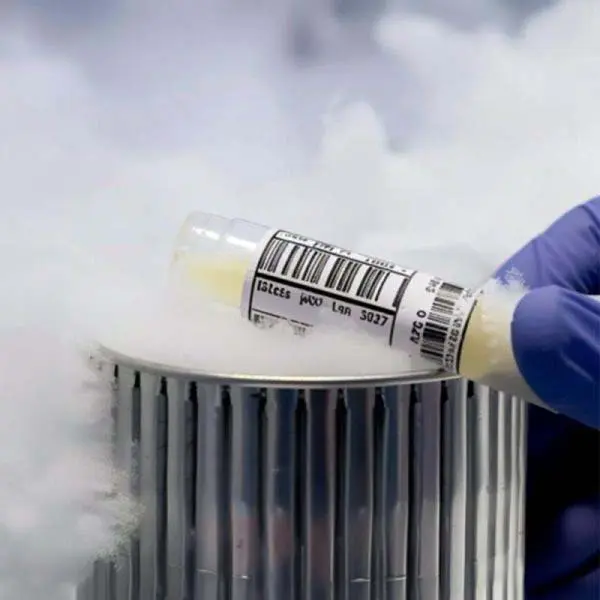
Why Laboratory Cryogenic Resistant Labels Require Specialized Materials
Standard paper labels and conventional acrylic adhesives often become brittle, lose adhesion, or delaminate when exposed to temperatures below -80°C. Laboratory cryogenic environments introduce additional stresses that include rapid temperature transitions, frost buildup, chemical exposure, abrasion from storage racks, and curved application surfaces such as cryovials and microcentrifuge tubes.
Cryogenic labels are commonly applied before samples enter ultra-low temperature storage, meaning the adhesive must wet out properly at room temperature and maintain bond integrity after freezing. In some workflows, labels may also be applied directly onto already frozen containers, requiring specially formulated low-temperature adhesives capable of adhering to frosted or cold substrates.
Laboratory identification systems also depend heavily on barcode readability and variable data retention. Labels used for specimen management, genomic sequencing, vaccine storage, cell therapy workflows, and long-term biobanking must preserve print clarity despite exposure to ethanol, isopropyl alcohol, xylene substitutes, bleach solutions, and repeated handling with nitrile gloves.
Common substrates include polypropylene cryovials, polyethylene tubes, borosilicate glass containers, stainless steel racks, and polyester storage cards. Each surface presents different adhesion and conformability requirements, especially during thermal contraction at cryogenic temperatures.
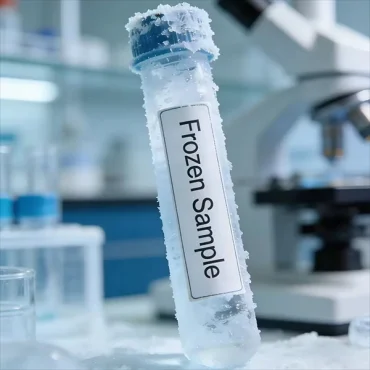
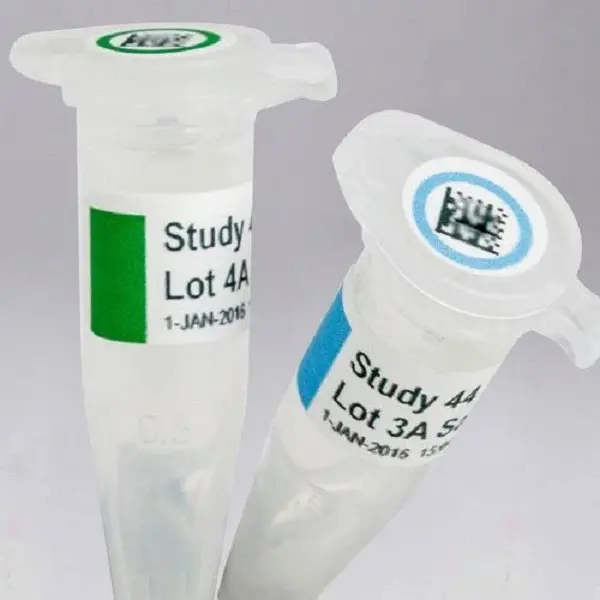
Laboratory Cryogenic Resistant Labels for 2ml Tubes Sized and calibrated for precise fit on standard 2 ml cryovial tube formats Cryogenic-grade adhesive rated to -196 °C on polypropylene cryovial bodies Wrap-around format engineered to avoid cap junction — prevents bridging and lifting Frost-resistant polyester face — print and barcode legible through condensation Dimensionally stable at […]
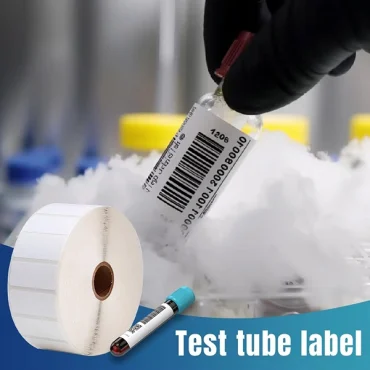
Cryo Laboratory Labels for Liquid Nitrogen Storage Survives direct immersion in liquid nitrogen at -196 °C without bond failure Cryogenic adhesive formulated for polypropylene cryovial bond strength at LN₂ temperature Frost-resistant face — barcodes and text remain scannable through surface ice Available for liquid-phase immersion and vapour-phase LN₂ storage systems Resistant to DMSO, ethanol, and […]
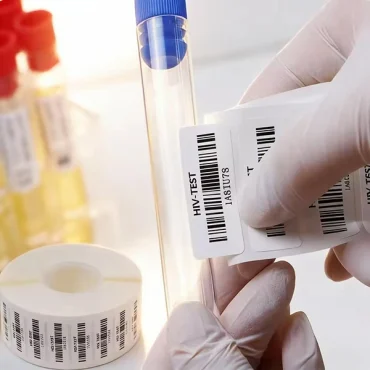
Cryogenic Labels for Laboratory Cold Storage Rated for -80 °C ULT freezer storage and -196 °C liquid nitrogen systems Adhesive maintains bond on polypropylene and glass across full cold storage range Frost-resistant polyester face — print legible through condensation on retrieval Suitable for cryovials, microcentrifuge tubes, blood collection tubes, and cryoboxes Resistant to freeze-thaw cycling […]
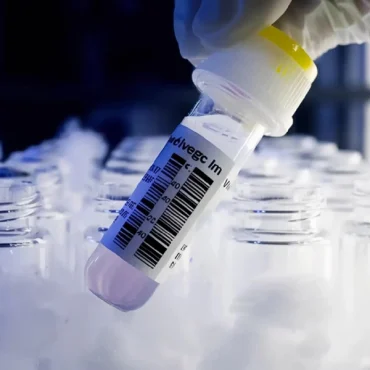
Laboratory Cryogenic Labels Rated to -196 °C for liquid nitrogen and vapour-phase cryostorage Cryogenic adhesive bonds to polypropylene, glass, and HDPE sample containers Frost-resistant polyester face maintains print legibility through condensation and ice Dimensionally stable — no shrinkage, cracking, or embrittlement at cryogenic temperatures Chemical resistant to DMSO, ethanol, glycerol, and aqueous cryoprotectant solutions Send […]
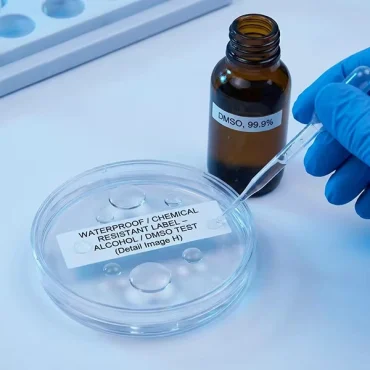
Laboratory Sample Identification Labels Suitable for tubes, microcentrifuge vials, plates, and sample containers Available for ambient, refrigerated, frozen, and cryogenic storage temperatures Chemical-resistant face material withstands ethanol, IPA, DMSO, and common lab reagents Compatible with thermal-transfer, laser, and direct-thermal laboratory printers Supports 1D barcodes, 2D Data Matrix, and QR codes for LIMS integration Send Your […]
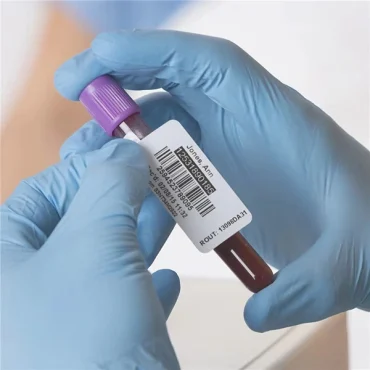
Liquid Nitrogen Label for 2ml Laboratory Tube Rated for continuous immersion in liquid nitrogen at -196 °C Cryogenic acrylic or rubber-based adhesive maintains bond at ultra-low temperatures Sized precisely for standard 2 ml microcentrifuge and cryovial tube formats Frost-resistant face material — print remains legible through ice and condensation Compatible with thermal-transfer, laser, and direct-thermal […]
Key Material Properties for Laboratory Cryogenic Resistant Labels
-
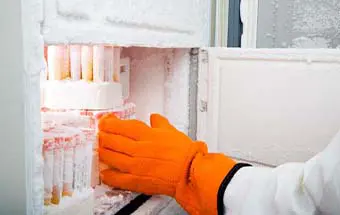
Laboratories typically look for adhesive systems specifically engineered for cryogenic storage, often permanent acrylic formulations validated for freezer and liquid nitrogen environments. Performance data commonly includes minimum service temperature, peel adhesion, and freeze-thaw cycle resistance.
-
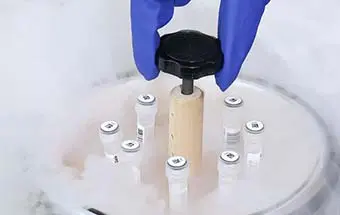
Film facestocks such as polyester or polypropylene are commonly selected because they resist water absorption better than paper materials. Overlaminates or protective topcoats are also used where repeated handling or wet laboratory conditions are expected.
-
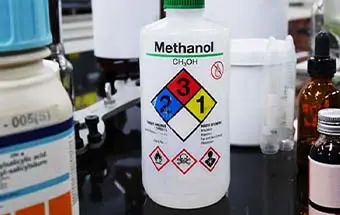
Thermal transfer printable topcoats paired with resin ribbons are commonly used when resistance to ethanol, IPA, DMSO, or diluted bleach solutions is required. Buyers typically review solvent rub resistance and print durability test data when selecting materials.
-
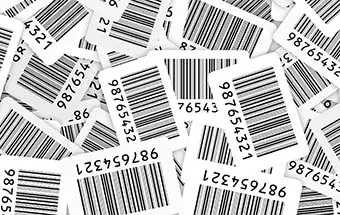
Cryogenic labels are frequently designed for thermal transfer printing using resin ribbons because resin systems generally provide stronger abrasion and chemical resistance than wax-based alternatives. Laboratories may also evaluate scanner verification grades using ISO barcode standards.
Common Laboratory Cryogenic Resistant Label Applications
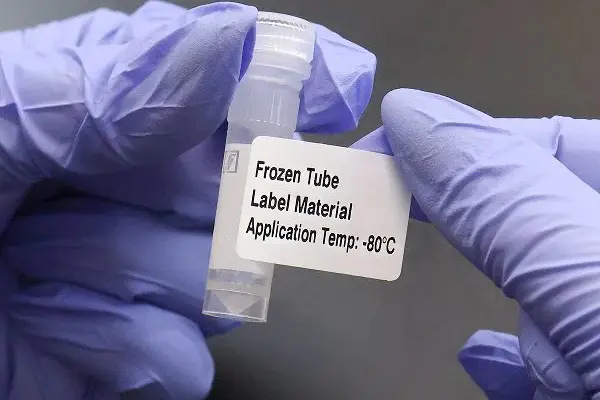
Typical constructions include white thermal transfer printable polyester or polypropylene facestocks combined with cryogenic-grade permanent acrylic adhesives designed for temperatures down to approximately -196°C.
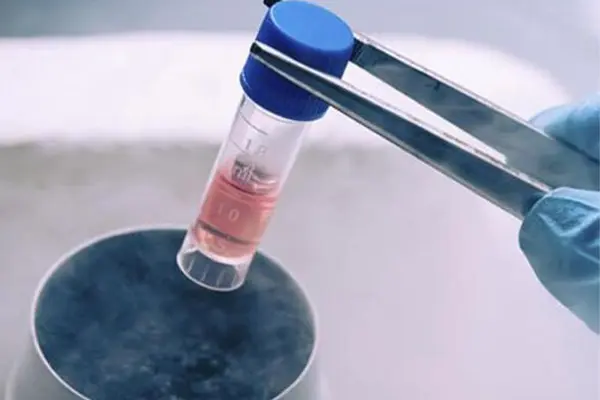
Polyester label constructions with solvent-resistant thermal transfer coatings are commonly used where high print durability is required.
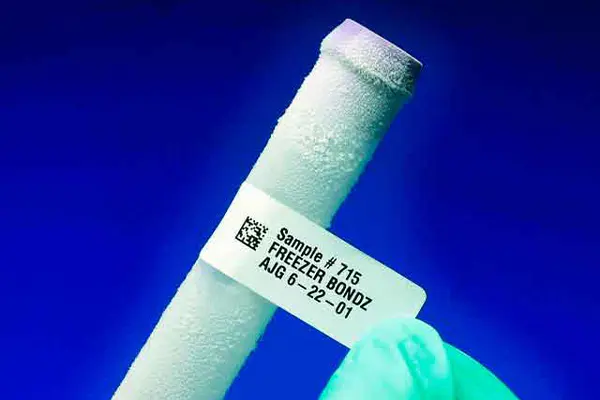
Durable film labels with freezer-grade adhesives and protective topcoats are commonly selected for these workflows.
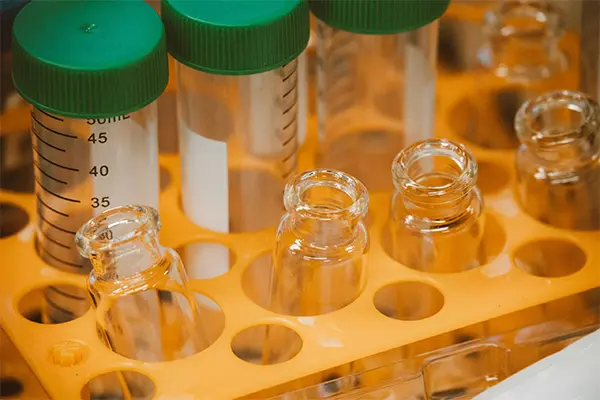
Polyester labels with permanent acrylic adhesives are widely used due to their dimensional stability and resistance to freezer condensation.
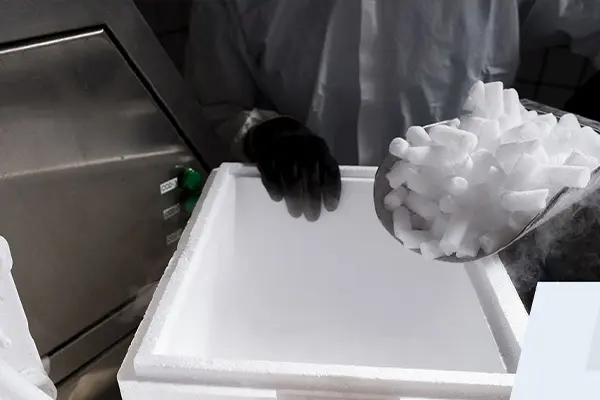
Materials commonly include durable synthetic facestocks paired with cold-temperature adhesives designed for transport packaging and insulated containers.
Regulatory & Compliance Considerations
Laboratory cryogenic resistant labels may need to support regulatory, quality, and traceability requirements depending on the application and industry segment. Material selection should align with the laboratory’s operational and compliance framework.
ISO 15189: Medical laboratories operating under ISO 15189 requirements typically require durable and traceable specimen identification systems that support quality management procedures.
FDA 21 CFR Part 11: Laboratories using electronic records and barcode tracking systems may require labels that maintain long-term readability to support data integrity and audit trails.
GHS: Laboratories handling hazardous chemicals may require labels that maintain hazard communication markings under cold storage and chemical exposure conditions.
ASTM Testing Standards: Adhesion, abrasion resistance, chemical resistance, and environmental durability are often evaluated using ASTM test methodologies during material qualification.
Frequently Asked Questions
Some cryogenic label constructions are designed for liquid nitrogen vapor phase storage down to approximately -196°C, but not all materials are suitable for direct liquid immersion. Material qualification testing is typically recommended.
Thermal transfer printing with resin ribbons is commonly preferred because it provides strong resistance to chemicals, abrasion, and freezer condensation.
Standard paper labels often become brittle, absorb moisture, or lose adhesion below -80°C, especially during repeated freeze-thaw cycles.
Polypropylene cryovials and frosted frozen containers are among the most challenging because of their low surface energy and condensation exposure.
Testing commonly includes low-temperature exposure, freeze-thaw cycling, adhesion evaluation, chemical resistance testing, and barcode readability verification after environmental conditioning.

