
Why ESD Labels Require Specialized Materials
Electronics, semiconductor, and static-sensitive assemblies are vulnerable to surface charges and harsh handling conditions.
Labels must adhere securely to smooth, rough, or coated surfaces without generating or trapping static.
Standard paper or vinyl labels can accumulate charge, peel, or degrade under temperature fluctuations and cleaning processes.
ESD labels combine antistatic or conductive coatings with pressure-sensitive adhesives designed to work on plastic, metal, and coated circuit boards, ensuring both safety and traceability.
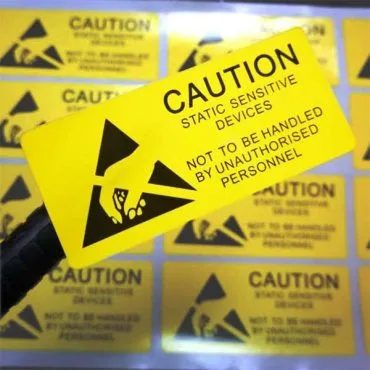
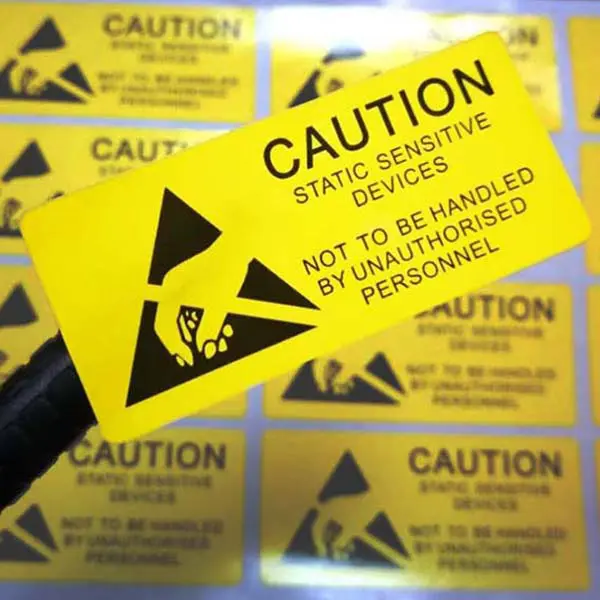
Yellow Anti-Static Sealing Sticker ESD Warning ATTENTION Labels by Vizlent seal ESD bags, warn handlers, and protect electronics during storage and global shipping.
ESD Polyimide Kapton High Temperature Resistant Labels Standard ESD susceptibility “reach hand” symbol High-visibility yellow and black design Tear- and scuff-resistant face UV and fade resistant inks Available in multiple standard sizes Send Your Inquiry Now ESD Polyimide Kapton High Temperature Resistant Labels Features Vizlent ESD Polyimide Kapton High Temperature Resistant Labels combine the thermal toughness […]
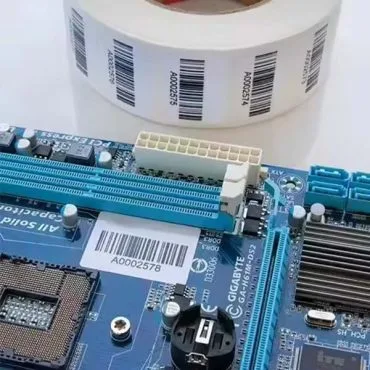
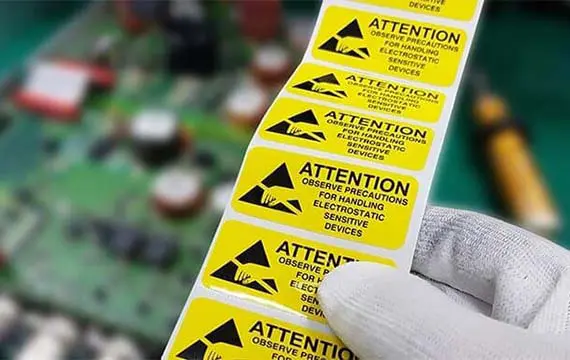
Anti-Static Label for Circuit Boards by Vizlent protects PCBs from ESD damage with controlled surface resistance, reflow-safe adhesive, and clear traceable barcodes.
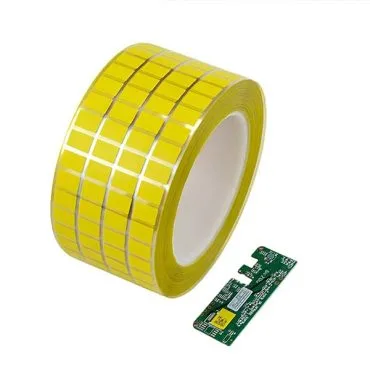
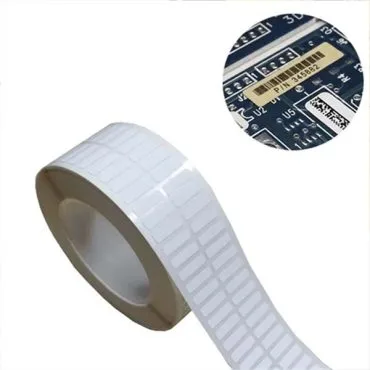
Anti Static Polyimide Labels from Vizlent deliver ESD protection, 300°C heat resistance, and durable barcodes for PCB assembly, semiconductors, and HDD labeling.
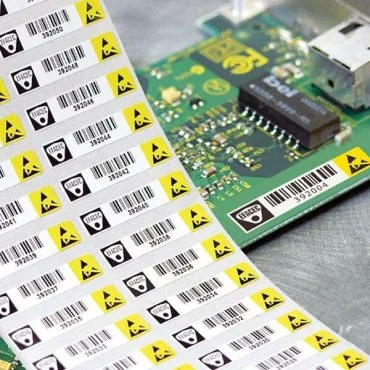
Static Dissipative Labels in PCB labeling from Vizlent offer reflow-resistant ID, controlled charge bleed-off, and sharp barcodes for SMT and EMS production lines.
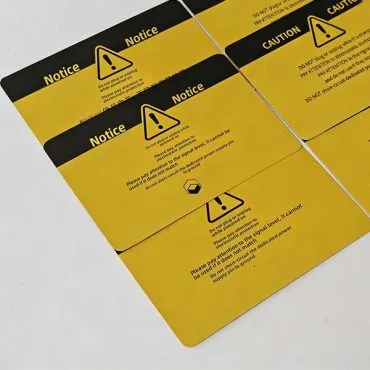
Anti Static Dissipative ESD Labels for electronic devices by Vizlent protect ICs and PCBs with controlled surface resistance, durable adhesion, and clear barcode print.
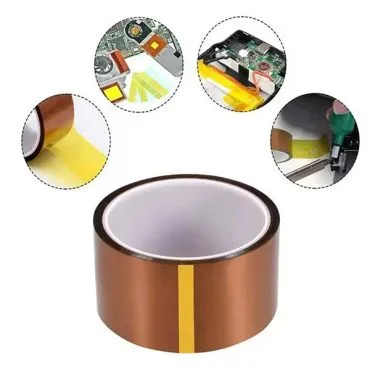
Polyimide ESD Label Material by Vizlent offers static-dissipative protection, high heat resistance up to 300°C, and reliable PCB tracking for electronics manufacturers.
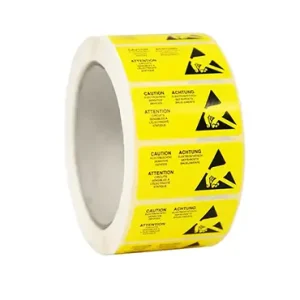
Anti Static Warning Labels Safeguard your static-sensitive devices (SSD) during handling, shipping, and storage with our premium anti-static warning labels. Designed for maximum visibility and uncompromising adhesion, these ESD caution stickers ensure strict compliance with global industry standards. By clearly identifying electronic components packaging that requires specialized static control, our labels help you enforce proper […]
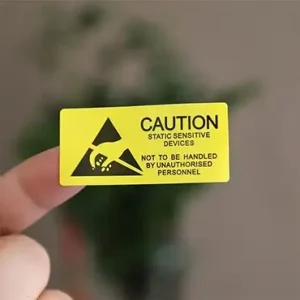
Static-dissipative facestock with permanent adhesive warns of ESD risk per ANSI/ESD S20.20. Suited for electronic component packaging, assemblies, and cleanroom handling identification.
Key Material Properties for ESD Labels
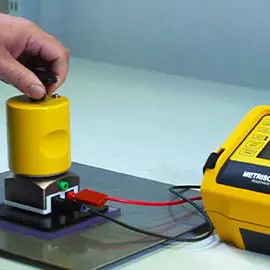



Common ESD Label Applications
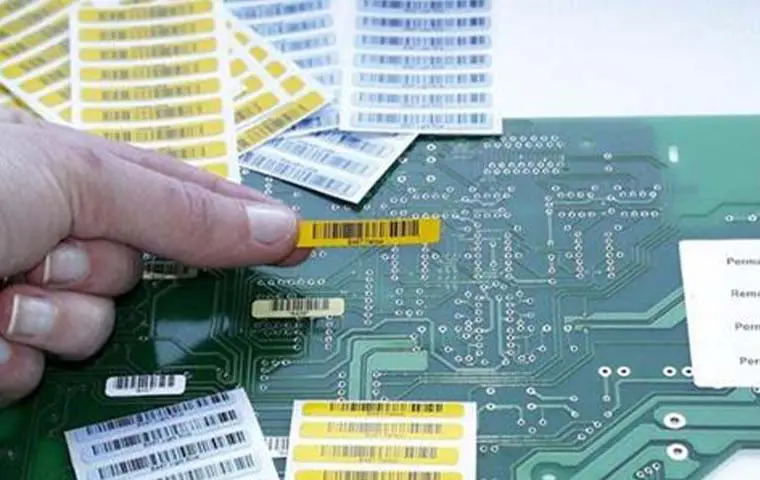
PCB and Component Marking
Applied directly to boards to identify serial numbers and batch codes; must withstand reflow soldering and cleaning solvents. Common materials: polyester with conductive ink.
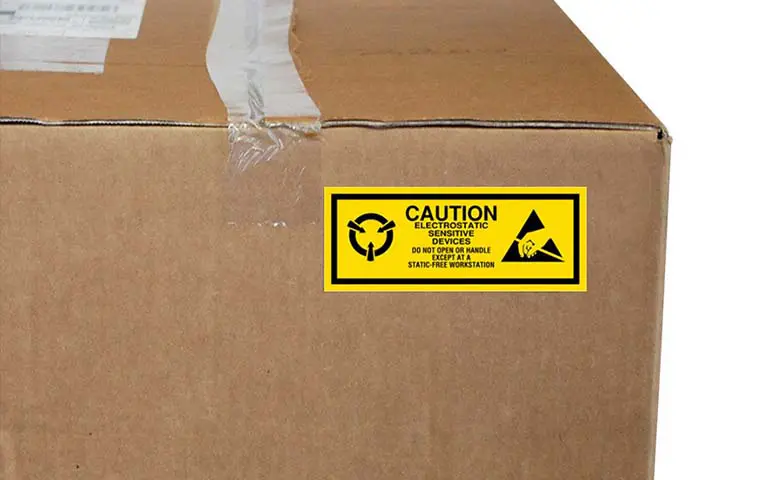
Shipping & Inventory Labels
Identify and track components without compromising static safety. Labels must survive handling, environmental fluctuations, and scanning. Usually paper or polyester with static-dissipative coatings.
ESD Warning & Instruction Labels
Alert personnel about static-sensitive areas or equipment. Materials: static-dissipative or conductive films with solvent-resistant inks.
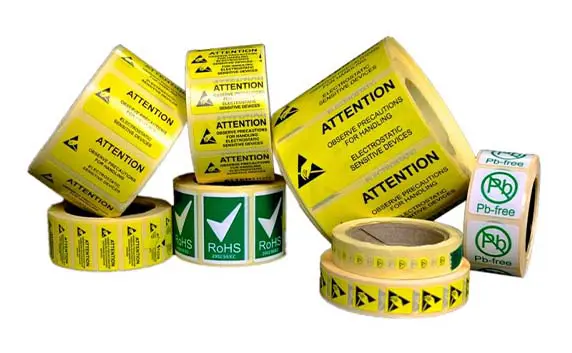
Regulatory & Compliance Considerations
UL 969: Standard for marking and labeling systems; ensures adhesion, durability, and legibility.
RoHS Compliance: Guarantees labels do not introduce restricted substances into electronic assemblies.
IEC 61340-5-1: Defines ESD control requirements in electronics manufacturing.
ISO 9001: Ensures consistent quality in label manufacturing and materials.
GHS & ANSI Z535: If used as hazard or warning labels, ensures readable safety instructions.
Frequently Asked Questions
Most static-dissipative labels are designed for clean removal, but high-adhesion polyester labels may leave minimal residue.
Labels with controlled surface resistivity are safe on most conformal-coated PCBs, but testing is recommended for specialty coatings.
Standard ESD polyester labels typically withstand -40°C to 150°C, suitable for solder reflow and storage.
Yes, thermal transfer polyester or vinyl labels maintain legibility and barcode accuracy in static-sensitive environments.
Reputable ESD labels meet UL 969, IEC 61340-5-1, and RoHS requirements, ensuring both performance and regulatory compliance.

