
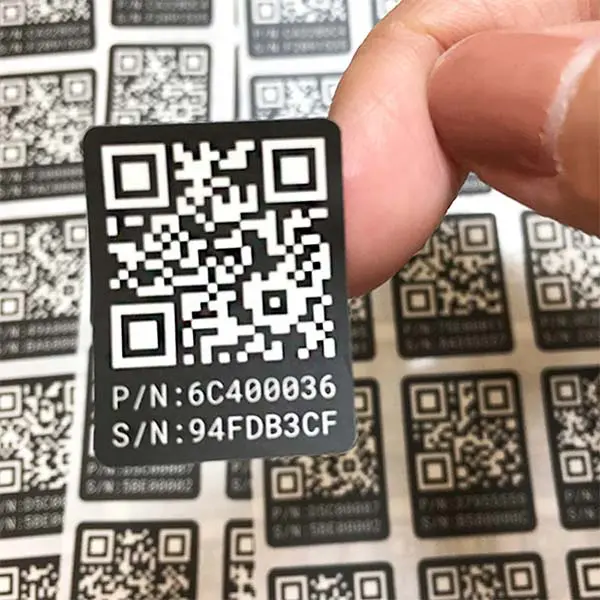
Why QR Code Labels Require Specialized Materials
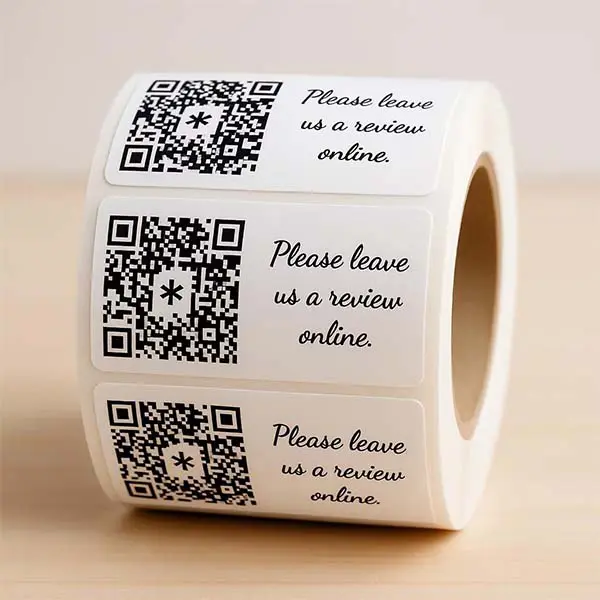
Unlike conventional text labels, QR code labels depend on precise image integrity for machine readability. Even minor surface damage, adhesive failure, or print degradation can prevent scanners from decoding the symbol. This creates operational risks in industries where traceability, serialization, or regulatory tracking are required.
Many QR code labels are applied to challenging substrates such as powder-coated metal, textured plastics, corrugated packaging, stainless steel equipment, flexible films, or electronic components. Surface energy variations can directly affect adhesive performance and long-term bond strength.
Environmental exposure is another major factor. QR code labels used in manufacturing plants, warehouses, laboratories, outdoor equipment, or medical facilities may encounter:
- Frequent abrasion and handling
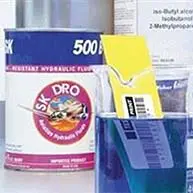
- Cleaning chemicals and solvents
- Moisture, condensation, or washdowns
- High or low operating temperatures
- UV exposure and weathering
In addition, QR codes require high print contrast and dimensional accuracy. Materials with poor coating uniformity or unstable topcoats can reduce scanner readability, particularly for small-format codes with dense data structures.
Key Material Properties for QR Code Labels
Common QR Code Label Applications
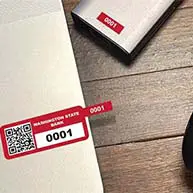
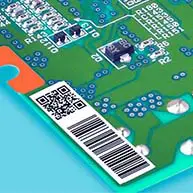

How to Select the Right Label Material
Evaluate the Application Surface:
Surface texture, curvature, and surface energy directly affect adhesive selection. Smooth stainless steel, powder-coated equipment, corrugated cartons, and low-surface-energy plastics each require different adhesive characteristics.
Define Environmental Exposure Conditions:
Identify expected exposure to heat, moisture, UV light, chemicals, abrasion, or outdoor weathering. Long-term outdoor asset labels typically require UV-stable film constructions rather than standard coated paper.
Match the Material to the Print Technology:
Thermal transfer, direct thermal, laser, and inkjet systems require compatible surface coatings. Incorrect material pairing can reduce print durability or scanning accuracy.
Consider Required Service Life:
Temporary warehouse labels may only require weeks of performance, while equipment identification labels may need to remain readable for 5–10 years or longer.
Frequently Asked Questions
Polyester is one of the most commonly used materials for durable QR code labels because it provides good abrasion resistance, chemical durability, and long-term dimensional stability.
Yes, outdoor QR code labels are typically produced using UV-stable synthetic films and weather-resistant adhesives designed for moisture, sunlight, and temperature cycling exposure.
For long-term durability, thermal transfer labels are generally preferred because resin or wax-resin ribbons provide better resistance to abrasion, chemicals, and fading.
Permanent acrylic adhesives are commonly used for metal equipment because they typically provide strong long-term adhesion and good environmental resistance.
The minimum practical size depends on data density, printer resolution, scanning distance, and contrast quality, but high-resolution printing and stable coatings are critical for small-format codes.

