
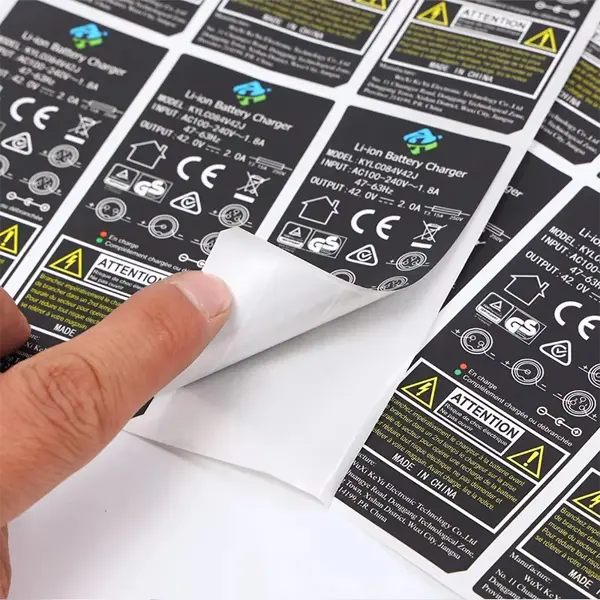
Why Electronic and Electrical Labels Require Specialized Materials
Electronic and electrical equipment labels are commonly applied to low-surface-energy plastics, powder-coated metals, anodized aluminum, textured housings, and flexible cable insulation. These surfaces can present adhesion challenges, particularly when exposed to thermal cycling or vibration during equipment operation.
Many electronic assemblies also experience sustained heat exposure. Power supplies, transformers, battery systems, motors, and industrial control panels can generate temperatures that exceed the limits of conventional acrylic adhesives or paper facestocks. Labels used inside equipment enclosures may need to tolerate temperatures ranging from typically 80°C to 150°C depending on the application environment.
Regulatory durability requirements further increase material demands. Safety labels, warning labels, and product identification markings often must remain legible after abrasion, humidity exposure, chemical contact, or prolonged aging. In UL-recognized applications, the label construction itself may need to be tested and approved as a complete system including facestock, adhesive, and printing method.
Electrical manufacturing environments also require reliable barcode readability and traceability. Labels used for inventory control, PCB serialization, or component tracking must maintain dimensional stability and print clarity despite exposure to soldering operations, conformal coating processes, or industrial cleaning fluids.
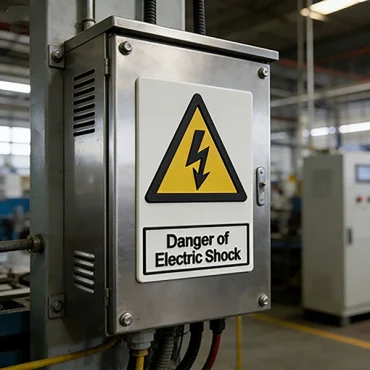
Electrical Voltage Warning Labels Hazard Sign Yellow with Black Print High-contrast yellow face with black print for maximum hazard visibility Pre-printed with “HIGH VOLTAGE”, “DANGER”, “CAUTION”, or custom warning text Lightning bolt hazard symbol per ISO 7010 (W012) available as standard Durable polyester or polypropylene face resists UV, moisture, and cleaning agents Aggressive permanent adhesive […]
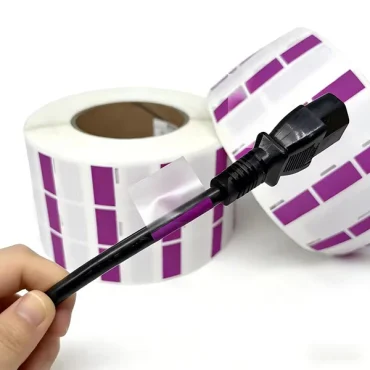
Electrical Cable Label Self Laminating Labels Integrated clear overlaminate tail encapsulates printed zone on application Protects circuit codes and barcodes from abrasion, oils, and cleaning agents Suitable for electrical panel wiring, industrial cables, and field service conduit runs Available in roll format for thermal-transfer and inkjet cable label printers Compatible with cable diameters from 3 […]
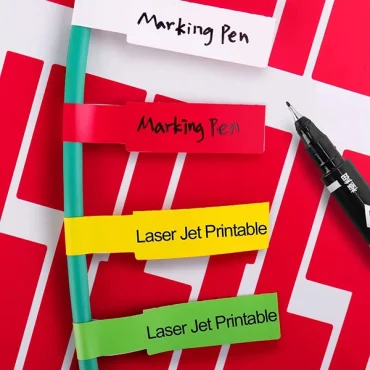
Electrical and UTP Wire Labels for Laser Printers Engineered for reliable feed and sharp toner adhesion through A4 laser printers Polyester face material withstands laser fuser heat without warping or label lifting Suitable for both electrical control wiring and UTP network cable identification Self-adhesive wrap-around format for cables from 2 mm to 12 mm diameter […]
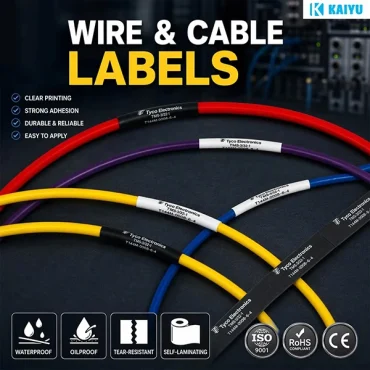
30PCS/Sheet Network Electrical Cable Labels 30 labels per A4 sheet for high-yield in-house laser printer cable labelling Self-adhesive wrap-around format bonds to round cable jacket surfaces Compatible with standard A4 mono and colour laser printers White polyester or polypropylene face for sharp, durable print output Suitable for network patch cables, electrical control cables, and data […]
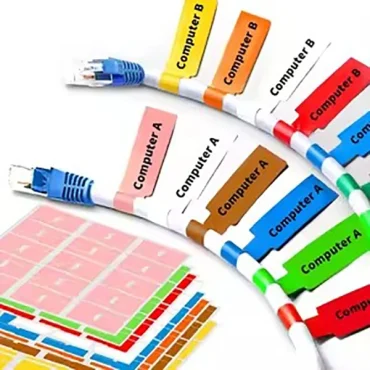
UTP Cat6 Labels Electrical Wire Self Laminating Labels Self-laminating clear overlaminate wraps over printed zone for abrasion and moisture protection Compatible with UTP Cat5e, Cat6, Cat6A, and standard round patch cord diameters Write-on zone accepts permanent markers, ballpoint pens, and thermal-transfer print Clear wrap section bonds to cable jacket for a secure, professional finish Available […]
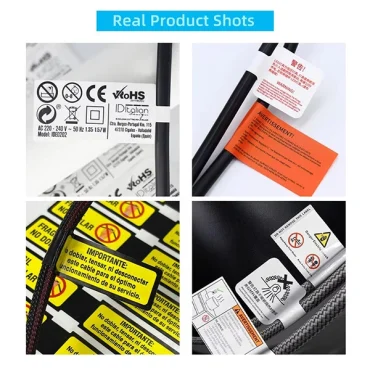
T-Flag Wire Labels for Electrical Cables T-flag fold creates dual-sided readable panel on each cable Wraps and adheres firmly around cable jacket without connector interference Compatible with cable diameters from 2 mm to 20 mm Plasticiser-resistant adhesive maintains bond on PVC wire insulation Printable via thermal transfer, laser, or permanent marker Send Your Inquiry Now […]
Key Material Properties for Electronic and Electrical Labels
Materials commonly used include polyimide, polyester, and high-temperature acrylic adhesives. Buyers typically evaluate continuous service temperature ratings, short-term heat exposure limits, and UL temperature classifications when selecting materials.
Thermal transfer printable polyester and polyimide constructions are commonly selected because they provide good resistance to smearing, solvent attack, and print degradation. Laminated constructions may also be used where aggressive cleaners are present.
Film-based materials such as polyester and polyimide are typically preferred because they resist distortion during solder reflow, wave soldering, or long-term equipment operation.
UL-recognized label systems are commonly used because they have been evaluated for compatibility, flammability performance, and long-term durability in electrical applications.
Engineers typically evaluate scratch resistance, rub resistance, and print durability when labels will be handled frequently or cleaned during service.
High-performance permanent acrylic adhesives are commonly selected for these substrates because they provide stronger long-term bonding under heat and humidity exposure.
Common Electronic and Electrical Label Applications
PCB and Electronic Component Labels
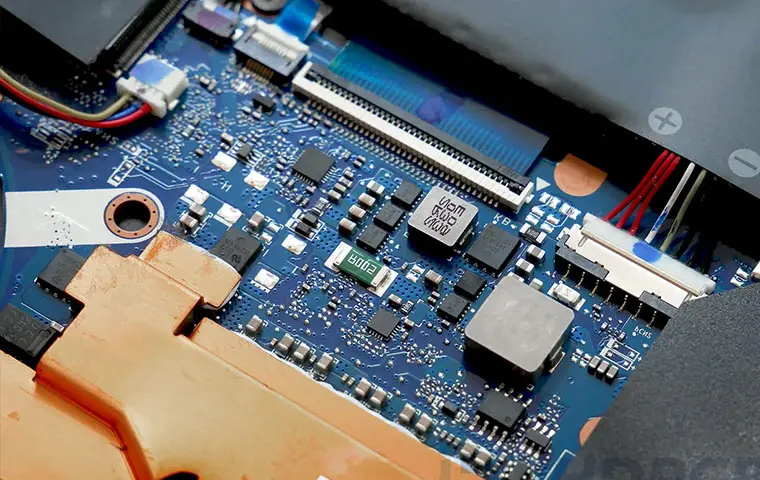
Printed circuit board labels are used for serialization, lot tracking, inspection status, and automated manufacturing traceability. These labels may encounter solder reflow temperatures, cleaning chemicals, and dense component layouts.
Polyimide labels with high-temperature adhesives are commonly used because they can tolerate elevated processing temperatures while maintaining barcode readability.
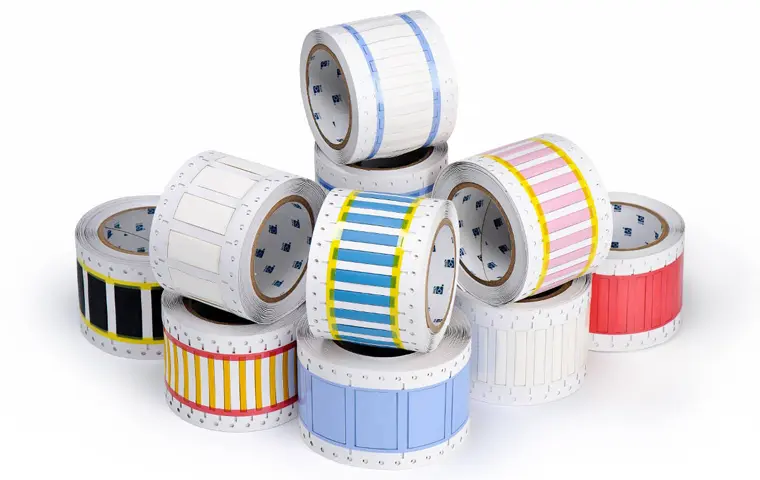
Wire and Cable Identification Labels
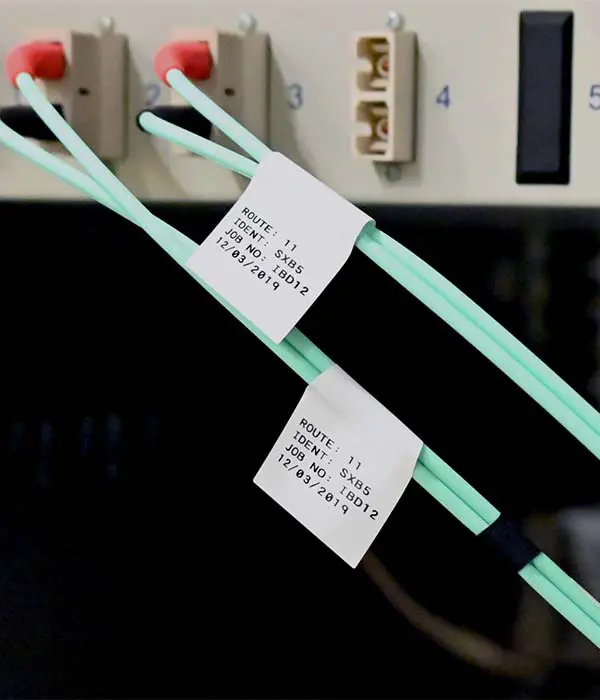
Wire marking labels identify harnesses, terminals, and cable assemblies inside electrical systems and industrial equipment. These labels must resist abrasion, flexing, and oils while remaining readable in confined installation environments.
Flexible vinyl, polyester, or self-laminating constructions are typically used depending on cable diameter, environmental exposure, and print requirements.
Warning and Safety Labels
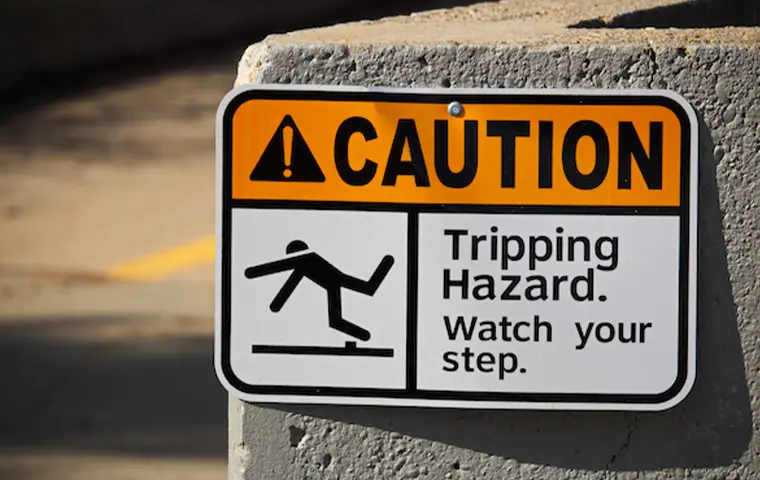
Electrical hazard labels communicate shock hazards, arc flash risks, grounding instructions, and operational warnings. These labels may be exposed to UV light, cleaning chemicals, and physical abrasion in industrial environments.
Outdoor-rated polyester or vinyl constructions with UV-stable inks are commonly used for equipment exposed to long-term environmental aging.
Regulatory & Compliance Considerations
UL 969 is one of the most widely referenced standards for marking and labeling systems used in electrical products. It evaluates label durability, adhesion, legibility, and resistance to environmental exposure. Materials used for certified products are often selected from UL-recognized label systems.
RoHS requirements restrict the use of specific hazardous substances in electronic and electrical equipment. Label materials, inks, and adhesives may need to comply with RoHS material restrictions depending on the end market.
REACH compliance may also be relevant for manufacturers selling into European markets. Buyers often request documentation confirming that label constructions do not contain restricted chemical substances above regulated thresholds.
CSA and other regional electrical certification requirements may influence label durability and content requirements depending on the equipment destination market.
Frequently Asked Questions
Polyimide labels are commonly used for PCB tracking because they typically tolerate solder reflow temperatures and maintain barcode readability during electronic assembly processes.
Polyester labels are widely used for electrical equipment identification because they offer good dimensional stability, abrasion resistance, and compatibility with thermal transfer printing.
UL-recognized label systems help manufacturers demonstrate that the label construction has been evaluated for durability, adhesion, and legibility under specified electrical application conditions.
High-performance acrylic adhesives are commonly selected for powder-coated surfaces because they generally provide stronger long-term adhesion under heat and humidity exposure.
Many electronic-grade polyester and polyimide labels are designed to resist isopropyl alcohol, flux removers, and industrial cleaners when paired with compatible inks and topcoats.

