At their core, self adhesive labels–often called pressure-sensitive labels–are multi-layered constructions that stick to surfaces with just a bit of physical force. You don’t need heat, solvent, or water to activate the bond; it’s all about that tactile application. This elegant solution comprises a face stock, a specialized adhesive layer, and a release liner. It is the backbone of modern packaging.
What are self-adhesive labels used for?
When I look around, I see these sticky marvels everywhere, and honestly, their utility is just mind-blowing! In the grueling world of logistics, they’re the unsung heroes–tracking packages across continents with barcodes that simply must remain legible.
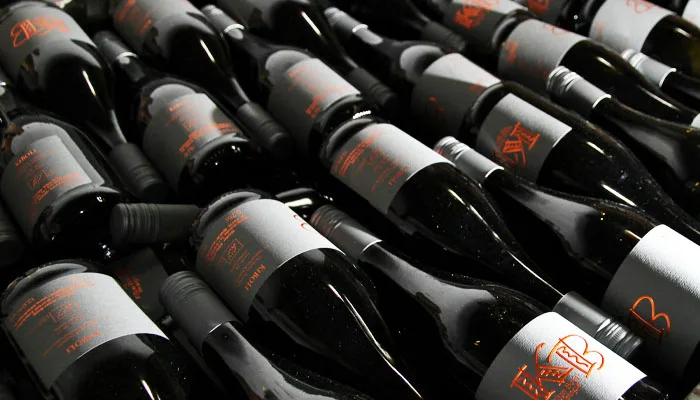
I’ve spent many late nights testing how these materials endure the freezing temperatures of a cold-storage warehouse or the blistering heat of an engine bay. They aren’t just for shipping; they provide vital safety warnings on industrial machinery where failure just isn’t an option. It’s a high-stakes game of durablity and legibility. Beyond that, in the retail space, they’re the “face” of a product, enticing customers with vibrant colors and specialized textures… Whether it’s a wine bottle needing a textured paper to convey elegance or a shampoo bottle that has to withstand constant moisture, the right selection is crucial. I often feel a surge of pride seeing a complex die-cut label performing perfectly on a high-speed bottling line. They even show up in the medical field, ensuring blood samples are correctly identified–talk about a mission-critical application!
The versatility of these substrates is truly unparalleled, ranging from simple price tags to sophisticated tamper-evident seals that protect consumers from fraud. It’s never just a “sticker” to me; it’s a functional component that keeps our modern world organized and safe. When a manufacturer picks the wrong face stock for an outdoor chemical drum, it’s a total catastrophe, which is why I’m so passionate about getting the science right every single time.
What is a self-adhesive sticker?
The term “sticker” often feels far too casual for the intricate engineering I witness daily in the lab. Essentially, a self-adhesive sticker is a specialized laminate comprising three vital components: the face material, the adhesive layer, and the release liner. While the general public might use the word “sticker” for fun decals, in our professional sphere, we’re talking about precision-engineered pressure-sensitive materials. I find it absolutely fascinating how these layers coexist! The face stock–be it a ruged polyester or a delicate vellum–carries the message, while the adhesive ensures a bond that can be either permanent or removable.
Honestly, it makes my head spin when people underestimate the chemistry involved in that sticky interface. It’s a marvelous bit of material science where no external activation like heat or water is required. The release liner is the unsung hero, keeping the adhesive pristine until the moment of application. When I see a perfectly die-cut sticker, I don’t just see a piece of paper; I see a complex system of surface energy and shear strength working in harmony. It’s truly a testament to modern industrial capabilitie that we can produce these by the mile with such consistency.
Sometimes I get quite emotional seeing a brand’s identity come to life on a high-gloss synthetic substrate… it’s just beautiful. The versatility of these “stickers” allows them to adhere to everything from curved glass to textured cardboard, making them indispensable. Truly, they are the most efficient way to convey information or add aesthetic value to any surface imaginable. Getting the adhesive “tack” just right for a specific substrate is an art form I never tire of perfecting.
How to print on a self-adhesive label?
Printing on these constructions is a high-stakes ballet of surface tension and ink chemestry. In the lab, I’m obsessed with the dyne level; if it’s too low, ink beads up like water on a waxed car! You must match the ink–UV-cured or thermal transfer–to the substrate. Digital inkjet often needs a special top-coat to “trap” ink. Honestly, seeing a crisp image emerge onto a textured film is why I love this industry. But beware fuser heat–if the adhesive isn’t heat-stabile, you’ll end up with a sticky mess! A jammed fuser is a total catastrophy.
Can you print shipping labels on sticker paper?
Printing shipping labels on generic sticker paper is technically feasible, yet it’s a gamble that often makes my skin crawl because of the technical risks involved! You see, standard craft “sticker paper” rarely possesses the thermal stability or the ruggedness required for the brutal journey through a courier’s automated sorting facility. I’ve analyzed countless failed labels where the adhesive simply oozed out under the heat of a laser printer, creating a sticky catastrophe inside the fuser… it’s a total nightmare for your hardware.
If you’re using an inkjet, the ink might “feather” or smudge when a single raindrop hits it, rendering the barcode utterly illegible. It’s heartbreaking to think of a package getting lost because the substrate failed! True shipping labels utilize specialized direct thermal or thermal transfer coatings designed to withstand abrasion and moisture. While you can physically feed a sheet of matte sticker paper through your home printer, the lack of a proper topcoat means the image won’t have that crisp, industrial-grade contrast.
Moreover, the release force on hobbyist papers is often inconsistent, causing the label to curl or peel prematurely during high-speed transit. It’s just not worth the risk when mission-critical logistics are on the line. I always advocate for using purpose-built shipping stocks that have been rigourously tested for “shear strength” and environmental resistance. Choosing the right material isn’t just a preference; it’s the difference between a successful delivery and a lost shipment.