
Why Temperature Indicator Labels Require Specialized Materials
Temperature indicator labels are exposed to environmental conditions that exceed the capabilities of conventional pressure-sensitive labeling materials. Many applications involve continuous exposure to refrigeration, elevated process temperatures, rapid thermal cycling, moisture, oils, solvents, or UV light. In some cases, the label itself must react to temperature changes through irreversible color transition chemistry or thermochromic technology.
Cold chain logistics environments commonly expose labels to condensation, freezer abrasion, and repeated handling during transport. Adhesives that perform well at room temperature may fail on corrugated cartons or plastic containers at sub-zero temperatures. Conversely, industrial equipment labels installed near motors, batteries, or heating systems may experience continuous operating temperatures above 120°C.
Surface energy also affects performance. Temperature indicator labels are frequently applied to stainless steel, aluminum housings, glass vials, HDPE containers, flexible packaging films, or powder-coated equipment. Each substrate requires different adhesive characteristics to maintain long-term adhesion and accurate indicator performance.
In regulated industries such as pharmaceuticals and food processing, label materials may additionally require compliance with FDA indirect food contact requirements, RoHS substance restrictions, or ISO-based traceability systems. Material selection therefore affects not only durability, but also inspection reliability and compliance documentation.
Common Temperature Indicator Label Applications

Typical constructions include synthetic film facestocks combined with freezer-grade permanent acrylic adhesives and moisture-resistant coatings designed to withstand condensation and refrigerated handling.
Polyimide constructions with high-temperature silicone adhesives are commonly selected because they typically withstand soldering environments and elevated operating temperatures.

These labels generally require oil resistance, abrasion resistance, and long-term adhesion to metal surfaces exposed to vibration and heat cycling.

Common constructions include high-temperature films with chemical-resistant coatings and sterilization-compatible adhesives.
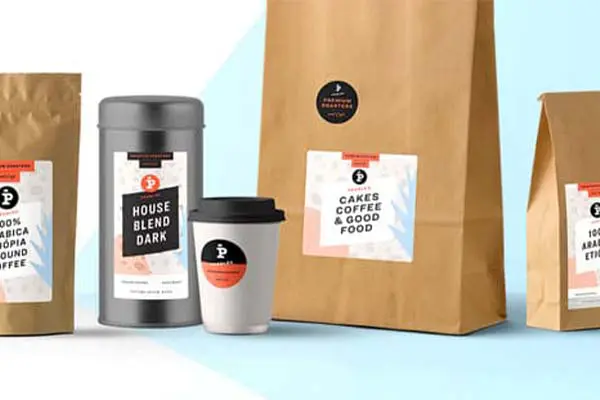
Materials commonly include direct thermal or thermal-transfer printable films with cold-temperature adhesives suitable for corrugated boxes and plastic containers.
WeProFab offers high technology drilling polycarbonate processes. Holes can be drilled for decorations, ventilations, or fasteners. We use superior accessories and tools for drilling polycarbonate without causing rough or burns to the sheet surface.
Key Material Properties for Temperature Indicator Labels

Buyers should review both minimum application temperature and continuous service temperature ratings. A label applied at room temperature may still fail later if the adhesive is not rated for sustained low-temperature exposure.

Important specifications include minimum application temperature, ultimate adhesion strength, and resistance to moisture ingress. On textured or low-surface-energy plastics, aggressive permanent adhesives are generally preferred.

Thermal-transfer printable polyester and polyimide constructions are commonly used where long-term readability is required. Buyers should evaluate ribbon compatibility, smudge resistance, and barcode verification performance.

Thermal-transfer printable polyester and polyimide constructions are commonly used where long-term readability is required. Buyers should evaluate ribbon compatibility, smudge resistance, and barcode verification performance.

Regulatory & Compliance Considerations
RoHS: Restricts hazardous substances such as lead, cadmium, and mercury in electronics-related applications. Commonly relevant for temperature labels used on electronic assemblies and battery systems.
UL Recognition: UL-recognized label systems are often required for durable industrial markings and electrical equipment identification. UL 969 is commonly referenced for pressure-sensitive labeling systems.
FDA 21 CFR: Materials used in food packaging or pharmaceutical logistics may require indirect food contact compliance depending on product exposure conditions.
ASTM Standards: ASTM test methods are frequently used to evaluate adhesion performance, environmental durability, thermal aging, and abrasion resistance.
How to Select the Right Label Material
Evaluate the Full Temperature Exposure Range:
Consider both the application temperature and the long-term service temperature. A label applied in a warehouse may later experience freezer storage, sterilization, or elevated equipment temperatures that exceed adhesive or facestock limitations.
Identify the Application Surface:
Surface material significantly affects adhesion performance. Stainless steel, glass, HDPE, powder-coated metal, and flexible films all present different surface energy characteristics that influence adhesive selection.
.

Frequently Asked Questions
Yes. Labels designed for freezer applications typically use synthetic facestocks and cold-temperature acrylic adhesives rated for refrigerated and frozen storage conditions.
Reversible labels return to their original appearance when temperatures normalize, while irreversible labels permanently record that a temperature threshold was exceeded.
Polyimide and high-temperature polyester constructions are commonly used because they typically withstand soldering exposure, thermal cycling, and elevated operating temperatures.
Film-based constructions with protective topcoats generally provide better resistance to condensation, alcohol wipes, oils, and industrial cleaning chemicals than uncoated paper labels.
Accuracy depends on the indicator chemistry and application design. Industrial-grade labels are typically manufactured with defined activation tolerances for specific temperature thresholds.

