
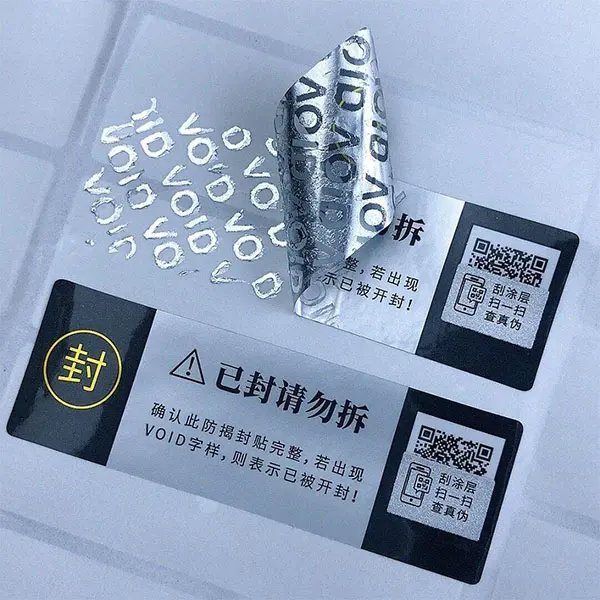
Why Tamper Proof Labels Require Specialized Materials
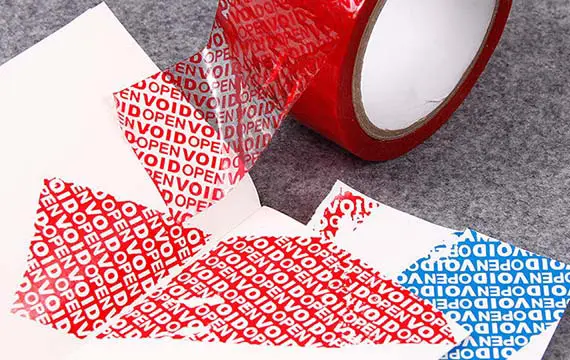
Tamper proof labels operate under very different conditions than general identification or branding labels. Their primary function is not only adhesion, but also irreversible evidence of interference. The label must permanently change appearance, destruct, or leave behind a visible pattern when removal is attempted.
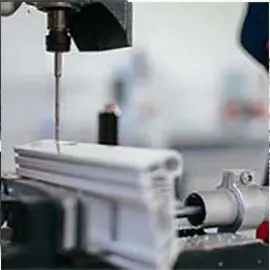
Many applications involve difficult substrates such as powder-coated metal, low surface energy plastics, textured cartons, polycarbonate housings, or curved electronic enclosures. Adhesive performance can vary significantly depending on surface energy, contamination, humidity, and application temperature.
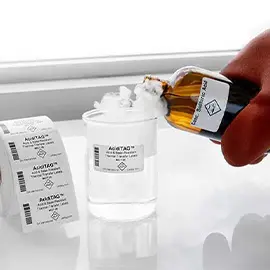
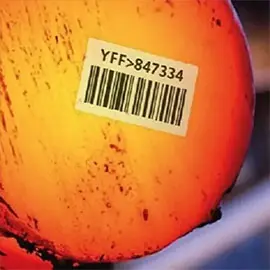
Environmental exposure is also a major factor. Tamper-evident labels used in outdoor equipment, medical packaging, logistics containers, or electronics often encounter UV exposure, abrasion, cleaning chemicals, temperature cycling, or moisture. In these conditions, standard paper labels may shrink, lift, or degrade prematurely.
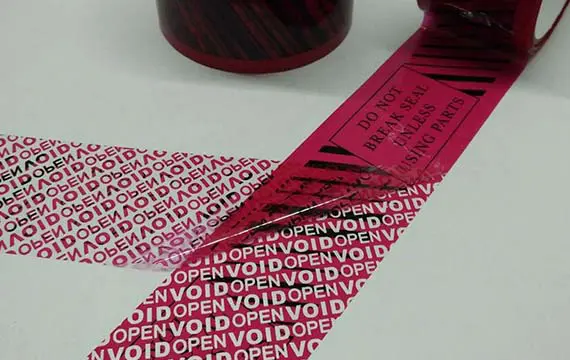
Security expectations further increase material requirements. Some industries require labels that fragment upon removal, reveal hidden VOID messages, resist solvent tampering, or support serialized variable data printing for traceability. In regulated sectors, label materials may also need documented compliance with standards such as RoHS, UL recognition, FDA indirect food-contact guidance, or ISO quality systems.
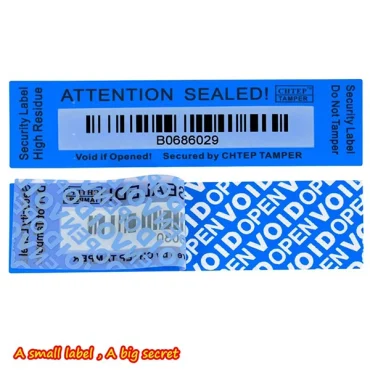
Warranty Custom Security Tamper Proof Labels for Mobile Camera Purpose-designed for mobile device camera module and lens assembly sealing Ultra-thin construction — minimal height addition over camera module housing VOID tamper evidence activates on any disassembly or housing removal attempt Non-residue adhesive protects camera lens optical surfaces from contamination Custom die-cut to match smartphone or […]
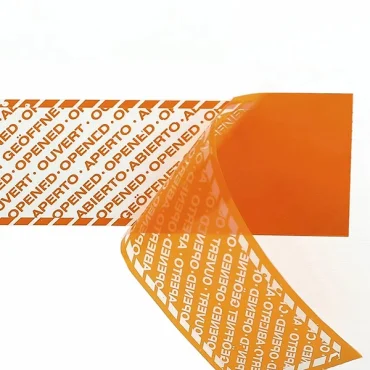
Tamper Proof Safety Labels Combines tamper evidence with safety warning text in a single label construction VOID pattern activates on any removal attempt — irreversible evidence Durable face material resists abrasion, chemicals, and UV in industrial environments Custom safety icons, warning symbols, and regulatory text incorporated into design Aggressive permanent adhesive for bonding to industrial […]
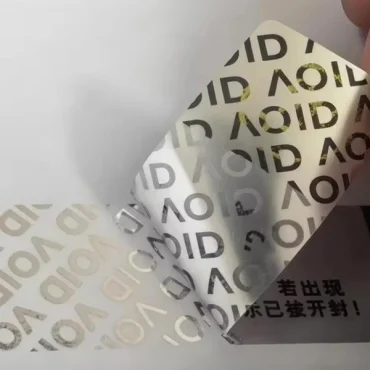
Tamper Proof Label Custom Void Security Stickers Custom VOID pattern, text, and design built to customer specification Multiple tamper evidence mechanisms: VOID transfer, ultra-destructible face, holographic Factory-printed variable data: serial numbers, barcodes, QR codes, date codes Adhesive tailored to substrate — plastic, metal, glass, paper, or painted surfaces Nrnare ut voCustom die-cut shapes including circles, […]
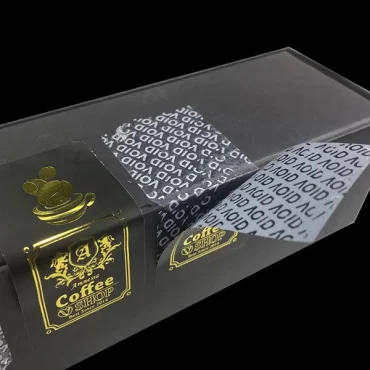
Tamper Evident Seal Labels VOID Tamper Proof Labels Dual VOID evidence: message transferred to substrate and retained on label face Permanent evidence of tamper — VOID mark on substrate cannot be erased or hidden Available in silver, white, and transparent PET face material Strong permanent adhesive bonds to a wide range of product and packaging […]
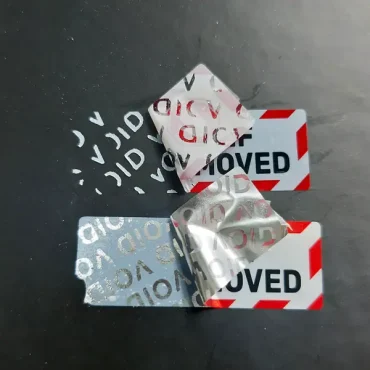
Custom Sticker Security Tamper Seal Labels Fully customisable: size, shape, colour, VOID message, and print content VOID pattern revealed on label and substrate surface upon any removal attempt Multiple face material options: PET film, ultra-destructible vinyl, holographic PET Adhesive options matched to substrate: paper/cardboard, plastic, glass, metal Factory printing: logos, text, sequential numbers, barcodes, QR […]
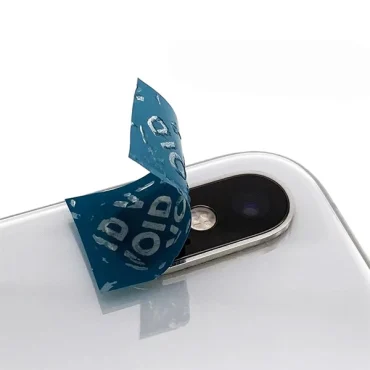
Camera Tamper Proof Labels Non-residue Security Stickers Reveals tampering immediately upon any removal attempt Non-residue adhesive leaves no sticky deposit on camera lens glass or housing plastics Ultra-destructible or VOID-pattern face material prevents reapplication after removal Printed with “VOID” or custom security pattern revealed on both label and substrate Compatible with camera body plastics, glass, […]
Key Material Properties for Tamper Proof Labels
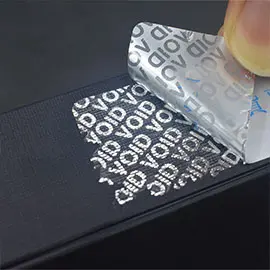
Common Tamper Proof Label Applications
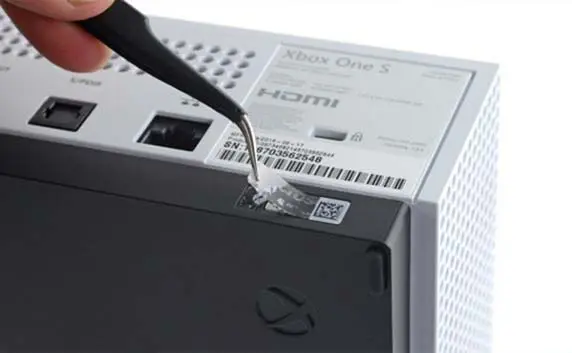
Electronics manufacturers commonly apply small VOID labels over enclosure screws, access panels, or seams. These labels are designed to reveal a hidden message or destruct upon removal.
Typical constructions include silver polyester with a permanent acrylic adhesive and tamper-evident release layer. The label must survive handling, moderate heat, and cleaning exposure while remaining difficult to remove intact.
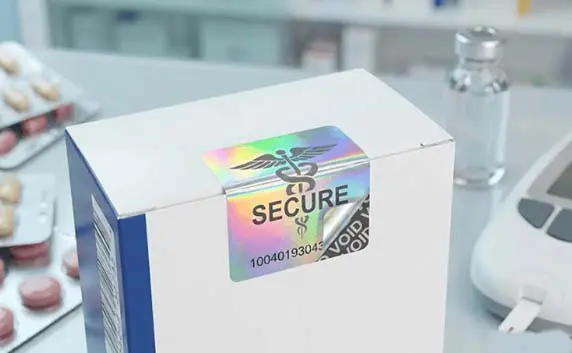
Tamper proof seals are widely used on pharmaceutical cartons and healthcare packaging to indicate whether a package has been opened before use.
These labels often use destructible film or tamper-evident paper constructions with aggressive adhesives compatible with coated cartons and folding boxes. Materials may also require compatibility with thermal transfer or flexographic printing systems used in serialized packaging lines.
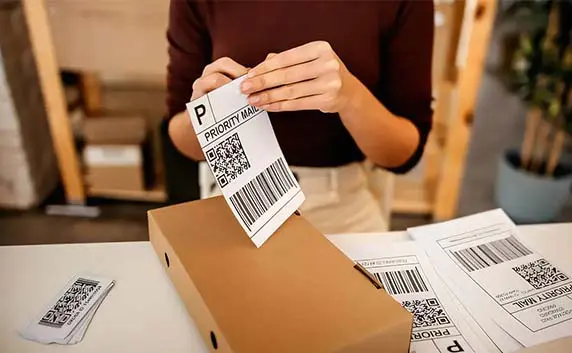
Tamper-evident labels are commonly used on shipping cartons, reusable totes, and transport containers to indicate chain-of-custody integrity during transit.
Paper VOID materials and destructible films are frequently selected depending on environmental exposure. Logistics environments require labels that remain intact through vibration, humidity, and handling stress but permanently indicate opening attempts.

Medical devices often use tamper proof labels to secure battery compartments, calibration areas, or sterile-access points.
These labels may require chemical resistance against disinfectants and compatibility with sterilization procedures. Polyester facestocks with medical-grade acrylic adhesives are commonly used for dimensional stability and long-term legibility.
Regulatory & Compliance Considerations
Tamper proof label requirements vary significantly by industry, application, and geographic market. Material selection should align with both environmental performance and applicable compliance expectations.
UL 969: Commonly referenced for marking and labeling systems used on electronic equipment and industrial products. Evaluates permanence, adhesion, and legibility under environmental exposure.
RoHS: Restricts hazardous substances in electrical and electronic products. Label constructions used in electronics may require RoHS-compliant components.
FDA Indirect Food Contact Guidance: May apply when tamper-evident labels are used on food or pharmaceutical packaging with indirect contact exposure considerations.
ISO 9001: Quality management systems commonly used by label manufacturers and converters to support process consistency and traceability.
ASTM Test Standards: ASTM methods are frequently used to evaluate adhesion, abrasion resistance, environmental aging, and durability characteristics.
GHS Labeling Requirements: Tamper-evident identification may be used alongside compliant hazard communication systems for chemical packaging and transport applications.
Compliance requirements depend on the final application environment and regional regulations. Buyers should verify material documentation, testing data, and certification status with the label supplier before qualification.
Frequently Asked Questions
Tamper evident labels are designed to show visible signs of removal or interference, while tamper proof is often used more broadly to describe labels intended to discourage unauthorized access.
Properly designed tamper-evident constructions are engineered to fragment, reveal a VOID pattern, or leave residue when removal is attempted under normal conditions.
Destructible vinyl, polyester film, VOID polyester, and specialty security papers are among the most commonly used facestocks for tamper-evident labeling applications.
Yes, polyester-based constructions with UV-resistant coatings and permanent acrylic adhesives are commonly used in outdoor asset tracking and equipment labeling applications.
Some adhesives are specifically formulated for low surface energy materials such as polyethylene and polypropylene, but surface testing is typically recommended before full production deployment.

