
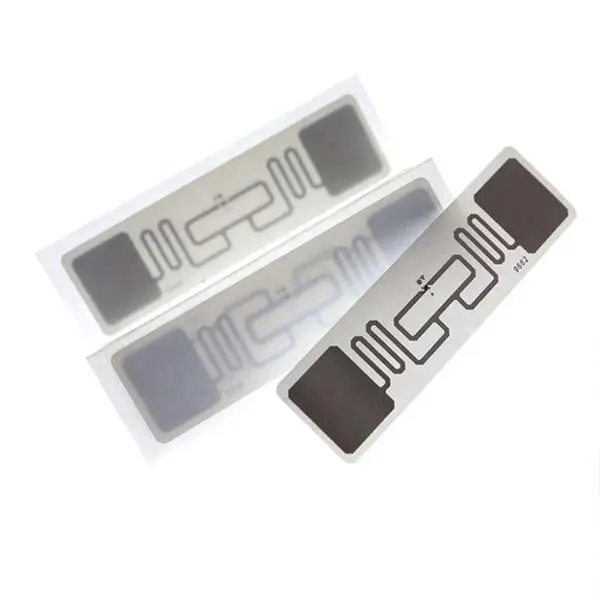
Why RFID Tags Require Specialized Materials
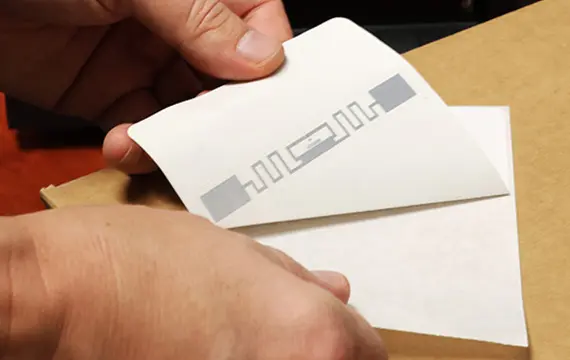
Unlike standard printed labels, RFID tags combine pressure-sensitive labeling materials with embedded electronic components. The RFID inlay contains an antenna and integrated circuit that must remain functional throughout the product’s service life. Material incompatibility can reduce read range, damage the antenna, or cause adhesive failure.
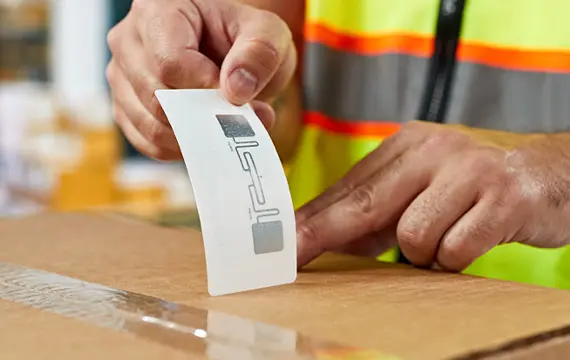
Many RFID applications involve difficult substrates such as corrugated packaging, reusable plastic totes, curved containers, powder-coated metal, shrink-wrapped pallets, or returnable transport items. Surface energy, texture, and flexibility affect adhesive wet-out and long-term attachment performance.
Environmental exposure also creates additional challenges. RFID labels may encounter:
- High humidity and condensation in cold-chain logistics
- Abrasion from conveyor systems and warehouse handling
- UV exposure during outdoor asset tracking
- Chemical contact from cleaning agents or industrial fluids
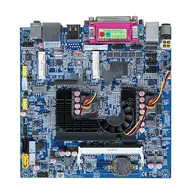
- Electrostatic discharge risks during electronics manufacturing
- Heat exposure during sterilization or industrial processing
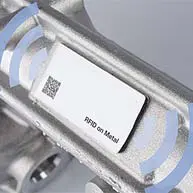
Metal and liquid surfaces create further complexity because they can interfere with RFID signal propagation. RFID labels used on metal containers, drums, tools, or electronic devices typically require specially designed on-metal constructions with spacer materials or ferrite shielding layers to maintain read performance.
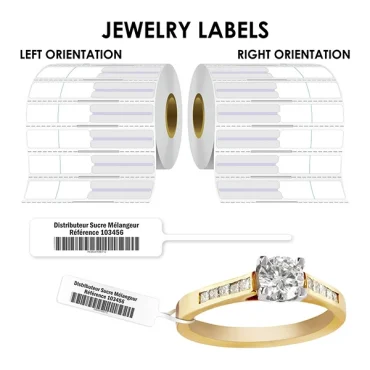
RFID Jewelry Label UHF passive inlay for jewelry items EPC Class 1 Gen 2 / ISO 18000-6C Barbell die-cut wraps rings and chains Coated paper face, thermal transfer printable Strong permanent acrylic adhesive Send Your Inquiry Now High-Accuracy RFID Labeling for Jewelry Inventory Visibility The Vizlent RFID Jewelry Label integrates a small UHF inlay into […]
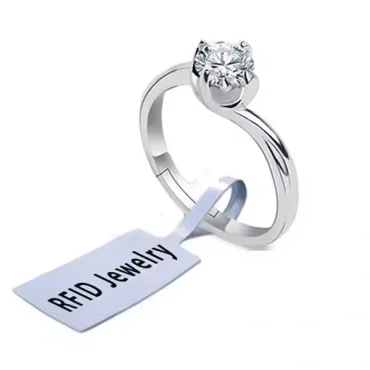
Factory Supply Cheap Printable RFID Jewelry Tags and Labels Miniature UHF inlay for jewelry EPC Class 1 Gen 2 / ISO 18000-6C Thermal transfer printable face Dumbbell / barbell die-cut shape Strong dual adhesive pads Send Your Inquiry Now Direct-Factory Printable RFID Labels for Jewelry Retail Vizlent Factory Supply Cheap Printable RFID Jewelry Tags and […]
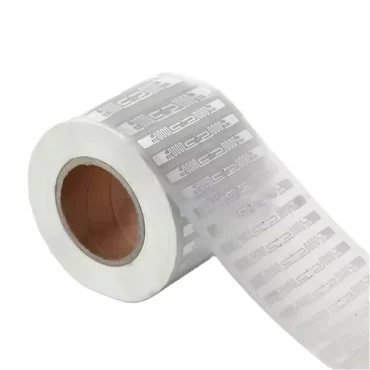
RFID Adhesive Labels For Data Management Passive UHF or HF options EPC Gen 2 or ISO 14443/15693 support Pre-encoded EPC / UID at factory Printable coated paper or PET face Permanent acrylic adhesive Send Your Inquiry Now Encoded Adhesive RFID Labels for Reliable Data Capture Vizlent RFID Adhesive Labels For Data Management are supplied in […]
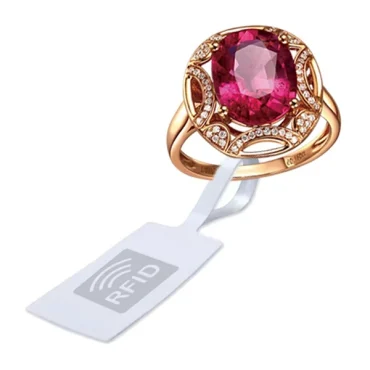
Adhesive RFID Jewelry Tag For Jewellery Management Miniature UHF inlay for small items EPC Class 1 Gen 2 / ISO 18000-6C Dual-adhesive dumbbell or barbell shape Reliable read on rings, chains, pendants Coated paper or PET face options Send Your Inquiry Now Compact UHF RFID Sticker for Jewellery Inventory Control The Vizlent Adhesive RFID Jewelry […]
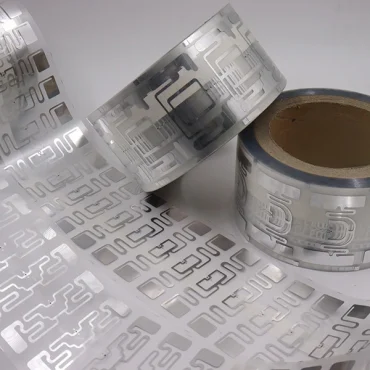
UHF RFID Label Tags Passive UHF 860 – 960 MHz operation EPC Class 1 Gen 2 / ISO 18000-6C compliant Multiple inlay antenna designs available Paper or PET face stock options Read range up to 8 meters (open air) Send Your Inquiry Now Long-Range Passive UHF Label Tags for Enterprise Tracking Vizlent UHF RFID Label […]
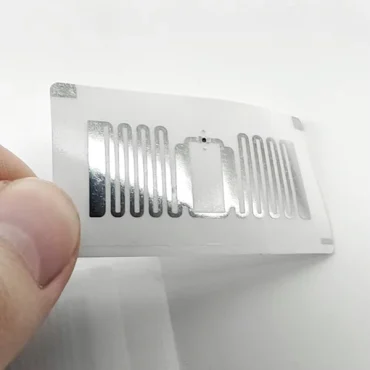
UHF RFID Label Cheap Adhesive Paper Tag EPC Class 1 Gen 2 / ISO 18000-6C protocol UHF 860 – 960 MHz frequency Coated paper face with embedded inlay Permanent acrylic adhesive backing Thermal transfer printable surface Send Your Inquiry Now Cost-Effective UHF RFID Paper Tag for Bulk Item Tracking The UHF RFID Label Cheap Adhesive […]
Key Material Properties for RFID Tags
For low-surface-energy plastics such as polyethylene or polypropylene totes, rubber-based adhesives may provide improved initial tack. In outdoor or industrial environments, buyers often evaluate peel adhesion, shear resistance, and service temperature ratings before material selection.
Materials selected for UHF RFID applications are typically engineered to minimize RF interference while maintaining printability and durability. Converters often validate performance through application-specific read testing rather than relying solely on laboratory specifications.
Polyester films are commonly selected where dimensional stability is critical because they typically maintain stable performance under varying humidity and temperature conditions.
Durable film constructions combined with thermal transfer resin ribbons or protective overlaminates are commonly specified when resistance to chemicals and abrasion is required.
Typical specifications evaluated include minimum application temperature, service temperature range, and thermal cycling resistance.
Converters often evaluate print smoothness, ribbon compatibility, ink anchorage, and static control properties during qualification testing.
Common RFID Label Applications



Regulatory & Compliance Considerations
RFID label material selection may involve several industry standards and compliance considerations depending on the application environment and end-use market.
ISO/IEC 18000: Defines air interface protocols for RFID systems and affects interoperability requirements.
EPCglobal Gen 2: Commonly used standard for UHF RFID supply chain applications.
RoHS: Restricts hazardous substances in electronic components and may apply to RFID inlays and tag construction materials.
REACH: Addresses chemical substance compliance for materials used in European markets.
FDA 21 CFR: May apply when RFID labels are used in indirect food contact or pharmaceutical environments.
ASTM D3654 and ASTM D3330: Commonly referenced for adhesive shear and peel testing methods.
ISO 15416 and ISO 15415: Barcode print quality standards frequently evaluated alongside RFID readability requirements.
Compliance requirements vary by industry and geography. Material qualification should be verified against the specific application, regulatory environment, and end-use product requirements.
Frequently Asked Questions
Yes, but standard RFID constructions often experience signal interference on metal. On-metal RFID tags typically use spacer materials or ferrite shielding to maintain read performance.
Polypropylene and polyester are commonly used because they typically provide better moisture, abrasion, and chemical resistance than paper constructions.
Many applications do. Adhesive selection depends on the substrate, temperature exposure, and required service life of the RFID label.
Testing commonly includes read-range validation, environmental aging, adhesive performance evaluation, and print durability testing under application-specific conditions.
Many RFID labels are designed for thermal transfer printing, but printer settings and media handling must be configured correctly to avoid damaging the RFID inlay.

