
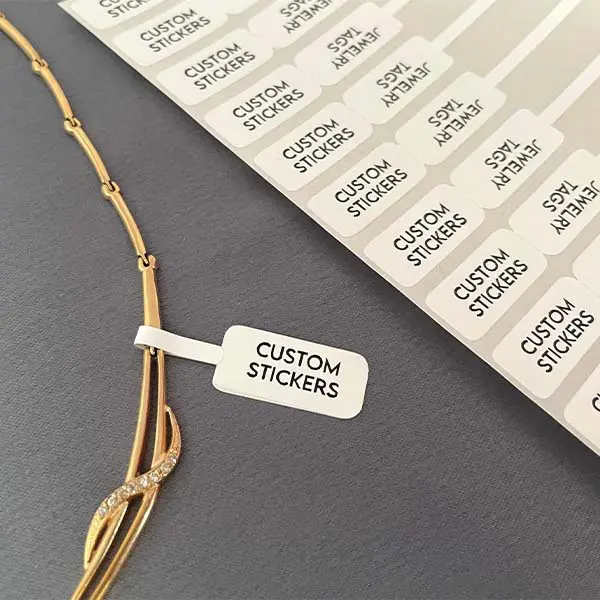
Why Jewelry Labels Require Specialized Materials
Jewelry labeling presents several technical challenges that conventional pressure-sensitive labels are not designed to handle. Most jewelry items offer limited labeling surface area, requiring compact constructions that still accommodate barcodes, SKU information, pricing, and traceability data.
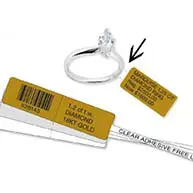
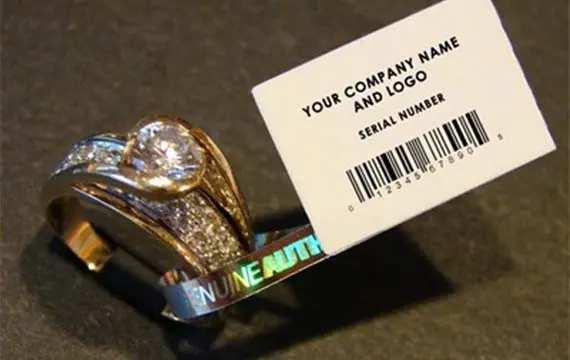
Ring labels and loop tags must remain securely attached to curved, polished, or textured surfaces without slipping during handling. Adhesives must balance removability with sufficient tack strength while avoiding residue transfer onto precious metals, plated finishes, gemstones, or watch components.
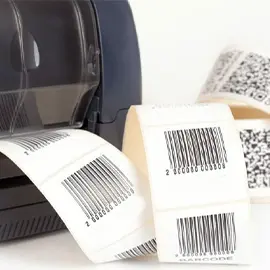
Retail jewelry environments also demand excellent print clarity because barcodes and small alphanumeric characters are commonly printed at high density. Thermal transfer print systems frequently require smooth topcoats compatible with resin or wax-resin ribbons to maintain scan reliability.
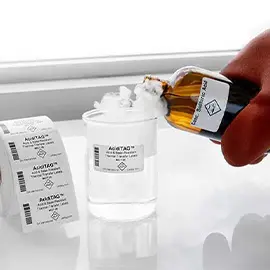
In distribution and inventory environments, labels may encounter abrasion from trays, velvet-lined displays, plastic bags, or repetitive handling. Jewelry labels also experience exposure to oils from skin contact, cleaning agents, humidity fluctuations, and UV exposure from retail lighting.
Luxury presentation requirements further influence material selection. Labels must remain discreet, lightweight, and visually clean while preserving readability throughout the product lifecycle.

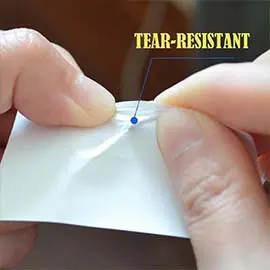
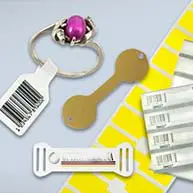
Jewelry Tags for Necklace Earring Ring Price Identify Designed for necklaces, earrings and rings Clear space for price and product codes Secure yet non-damaging attachment methods Printable or writable surfaces available Tear-resistant materials for retail handling Send Your Inquiry Now Versatile Pricing Tags Across Jewelry Categories Jewelry Tags for Necklace Earring Ring Price Identify are […]
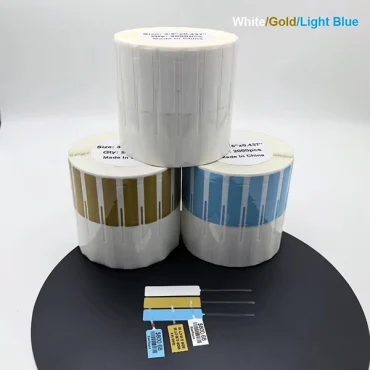
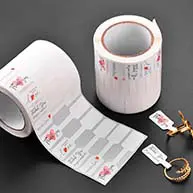
Thermal Transfer Rat Tail Jewelry Labels Optimized for thermal-transfer barcode printing Slim rat-tail design for discreet jewelry attachment High-resolution print for prices and codes Tear-resistant synthetic or coated construction Compatible with standard thermal-transfer printers Send Your Inquiry Now Durable Barcode Tags for Professional Jewelry ID Thermal Transfer Rat Tail Jewelry Labels combine a slim loopable […]
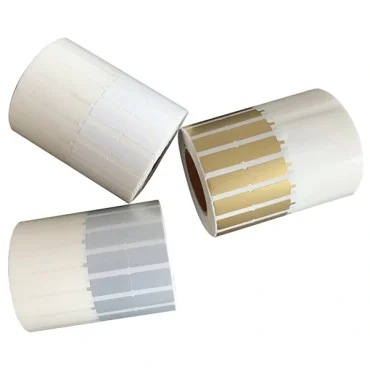
Jewelry Rat Tail Labels Printable Written Tags Slim rat-tail design for discreet attachment Printable or writable surface for prices and codes Compatible with laser and inkjet printers Tear-resistant film or paper construction Non-damaging attachment to fine jewelry Send Your Inquiry Now Slim Printable Tags for Jewelry Identification Jewelry Rat Tail Labels Printable Written Tags feature […]
Key Material Properties for Jewelry Labels
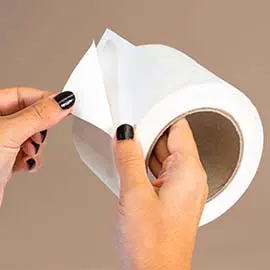
Common Jewelry Label Applications


Regulatory & Compliance Considerations
Jewelry labels may be subject to multiple regulatory and material compliance requirements depending on the application, geographic market, and product category.
RoHS: Restricts hazardous substances such as lead, mercury, and cadmium in applicable electronic jewelry or smartwatch labeling components.
REACH: European chemical compliance regulations may affect adhesive chemistries, inks, and facestock materials used in jewelry labeling systems.
California Proposition 65: Materials used in labels or packaging may require evaluation for listed chemical substances in products distributed within California.
ISO 9001: Commonly referenced in quality-managed manufacturing environments for traceability and process consistency during label production.
ANSI Barcode Standards: Barcode readability standards influence print quality requirements for retail scanning and inventory management systems.
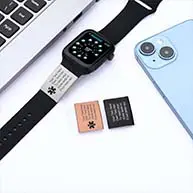
UL Recognition: May apply when jewelry labels are used on powered accessories, electronic wearables, or battery-containing products requiring component traceability.
Compliance requirements vary by market and application. Material qualification should be verified against the specific end-use environment and applicable customer specifications.
Frequently Asked Questions
Removable acrylic adhesives are commonly used because they provide stable adhesion while minimizing residue on precious metal surfaces.
Paper labels may work for short-term applications, but synthetic films are typically preferred for improved tear resistance, barcode durability, and moisture resistance.
Yes. Many jewelry labels are specifically engineered for thermal transfer printing with resin or wax-resin ribbons to achieve high-density barcode clarity.
Flag labels maximize printable area while minimizing direct adhesive contact with the jewelry surface, which helps improve readability and removability.
Typically yes. Jewelry labels often encounter hand oils, polishing agents, cleaning chemicals, and abrasion during retail handling and storage.

