
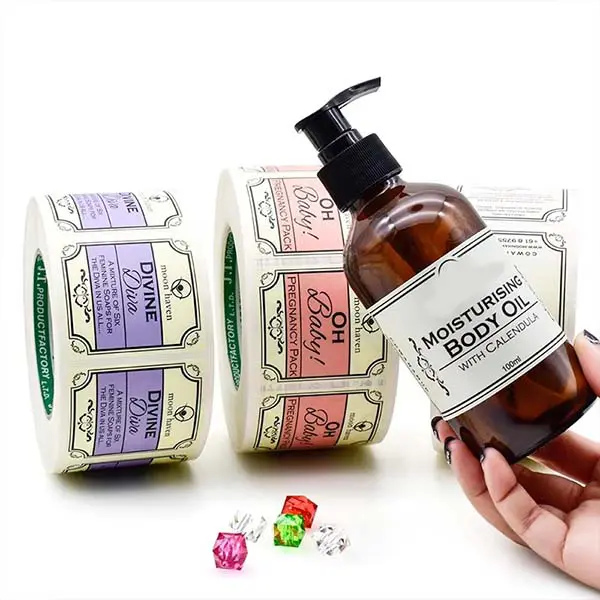
Why Home Personal Care Products Labels Require Specialized Materials
Home and personal care packaging presents several performance challenges that directly affect label material selection. Many products contain surfactants, oils, alcohols, fragrances, bleach, or solvents that can migrate into adhesives or attack printed graphics over time. Labels are also frequently exposed to water, steam, condensation, and repeated handling in bathrooms, kitchens, and laundry environments.
Flexible packaging formats further complicate performance requirements. Squeezable HDPE and PET containers expand and contract during use, placing stress on label facestocks and adhesives. Curved bottles, textured containers, and low-surface-energy plastics can reduce adhesive contact area and increase the risk of edge lift or flagging.
Retail presentation is another critical factor. Personal care brands often require high-quality graphics, tactile finishes, clear films, or metallic effects to support shelf visibility. At the same time, regulatory content such as ingredient disclosures, hazard communication, lot coding, and usage instructions must remain legible throughout the product lifecycle.
Environmental exposure also varies significantly by product category. Bathroom products may encounter prolonged humidity and water immersion, while household cleaning products may face exposure to bleach, ammonia, or alkaline chemicals. These conditions typically require filmic label materials, chemically resistant topcoats, and carefully matched adhesive systems.
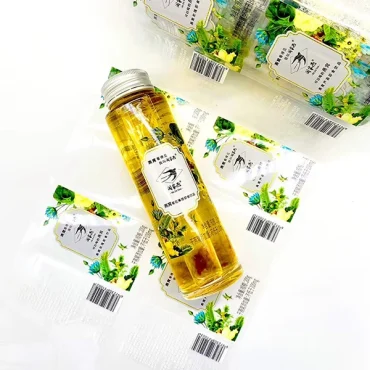
Household Cleaning Products Labels Resistant to household cleaners and disinfectants Strong permanent adhesion on plastic bottles Moisture and splash resistant constructions High-opacity print for clear instructions Available in PP, PE and coated paper Send Your Inquiry Now Chemical-Resistant Identification for Cleaners Household Cleaning Products Labels are formulated to withstand the chemical and moisture exposure associated […]
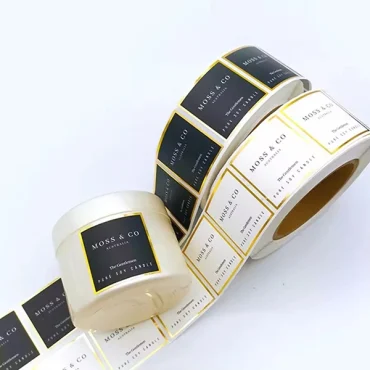
Customized Self Adhesive Labels Print Gold Foil Hot Stamping Vinyl for Bottles or Jars Gold foil hot-stamping for metallic brilliance Vinyl face stock for durability and conformability Strong self-adhesive for bottles and jars Custom print combined with foil accents Resistant to moisture and mild product contact Send Your Inquiry Now Premium Metallic Finish for Luxury […]
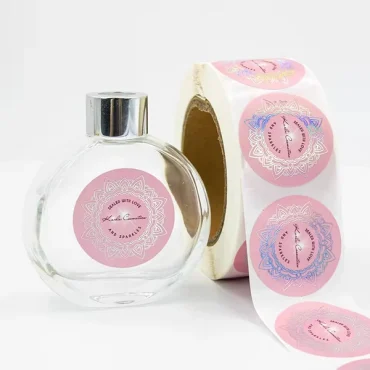
Custom Self Adhesive Cosmetics Labels High-resolution custom print for brand graphics Moisture and humidity resistant options Strong adhesion on glass and plastic containers Available in clear, white and metallic finishes Conformable to curved bottles and jars Send Your Inquiry Now Premium Identification for Beauty Packaging Custom Self Adhesive Cosmetics Labels are developed for the aesthetic […]
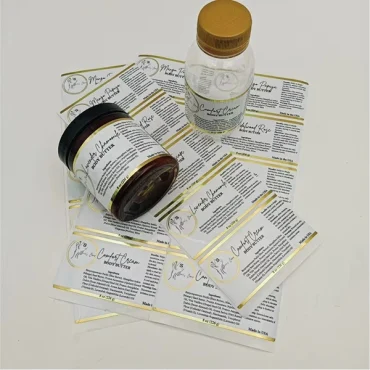
Custom Print Home Care Product Labels Full-color custom print capability Resistant to household cleaners and detergents Strong adhesion on plastic bottles and containers Moisture and splash resistant constructions Available in PP, PE and coated paper Send Your Inquiry Now Full-Color Branding with Chemical Durability Custom Print Home Care Product Labels are designed for detergents, surface […]
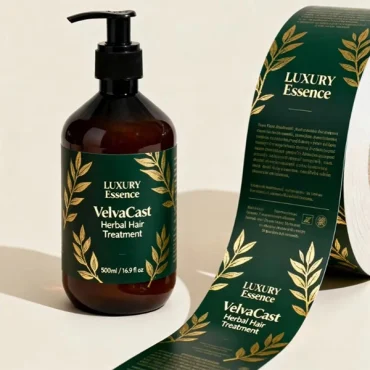
Home And Personal Care Product Labels Moisture and humidity resistant constructions Strong adhesion on plastic and glass containers High-quality flexographic or digital print Compatible with curved bottle and tube surfaces Available in paper, PP and PE face stocks Send Your Inquiry Now Durable Branding for Everyday Care Products Home And Personal Care Product Labels are […]
Key Material Properties for Home Personal Care Products Labels
-
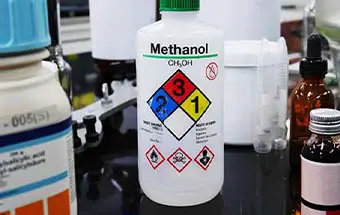
Chemical resistance measures how well the label construction withstands contact with oils, surfactants, alcohols, disinfectants, and household cleaning chemicals. Labels on disinfectants, degreasers, and bleach-containing products often require aggressive chemical durability.
Typical specifications include resistance to smearing, ink degradation, adhesive softening, and facestock distortion after chemical exposure testing. Laminates or chemically resistant topcoats are commonly used where repeated chemical contact is expected. -
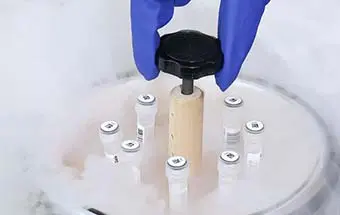
Moisture resistance refers to the label material’s ability to maintain dimensional stability, print readability, and adhesion when exposed to water, condensation, or humid environments. This is critical for shampoos, body washes, lotions, and bath products commonly stored in bathrooms or wet retail environments.
Film facestocks such as BOPP and polyethylene are typically preferred over uncoated paper for high-moisture applications. Buyers should evaluate water immersion performance, wet-out characteristics, and humidity resistance under expected storage conditions. -
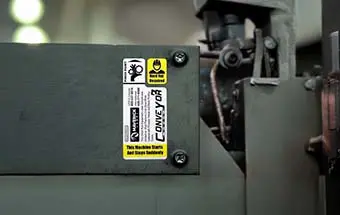
Many home and personal care containers use HDPE, LDPE, or polypropylene packaging with relatively low surface energy. Standard permanent adhesives may not adequately bond to these substrates, especially on textured or curved containers.
Adhesives designed for low-surface-energy plastics typically provide higher initial tack and long-term bond stability. Buyers should evaluate adhesion performance on the actual container material, including molded textures and curved geometries. -
Home and personal care products rely heavily on premium visual presentation. Label materials must support high-resolution printing, consistent color reproduction, and compatibility with flexographic, digital, thermal transfer, or UV ink systems.
Topcoated films are often selected to improve ink anchorage and abrasion resistance. Buyers should confirm compatibility with intended print methods, curing systems, and variable data requirements. -
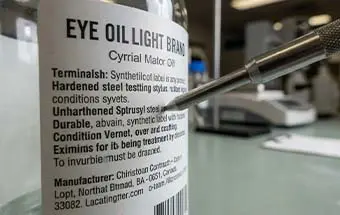
Labels frequently encounter abrasion during transportation, retail stocking, and consumer handling. Printed graphics can become damaged if the surface lacks sufficient scratch or scuff resistance.
Protective varnishes, laminates, or durable topcoats are typically used to improve resistance to rubbing, scraping, and repeated contact. This is especially important for premium cosmetic and personal care packaging where appearance directly affects brand perception.
Common Home Personal Care Products Label Applications
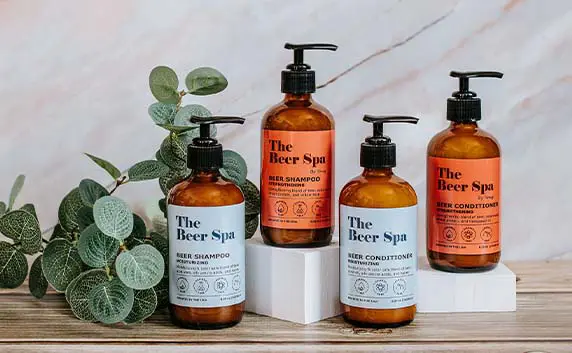
Shampoo and conditioner labels are typically applied to curved HDPE or PET bottles exposed to water, steam, oils, and repeated handling. These applications commonly use white or clear BOPP film with permanent acrylic adhesive systems designed for moisture resistance and squeezable packaging compatibility.
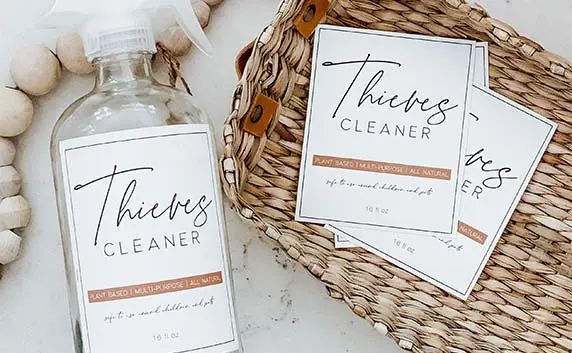
Labels used on disinfectants, degreasers, and multi-surface cleaners must tolerate chemical splashes, abrasion, and aggressive formulations. Filmic constructions with chemical-resistant laminates are commonly used to maintain legibility and adhesion throughout product use.
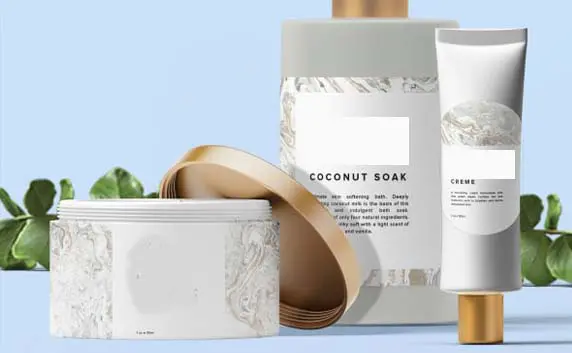
Cosmetic containers often prioritize shelf appearance alongside durability. Labels may include matte films, metallic facestocks, or clear-on-clear constructions for premium branding. Materials must remain stable when exposed to oils, lotions, and frequent consumer contact.
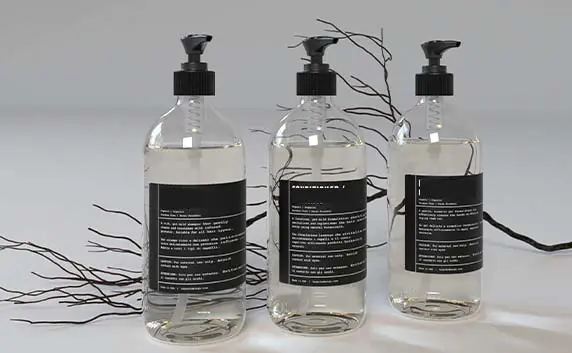
Body wash and liquid soap containers typically require flexible label materials that conform to squeezable packaging. Polyethylene film facestocks are commonly selected where high flexibility and resistance to bathroom humidity are required.
Regulatory & Compliance Considerations
Frequently Asked Questions
White or clear BOPP film with permanent acrylic adhesive is commonly used because it resists moisture, conforms well to curved bottles, and supports high-quality graphics.
HDPE has low surface energy, which can reduce adhesive bonding. Specialized adhesives designed for low-surface-energy plastics are typically required for reliable adhesion.
Paper labels may work for dry-use products, but film materials are generally preferred where moisture, oils, or repeated handling are expected.
Flexographic and digital printing are widely used because they support high-resolution graphics, variable data, and compatibility with film label constructions.
Many cleaner products benefit from laminates or chemical-resistant topcoats to protect printed information from bleach, alcohol, or solvent exposure during use.

