
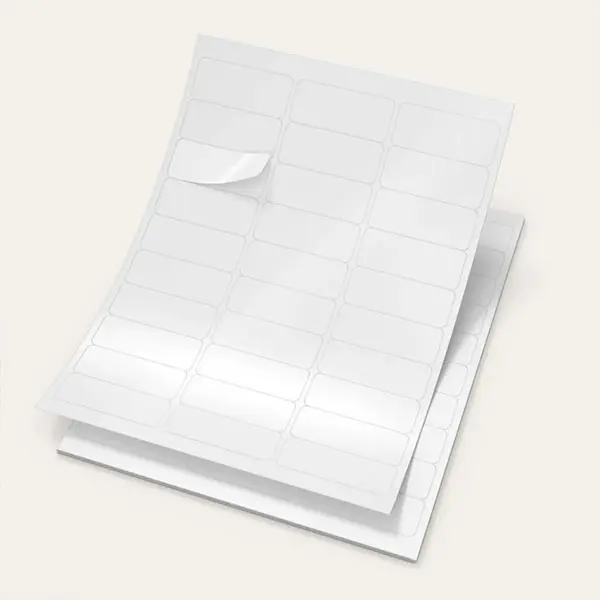
Why Blank Labels Require Specialized Materials
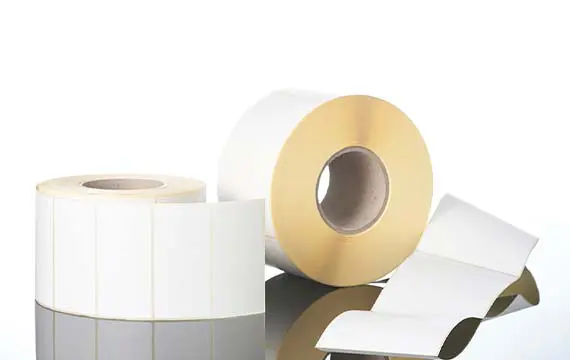
Blank labels are often expected to perform in highly variable operating conditions because the same converting platform may be used for shipping labels, barcode tracking, compliance identification, asset management, or product packaging. Standard paper facestocks and general-purpose adhesives may fail when exposed to cold-chain logistics, industrial chemicals, textured substrates, or long-term outdoor storage.
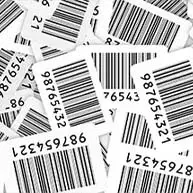
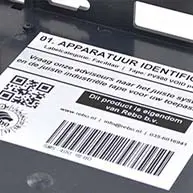
Many industrial applications require reliable barcode readability throughout the product lifecycle. Smudging, ribbon incompatibility, adhesive edge lift, or facestock distortion can lead to scanning failures, inventory inaccuracies, or regulatory non-compliance.
Surface energy is another major consideration. Blank labels may be applied to corrugated cartons, polyethylene film, powder-coated metal, glass, stainless steel, drums, or reusable plastic totes. Each surface requires different adhesive chemistry and coat weight for reliable anchorage.
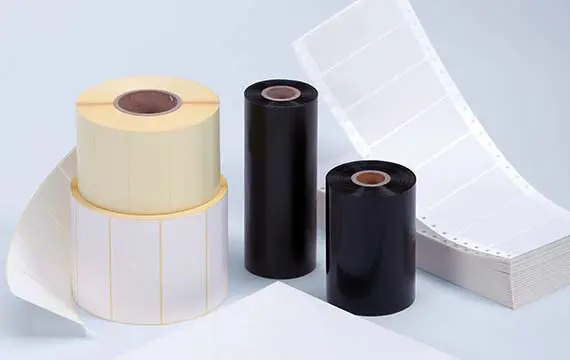
Print technology compatibility also affects material construction. Direct thermal labels typically require heat-sensitive topcoats, while thermal transfer labels depend on ribbon compatibility and surface smoothness for image durability. Laser-printable sheets require heat-resistant liners and dimensional stability during high-temperature printing.
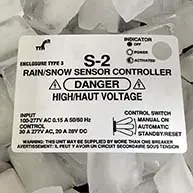
In regulated industries such as healthcare, food packaging, chemical manufacturing, and electronics, label materials may also need to comply with standards related to traceability, migration, durability, hazardous communication, or environmental restrictions.
Key Material Properties for Blank Labels
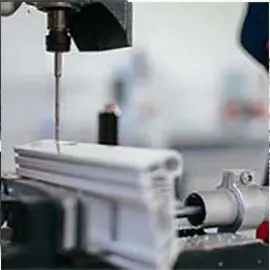
For thermal transfer applications, buyers typically evaluate ribbon compatibility, print density, edge definition, and smear resistance. Topcoated papers and films are commonly used when labels require higher abrasion or moisture resistance.
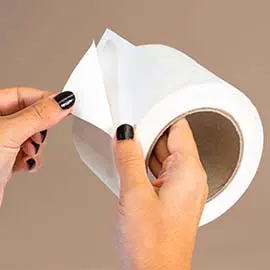
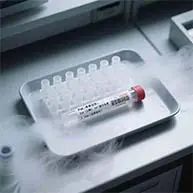
Permanent acrylic adhesives are commonly selected for long-term identification, while removable adhesives are used for temporary inventory tracking or reusable containers. For cold-chain applications, buyers typically look for freezer-grade adhesives capable of application at temperatures as low as -20°C to -10°C depending on the formulation.
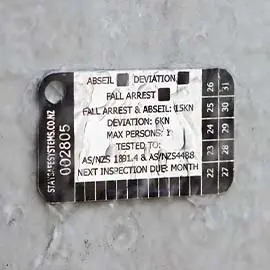
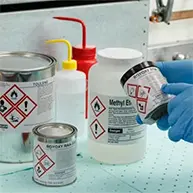
Polypropylene and polyester facestocks are typically used where resistance to water, solvents, or aggressive cleaners is required. Chemical drum labels often require BS 5609-compliant constructions for marine and chemical exposure durability.
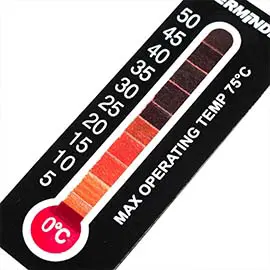
Polyester films are commonly selected for elevated temperature environments because they typically offer dimensional stability and heat resistance exceeding 100°C depending on the adhesive system. Direct thermal materials, by contrast, may darken unintentionally when exposed to excessive heat.
Common Blank Label Applications

Regulatory & Compliance Considerations
Blank label materials may need to comply with multiple regulatory or performance standards depending on the application environment and industry sector.
UL 969: Commonly referenced for durable labeling and marking systems used in electronics, industrial equipment, and appliance identification.
RoHS: Restricts certain hazardous substances in electrical and electronic products, influencing material and coating selection for electronics labeling.
REACH: European regulation governing chemical substances used in adhesives, coatings, and label components.
GHS: Global Harmonized System requirements affect chemical drum and hazardous material labeling for hazard communication consistency.
FDA 21 CFR: Relevant for indirect food-contact packaging applications where adhesive or facestock composition may require evaluation.
Compliance requirements vary by geography, industry, and end-use application. Material qualification should be validated against the specific regulatory environment of the finished product.
Frequently Asked Questions
Direct thermal labels use heat-sensitive coatings and do not require ribbons, while thermal transfer labels use ribbons to create more durable and abrasion-resistant printed images.
Freezer applications typically use freezer-grade paper or polypropylene films combined with cold-temperature acrylic adhesives designed for low-temperature application and storage.
Standard paper labels are usually not recommended for harsh chemical exposure because moisture and solvents can damage the facestock and printed information.
Permanent acrylic adhesives are widely used for corrugated packaging because they generally provide reliable adhesion across varying warehouse and shipping conditions.
Barcode durability is typically evaluated through abrasion, chemical resistance, environmental exposure, and scan verification testing under expected operating conditions.

