
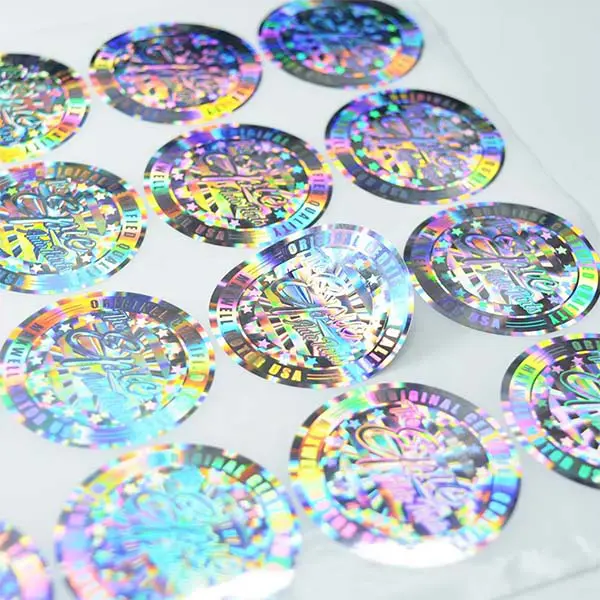
Why Anti Counterfeiting Labels Require Specialized Materials
Standard pressure-sensitive labels are often inadequate for anti-counterfeit applications because they can be removed cleanly, duplicated using commercial printing methods, or degraded during supply chain handling. Anti counterfeiting labels typically combine multiple security technologies with engineered adhesives and facestocks to improve authentication reliability and tamper visibility.
These labels are commonly exposed to abrasion, moisture, oils, UV light, cleaning chemicals, temperature cycling, and repeated handling. In pharmaceutical and healthcare applications, labels may also require resistance to alcohol wipes and sterilization environments. Electronics and industrial equipment labels often encounter heat exposure, solvents, and textured low-surface-energy plastics.
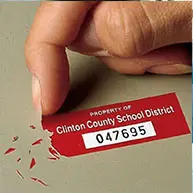
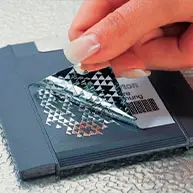
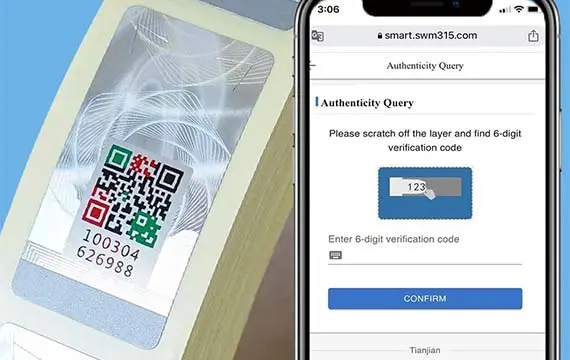
Many anti-counterfeit programs also depend on variable data printing, serialized QR codes, RFID integration, holographic layers, destructible films, or void-pattern adhesives. Materials must maintain scan readability and adhesion performance throughout the intended service life while preventing unauthorized removal or duplication.
Key Material Properties for Anti Counterfeiting Labels
Common Anti Counterfeiting Label Applications
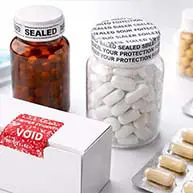
Applied to medicine cartons, bottles, blister packs, and secondary packaging, these labels help verify product authenticity and detect tampering. They typically require permanent adhesives, serialized printing compatibility, and resistance to moisture and handling throughout distribution. Polyester films with tamper-evident adhesive systems are commonly used.
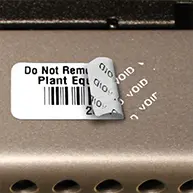
Used on computers, mobile devices, networking equipment, and industrial electronics, warranty labels are designed to fracture or leave VOID patterns if removed. These labels often encounter elevated temperatures and textured plastic housings, requiring aggressive acrylic adhesives and durable facestocks.
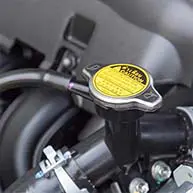
Counterfeit automotive and industrial replacement parts present safety and liability concerns. Authentication labels on components and packaging must survive oil exposure, abrasion, and temperature fluctuations. Polyester or polyimide labels with chemical-resistant coatings are often selected for these environments.
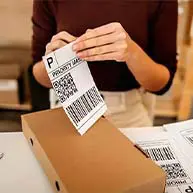
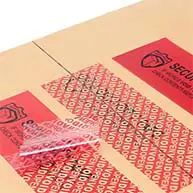
Shipping cartons and high-value inventory packaging often use tamper-evident seals to indicate unauthorized opening during transit. These labels are commonly designed with VOID-release adhesives or destructible facestocks to prevent resealing after tampering.
Regulatory & Compliance Considerations
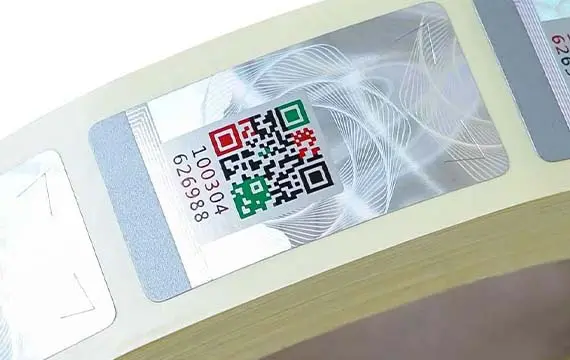
Anti counterfeiting labels may need to comply with industry-specific regulations depending on the product category and distribution region. Material selection should be evaluated alongside application-specific legal and operational requirements.
FDA 21 CFR Part 11 and DSCSA: Pharmaceutical serialization and traceability systems may require durable variable data printing and secure product identification methods.
ISO 12931: Provides guidance for authentication solutions used to combat counterfeiting in products and packaging.
UL 969: Commonly referenced for marking and labeling systems requiring permanence, legibility, and adhesion durability under defined environmental conditions.
RoHS and REACH: Important for electronics and exported products where restricted substances and chemical content requirements apply.
ASTM Test Standards: ASTM methods are frequently used to evaluate adhesion, abrasion resistance, chemical resistance, and environmental durability.
GS1 Standards: Widely used for barcode structure, serialization, and supply chain traceability requirements in retail and healthcare applications.
Compliance requirements vary by industry and geography. Material qualification should be validated under actual application conditions before full-scale deployment.
Frequently Asked Questions
Tamper-evident labels show visible signs of removal or opening, while counterfeit-resistant labels include authentication features designed to make duplication more difficult.
Polyester, destructible vinyl, polypropylene, holographic foils, and polyimide films are commonly used depending on durability, tamper evidence, and environmental exposure requirements.
Yes. Many anti-counterfeit programs use serialized QR codes, barcodes, or variable data printing to support traceability and product authentication workflows.
Outdoor applications typically require UV-stable facestocks, weather-resistant adhesives, and durable print protection to maintain readability and adhesion during prolonged exposure.
VOID labels are commonly evaluated for adhesion performance, residue transfer consistency, environmental durability, and tamper visibility after attempted removal.

