
Why Water Soluble Paper Labels Require Specialized Materials
Standard paper labels and permanent acrylic adhesives are designed for long-term adhesion, which creates problems in environments where containers, trays, glassware, or transport assets are reused repeatedly. Adhesive residue can accumulate on plastic totes, stainless steel vessels, laboratory bottles, and food storage containers, increasing cleaning time and creating contamination risks.
Water soluble paper labels use specially engineered face materials and wash-away adhesives that typically dissolve or disperse during warm or cold water cleaning cycles. In many operations, labels must remain intact during refrigerated storage, handling, or transportation, yet release completely during sanitation.
Application conditions can vary significantly depending on the industry:
- Laboratories may expose labels to refrigeration, condensation, autoclave preparation areas, and chemical splashes.
- Food processing environments often involve high-moisture washdowns, sanitizers, and reusable food containers.
- Logistics systems may require temporary barcode tracking on reusable plastic totes or pallets.
- Hospital and pharmaceutical operations frequently need removable identification labels that reduce cross-contamination risks.
- Industrial wash systems may use warm water immersion or alkaline cleaning cycles that must fully dissolve the label construction.
Because of these operating conditions, water soluble labels must balance short-term durability with controlled removability. Improper material selection can result in premature label failure during use or incomplete dissolution during cleaning.
Key Material Properties for Water Soluble Paper Labels

Controlled solubility refers to the ability of the face stock and adhesive to dissolve or disperse during a defined wash cycle while remaining functional during normal use. In reusable container systems, this prevents adhesive accumulation and reduces manual cleaning.
Buyers should look for dissolution performance data under specific conditions such as water temperature, immersion time, and agitation level. Many materials are designed to dissolve in warm water ranges typically between 20°C and 60°C depending on construction.

Water soluble paper labels are commonly printed using thermal transfer, flexographic, digital inkjet, or laser printing systems. Print durability is important because barcodes and variable data must remain legible throughout the label’s service life.
Converters and end users should verify compatibility with ribbon formulations, water-based inks, or toner systems. Some dissolvable papers may require specialized topcoats for thermal transfer barcode durability.

One of the primary reasons buyers specify water soluble labels is to eliminate adhesive residue after washing. Residual adhesive can interfere with sanitation programs, barcode scanning, or reuse cycles.
Specifications should confirm that the adhesive disperses cleanly without visible residue or filter-clogging particulate under intended wash conditions.

Some operations prioritize biodegradable or repulpable label materials to support waste reduction initiatives and reusable packaging systems. In food and laboratory environments, reducing solvent-based cleaning chemicals can also support operational sustainability goals.
Buyers may evaluate ASTM biodegradability guidance or repulpability characteristics depending on disposal and recycling requirements.
Common Water Soluble Paper Label Applications
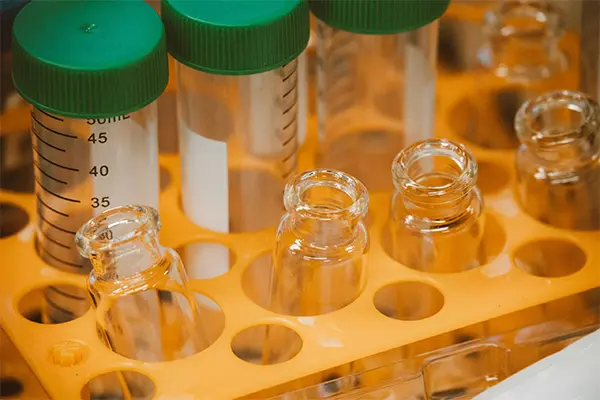
Laboratories use water soluble labels on glassware, specimen containers, reagent bottles, and temporary sample tracking systems. Labels must remain legible during refrigerated storage and routine handling but dissolve completely during cleaning cycles.
Typical constructions include dissolvable paper face stocks paired with wash-away acrylic or starch-based adhesives compatible with thermal transfer printing.

Commercial kitchens, food processors, and meal preparation facilities frequently apply temporary date coding and inventory labels to reusable food containers. Labels must tolerate refrigeration and moisture exposure while supporting rapid container turnover.
Materials are commonly selected for compatibility with food facility washdown procedures and warm-water sanitation systems.
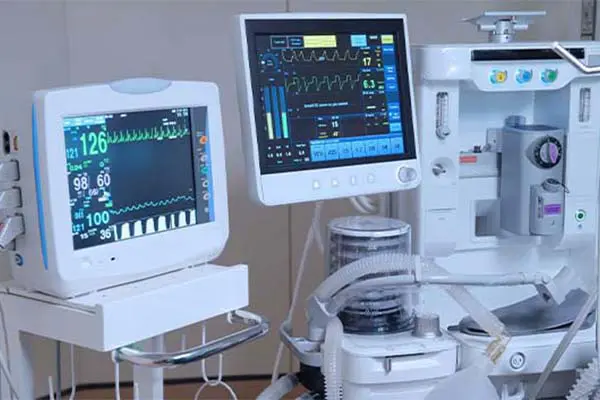
Hospitals and healthcare facilities use temporary labels on sterilization trays, specimen transport containers, and reusable medical support equipment. Residue-free removal helps reduce contamination risks and minimizes manual scraping during reprocessing.
These applications typically require compatibility with sanitation chemicals and high-humidity storage conditions.
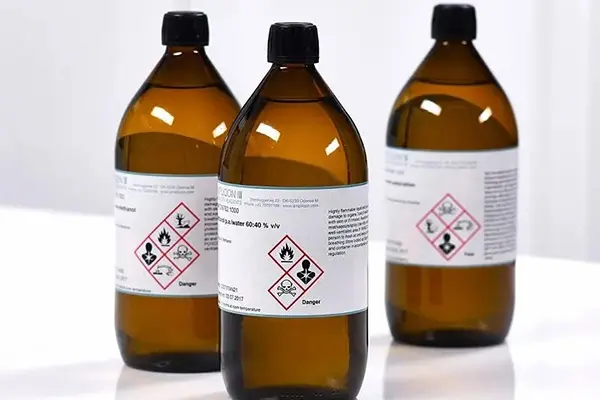
Temporary process identification labels are commonly used in chemical manufacturing and industrial blending operations where containers are reused frequently. Labels may need to survive short-term exposure to oils, mild chemicals, or damp production environments.
Converters often specify dissolvable papers with durable print coatings for variable batch information and barcode tracking.

Some reusable packaging systems use water soluble labels to simplify package refurbishment and relabeling. The labels are removed during wash cycles without damaging reusable transport packaging.
These applications typically prioritize rapid dissolution and compatibility with automated cleaning systems.
Regulatory & Compliance Considerations


Regulatory requirements for water soluble paper labels vary by industry and application. Material selection should be validated against operational and regional compliance requirements.
FDA 21 CFR: Food-contact and indirect food-contact applications may require adhesive and substrate components suitable for food processing environments.
GHS: Chemical labeling systems may require durable temporary identification for hazardous material handling and workplace communication.
ISO 15189 and laboratory traceability standards: Laboratories may require barcode readability and specimen identification reliability throughout sample handling workflows.
RoHS: Electronic and industrial applications may evaluate restricted substance compliance for label components.
ASTM testing methods: Adhesion, environmental durability, and material performance are commonly evaluated using ASTM-based test procedures.
Good Manufacturing Practices (GMP): Pharmaceutical and food operations may require documented material traceability and controlled manufacturing processes.
Compliance requirements depend on the complete application environment, printing system, cleaning chemistry, and end-use exposure conditions. Buyers should confirm compatibility with their own regulatory and validation teams before qualification.
Frequently Asked Questions
Some constructions dissolve in cold water, while others require warm water or agitation. Dissolution performance depends on the face stock, adhesive chemistry, and wash conditions.
Yes. Many water soluble label constructions are designed to maintain adhesion and print legibility in refrigerated storage before intentional wash-off removal.
Many are compatible, but ribbon selection and topcoat chemistry are important for barcode durability and print clarity in humid environments.
Properly specified wash-away adhesives are designed to disperse during cleaning cycles and typically leave minimal or no visible residue under validated wash conditions.
Common industries include laboratories, food processing, healthcare, reusable packaging logistics, pharmaceutical operations, and industrial container tracking systems.